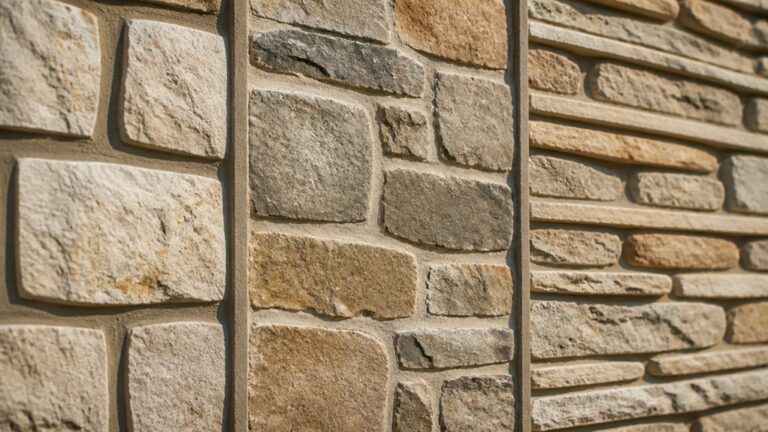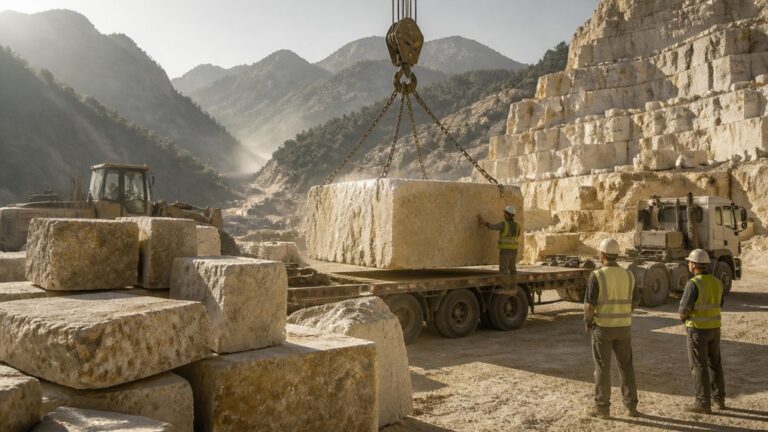
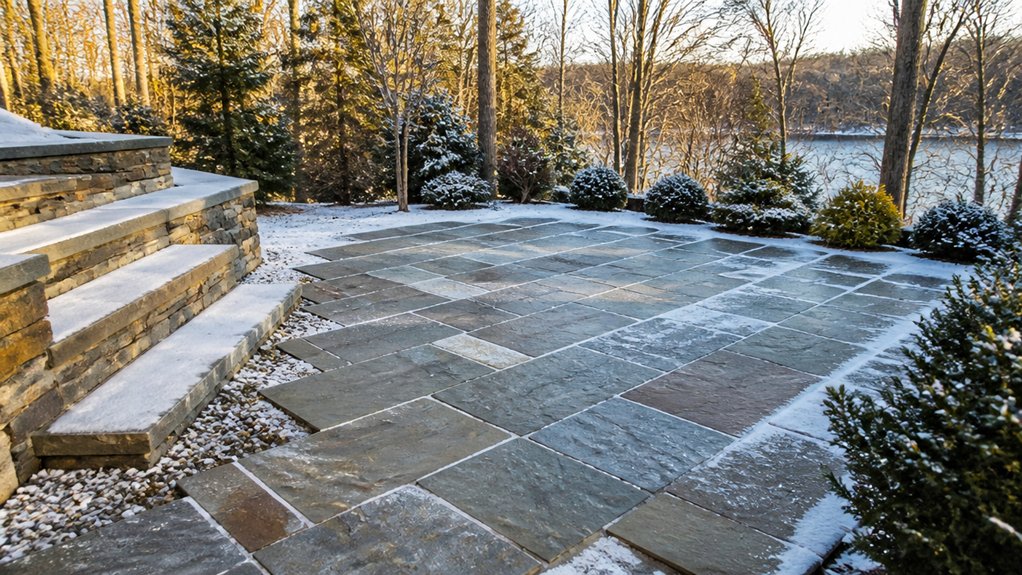
A natural stone patio can withstand repeated freeze-thaw cycles, but only when we manage water from the surface through the base. We start by selecting dense, low-absorption stone with documented cold-weather performance. Granite and some quartzites generally resist moisture well; limestone and sandstone vary more, so we check the specific stone’s absorption, durability, and finish rather than relying on the stone name alone.
In Wyoming and across the Mountain West, we also account for snow, strong winds, intense UV exposure, elevation, and local drainage conditions. A stable, well-drained base, consistent slope, properly sized joints, and careful installation help prevent water from collecting beneath pavers, where freezing can shift stones or damage joints. We plan these details before laying the first stone, then source, cut, build, and finish the work from quarry to completion. We’re the stone and marble masons at Bluestone Masonry & Construction, based in Casper, Wyoming, and serving Wyoming, Montana, Colorado, Idaho, Utah, Nebraska, and South Dakota. Depending on the project and location, permits, inspections, local codes, or licensed professionals may be required; requirements vary by state and county.
Choose Natural Stone That Handles Freezing
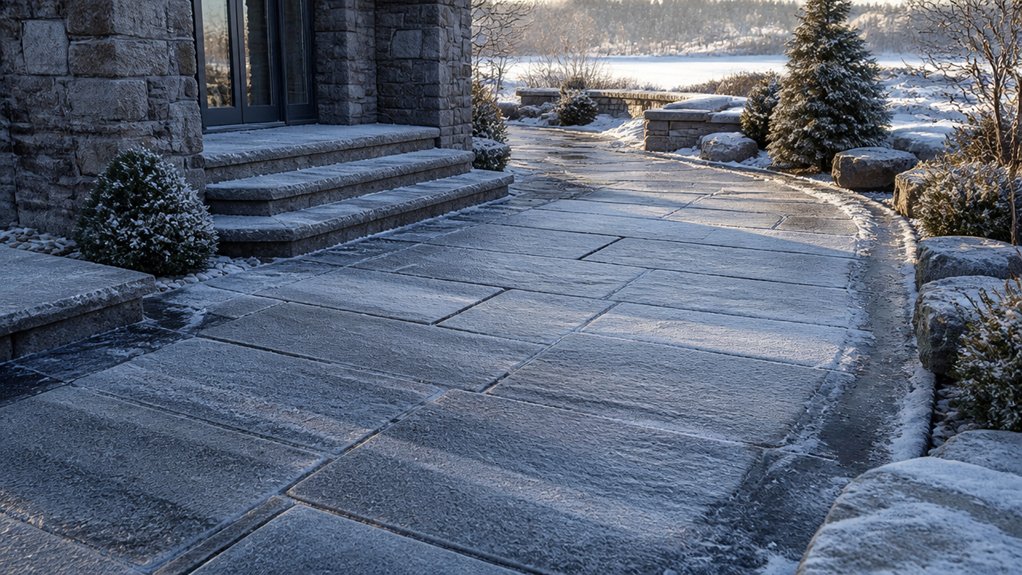
We recommend choosing stone with documented freeze-thaw performance for your climate. In Wyoming and across the Mountain West, water can enter porous stone, freeze, expand, and cause cracking or flaking. Check the supplier’s technical data for water absorption, durability, and freeze-thaw suitability rather than relying on appearance or a broad label such as “natural stone.”
Dense granite and some quartzites generally absorb less water than softer, more porous stones, but performance varies by quarry, stone selection, and finish. We inspect samples for consistent thickness, sound edges, and visible fractures, weak veins, or deep pits that can hold moisture. Proper installation matters, too: drainage, joints, and exposure all affect how stone handles winter weather. As a team working from quarry to completion, we consider the stone and its installation together so the material is suited to the project and local conditions.
Prepare a Stable Base for Your Patio
A stable patio begins with a compacted, well-drained base. In Wyoming and across the Mountain West, freeze-thaw cycles can shift paving when water collects beneath it, so drainage and compaction matter as much as the stone you choose.
We excavate to suit the soil, paving thickness, and expected loads, then remove roots, organic material, and soft spots that could settle unevenly. On weak or clay-heavy soil, geotextile fabric can help keep the soil separate from the aggregate. We add crushed, angular stone in manageable lifts and compact each one with a plate compactor. Rounded gravel is less effective because its particles don’t lock together as well.
A stable patio base starts with proper excavation, angular aggregate, and thorough compaction.
Before setting the paving, we check the base for firmness and drainage, then install a thin bedding layer suited to the stone and installation method. Bluestone, granite, and other dense paving stones can handle demanding outdoor conditions, but their thickness, surface finish, and joint details still need to suit the site. We also account for snow, wind-driven moisture, strong high-altitude UV, and the path water will take as it drains away from the patio.
A well-built base helps limit movement and makes winter maintenance easier. We take projects from quarry to completion, including sourcing and cutting stone, building, and finishing interiors. We’re stone and marble masons based in Casper, Wyoming, serving Wyoming, Montana, Colorado, Idaho, Utah, Nebraska, and South Dakota. Local permits, inspections, and code requirements vary by state and county; some projects may require licensed professionals, such as a structural engineer.
Grade and Drain Your Patio Site
Once the base is firm, we set the patio’s slope so water drains away from the house and doesn’t collect beneath the stone. We check the fall with a level and straightedge, generally aiming for about ¼ inch per foot. The right slope depends on the site, the stone, and where runoff can safely go.
- Plan drainage before we shape the base. In Wyoming and across the Mountain West, snowmelt and freeze-thaw cycles make reliable drainage especially important.
- Direct runoff to an approved outlet—not toward a foundation or neighboring property. Local permits, inspections, and drainage rules vary by state and county.
- Set the edges to guide water off the patio without creating abrupt transitions or directing runoff where it could cause erosion.
- Test the slope with a hose and correct low spots before laying stone.
Good grading reduces standing water and helps the patio dry after rain or snowmelt. We don’t rely on surface joints alone to carry runoff; the base and finished surface must work together.
Install Natural Stone Pavers to Limit Frost-Heave Damage
Once the base is graded and compacted, we set each natural stone paver on a consistent bedding layer and keep the joints even. We follow the planned slope so water drains away rather than collecting beneath the stones, where it can freeze and contribute to heaving. Seat each paver firmly with a rubber mallet, then check for rocking and correct high or low spots before laying the next course.
Choose stone suited to the site and climate. Dense, low-absorption stone generally tolerates repeated freeze-thaw cycles better than more porous stone, but performance also depends on the specific material and its finish. Avoid narrow, fragile pieces at edges and corners, where impact, shifting, and snow removal can cause damage. Keep joints wide enough for the specified jointing material and consistent across the surface. Cut stones cleanly, and leave appropriate joints rather than forcing tight contact that can lead to chipping as materials move.
For dependable footing, choose a surface texture that provides traction when wet or icy, and consider how it will respond to UV exposure and routine snow removal. Check each course for alignment and consistent cross-slope as you work. Proper drainage, jointing, and maintenance all help limit frost-heave damage in the Mountain West. We take projects from quarry to completion, including sourcing and cutting stone, building, and finishing interiors.
Protect Your Stone Patio Through Winter
Before the first freeze, we recommend clearing leaves and debris from your stone patio. Trapped moisture can freeze in joints or small cracks, putting added stress on the stone during repeated freeze-thaw cycles.
Clear leaves and debris before the first freeze to help prevent trapped moisture from stressing stone and joints.
For winter care in Wyoming and the Mountain West:
- Sweep the patio regularly. Remove snow with a plastic shovel, and avoid metal blades that can scratch softer stone or damage joints. After heavy snowfall, clear snow without piling it against walls or blocking drainage.
- Use sand for traction. Avoid rock salt and other deicers unless the stone and joint materials’ manufacturers confirm they’re compatible; some products can discolor or damage stone and mortar.
- Check that drains and nearby outlets are clear. Meltwater should flow away from the patio rather than pool on the surface or along its edges.
- Inspect the stone and joints for cracks or loose material. Arrange repairs before freezing weather so water has fewer places to enter.
Stone types respond differently to winter exposure. Dense, properly installed stone generally absorbs less water, while more porous stone may need closer attention to drainage and maintenance. The right care also depends on the finish, joint material, installation, and local exposure to snow, wind, and strong high-altitude UV.
We can assess whether a compatible sealer is appropriate for your stone and follow the manufacturer’s guidance. Sealing may reduce water absorption, but it doesn’t fix poor drainage or replace routine care. As Bluestone Masonry & Construction, we bring stone and marble masonry experience to projects across Wyoming and the surrounding region, from sourcing and cutting stone through construction and finishing.
Frequently Asked Questions
How Often Should I Reseal a Natural Stone Patio?
We recommend testing your natural stone patio each spring. Sprinkle water on the surface: if it soaks in quickly rather than beading, the stone may need resealing. As a general guide, reseal every one to three years, but the right interval depends on the stone’s porosity, the sealer, sun and wind exposure, and how much foot traffic the patio gets.
More porous stones, such as some limestones and sandstones, may need more frequent attention than denser stones. In Wyoming and the surrounding Mountain West, use a sealer rated for your stone and outdoor freeze-thaw conditions. Before applying it, make sure the patio is clean and completely dry, and follow the manufacturer’s directions. We’re the Bluestone Masonry & Construction team, stone and marble masons based in Casper, Wyoming, and we can help assess your patio and recommend a maintenance plan.
Can Outdoor Furniture Scratch or Stain Natural Stone?
Yes. Outdoor furniture can scratch softer stone and stain natural stone with rust, oil, or dye. We recommend fitting furniture with nonstaining protective feet and lifting pieces instead of dragging them across the surface. Clean spills promptly, especially on porous stones such as limestone and marble, which can absorb oils and dyes. In freeze-thaw conditions, keep furniture feet clear of trapped water and debris, and follow appropriate stone care and rust stain removal guidance. For furniture near a fire pit, plan the installation to protect the stone from heat and staining, and follow applicable local codes and manufacturer instructions.
Which Patio Plants Pair Well With Natural Stone?
Lavender, thyme, sedum, and ornamental grasses pair well with natural stone, adding color and contrasting textures without demanding extensive care. In Casper and across the Mountain West, match plants to the patio’s sun, wind, and elevation, and choose varieties suited to local winters. Keep roots and spreading stems clear of joints, and avoid planting where soil or mulch can block drainage. Good drainage matters: water trapped beside stone can freeze, expand, and loosen joints or paving.
How Do I Remove Rust Stains From Patio Stones?
For rust stains on patio stones, we recommend using a rust remover labeled safe for your specific stone. Test it on a hidden area first, then follow the product directions and scrub gently with a nylon brush. Rinse thoroughly and keep runoff away from plants and metal fixtures.
Avoid acids and general-purpose rust treatments unless the label confirms they’re suitable. Acid can etch or discolor limestone, marble and other acid-sensitive stone; even on more acid-resistant stone, it may damage the finish or joints. In Casper’s freeze-thaw climate, rinse away residue and let the patio drain properly so water doesn’t collect in joints or on the surface.
Can I Install a Fire Pit on a Natural Stone Patio?
Yes, a fire pit can work on a natural stone patio, but the stone and installation details matter. We recommend a stable, noncombustible fire pit with the clearances required by its manufacturer and local code. Use a suitable heat shield or insulated base to reduce the risk of thermal damage, and confirm that the patio can support the fire pit’s weight.
Stone responds differently to heat and moisture. Dense granite is generally more heat resistant than porous stones such as limestone or sandstone, but any stone can crack under sudden temperature changes. In Wyoming and the wider Mountain West, freeze-thaw cycles, snow, wind, and strong UV exposure also affect patio materials and finishes. Keep the fire pit clear of snow and standing water, and make sure the patio drains properly.
Before installation, check local building and fire codes, permit requirements, and the fire pit manufacturer’s safety guidance. Requirements vary by state and county. We can assess the stone, base, drainage, and clearances as part of a project, from quarry to completion.