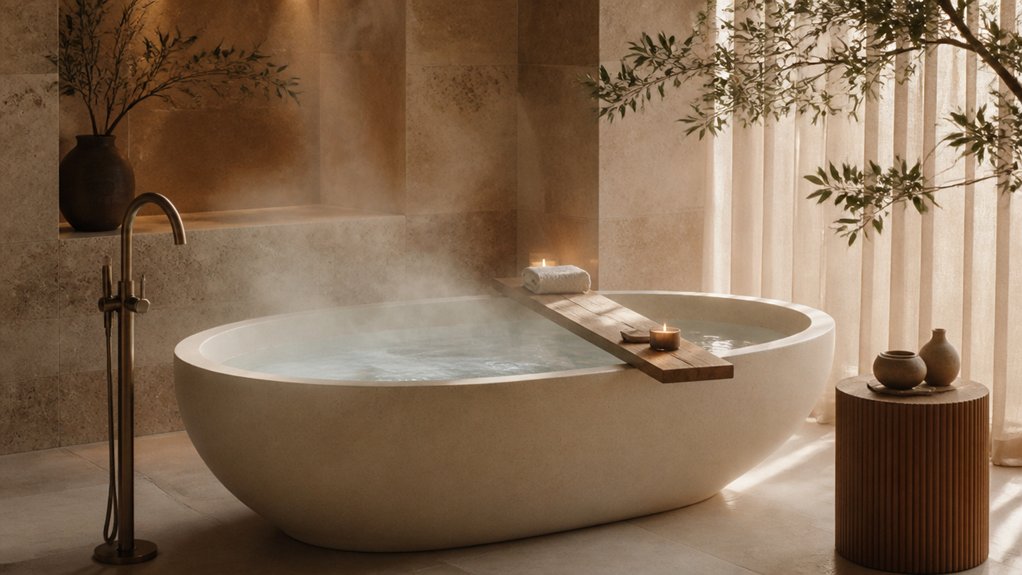
A freestanding bath can make a bathroom feel more like a private retreat, but its placement and support need to suit the room. We recommend checking clearances, entry paths, floor capacity and plumbing access before choosing a tub. In Mountain West homes, account for seasonal temperature swings and make sure the bathroom is properly insulated to help protect water lines from freezing. Compare tub materials for heat retention, weight and maintenance, then confirm that the floor can support the filled bath.
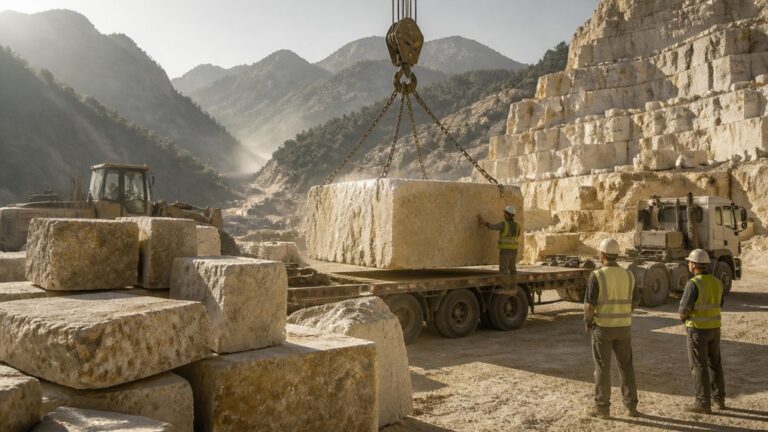
Our stone and marble work begins with careful planning, from sourcing and cutting materials to building and finishing interiors. Before settling on a style, check the plumbing requirements with a licensed professional; permits, inspections and local codes may apply, and requirements vary by state and county.
Choose a Freestanding Bath That Fits Your Space
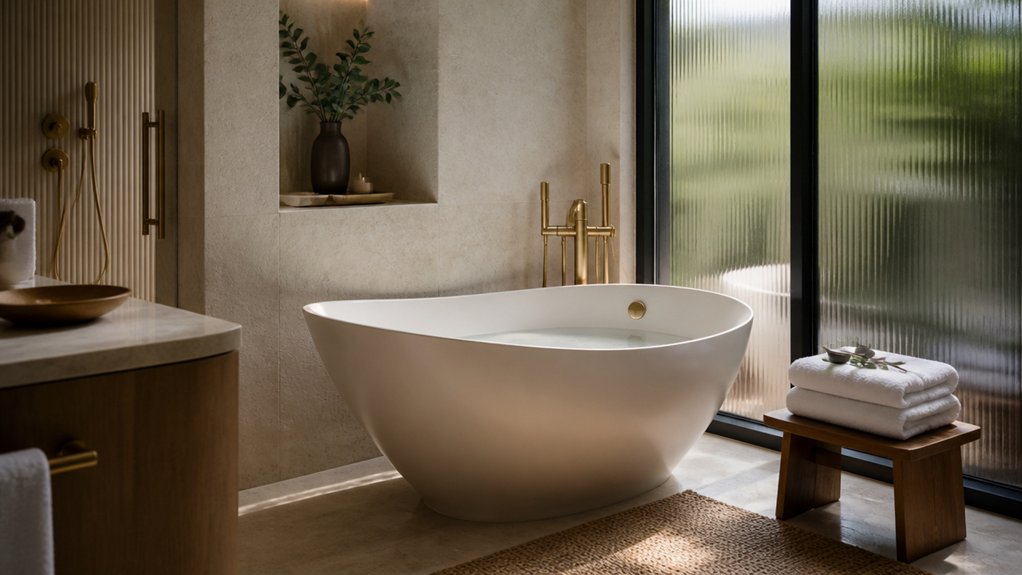
Before choosing a freestanding bath, we recommend measuring the room and checking clearances around doors, vanities, and walkways. Mark the tub’s planned footprint with painter’s tape, including space to clean around it and reach the faucet. Measure the delivery route from the entryway as well; narrow doors, stairs, and tight turns can affect whether the tub can be brought in safely.
Check the tub’s depth and water capacity against your comfort, water heater, and floor structure. A deeper basin may require more hot water and add substantial weight when filled, so have a qualified professional confirm the floor can support the tub, water, and occupants. Measure the drain and supply locations and share them with your plumber before ordering. We take projects from quarry to completion, but bath installation involves plumbing and structural work that may require licensed professionals, permits, and inspections. Requirements vary by state and county.
Compare Freestanding Bath Shapes and Materials
A freestanding bath’s shape affects both room circulation and bathing comfort. Oval tubs soften straight lines; rectangular designs suit a more geometric interior. A slipper tub supports a reclined posture, while a double-ended model lets you sit comfortably at either end.
Shape your freestanding bath around the room: oval tubs soften lines, while slipper and double-ended designs offer different ways to recline.
Before choosing, check the tub’s footprint, entry clearance, and access to plumbing and cleaning areas.
Material affects weight, heat retention, finish, and installation. Acrylic is relatively light and can help retain bathwater heat, but its surface may scratch.
Cast iron has a durable enamel finish, though its weight can require reinforced floor framing and careful delivery planning. Stone resin has a substantial feel and a matte surface; confirm the manufacturer’s care instructions and plan for safe handling during installation.
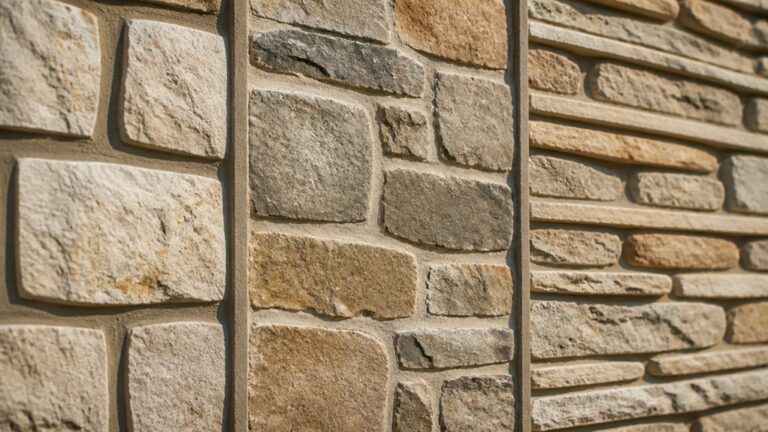
We work with stone and marble from quarry to completion, so we recommend reviewing finish samples in the room’s actual light and checking edges and surface consistency. In a cold Mountain West home, consider how the bathroom’s insulation, ventilation, and heating affect comfort and condensation; the tub material alone doesn’t determine heat loss. Confirm floor capacity and installation requirements with qualified professionals. Permits, inspections, and local codes may apply, and requirements vary by state and county.
Check Soaking Depth, Plumbing, and Installation
For a comfortable soak, check the tub’s interior soaking depth—not just its overall height. The water should reach your shoulders without requiring an awkward step over the rim. If mobility is a concern, consider a lower entry edge, a stable floor surface, and secure grab-bar placement.
Before ordering, have your contractor confirm that the drain and water supply will align with the tub’s fittings and the floor structure. Allow room for the waste pipe and future repairs. In a stone or marble bathroom, plan the tub, plumbing, and finished floor together; stone adds weight, and the supporting floor may need review by a structural engineer. We recommend having licensed professionals verify the installation, permits, inspections, and local code requirements, which vary across Wyoming and neighboring states.
Create a Spa-Like Feel With Your Bath
We recommend pairing a freestanding bath with warm, layered lighting, soft towels, and a stable surface for bath essentials. Choose a tub finish that feels comfortable and is easy to clean, and confirm that bath oils or scented soaks are compatible with the tub material. Keep the floor clear and use a slip-resistant surface near the bath, especially in winter, when wet boots and tracked-in snow can make floors slick.
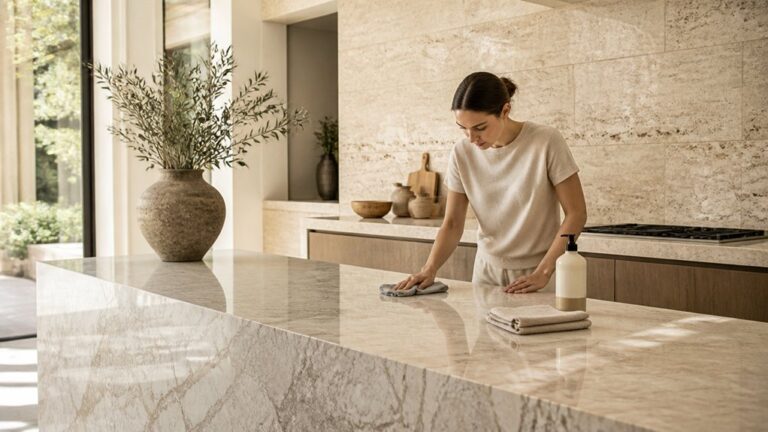
For a stone or marble surround, we select and finish the material with water exposure and routine care in mind. Natural stone varies: marble can etch from acidic cleaners and bath products, while some stones absorb moisture more readily and need appropriate sealing. Follow the stone supplier’s care guidance, use a compatible cleaner, and wipe up spills promptly. After bathing, rinse the basin and dry the fittings to limit residue and protect their finish.
Choose Lighting and Accessories for Bathing Comfort
Good lighting and well-placed accessories make a bath safer and more comfortable. Layer ambient lighting with task lighting at the mirror, and choose damp-rated fixtures suited to the room. Have a licensed electrician confirm fixture and switch locations, especially near tubs and showers, and follow local electrical codes.
- Choose a dimmable, damp-rated ceiling fixture for even light. Confirm the fixture is appropriate for its exact location; some areas require wet-rated equipment.
- Add a wall sconce near the mirror to reduce shadows. Plan its placement with the mirror, vanity and electrical box before installation.
- Install a grab bar with fasteners secured to wall framing or an approved blocking system—not just tile or stone. Plan backing before the wall is finished.
- Use a stable, nonslip bath mat beside the tub, and keep it clear of the door swing.
- Place towels on a heated rail within easy reach, with electrical connections installed by a licensed professional.
Before drilling, check for plumbing, wiring and wall framing. Tile and stone can crack if drilled with the wrong bit or technique, so use the correct tools and avoid impact drilling. In Mountain West homes, account for seasonal temperature changes and moisture when selecting finishes and hardware. Keep cords and loose items away from water, and confirm any permit or inspection requirements with your local building department.
Frequently Asked Questions
How Often Should I Clean a Freestanding Bath?
Clean your freestanding bath after each use to remove soap and mineral residue, then give it a more thorough cleaning weekly. We recommend a soft cloth and a cleaner approved for the bath’s material; abrasive pads and harsh chemicals can scratch or dull stone and other finishes. Follow the manufacturer’s care instructions, since cleaning needs vary by material and frequency of use.
Can Bath Oils or Salts Damage a Freestanding Bath?
Yes, bath oils and mineral salts can stain or dull a freestanding bath’s finish, but the risk depends on the tub material and its manufacturer’s care instructions. Rinse the tub thoroughly after each soak, wipe away oily residue, and use only a nonabrasive cleaner approved for that surface. If you’re unsure, test the cleaner in an inconspicuous spot first.
How Can I Keep Bathwater Warm for Longer?
To keep bathwater warm longer, close the bathroom door and limit drafts from windows or vents. Insulating exposed hot-water pipes can help reduce heat loss before the water reaches the tub. A fitted bath cover can also slow cooling between soaks, but remove it before bathing and follow the manufacturer’s safety instructions.
Avoid filling the tub with water hotter than is comfortable and safe for everyone using it. In a cold Mountain West home, drafts and cold surfaces can make a bathroom feel chilly; improving weather sealing may help, but keep ventilation working to manage moisture.
What Should I Do if My Bath Develops a Chip or Crack?
Stop using the bath and dry the damaged area. For a small chip, choose a repair kit approved for your tub’s material and follow the manufacturer’s preparation and curing instructions. A crack can indicate a deeper problem, so don’t patch it and keep using the bath: if it spreads, leaks, or returns after repair, have a qualified professional assess it. We work with stone and marble, and can help determine whether damage to a stone surface needs repair or replacement.
Are Freestanding Baths Suitable for Homes With Children or Older Adults?
Yes, a freestanding bath can work well in a family bathroom, but safe access and a stable installation matter. Choose a model with a nonslip base and a comfortable entry height, and make sure the floor around it has a slip-resistant finish. Install grab bars securely into suitable framing or masonry—not just into tile—and keep the route to the bath clear. Supervise children and provide older adults with assistance as needed. Have a qualified professional confirm that the floor can support the filled tub and that plumbing and installation meet local code requirements.