When we specify stone, we look beyond the rock type to its size, performance and delivery condition. Different stones respond differently to cutting, weather and use, so we match the material to your project and check each lot against the specifications. We also consider how storage and transport can affect the stone before it reaches the site.
In the Mountain West, freeze-thaw cycles, snow, wind and strong UV exposure make sound material selection and installation especially important. As stone and marble masons based in Casper, Wyoming, we take projects from quarry to completion across Wyoming, Montana, Colorado, Idaho, Utah, Nebraska and South Dakota—sourcing and cutting stone, building with it and finishing interiors. Careful quality checks at every stage help us deliver material that is ready for the work ahead.
Choose Quarry Stone for Project Specifications

Choose quarry stone that meets the project’s requirements, not just its appearance. We review the specifications for strength, abrasion resistance, water absorption, durability, and dimensional tolerances, then compare them with current test data for the stone type and grade.
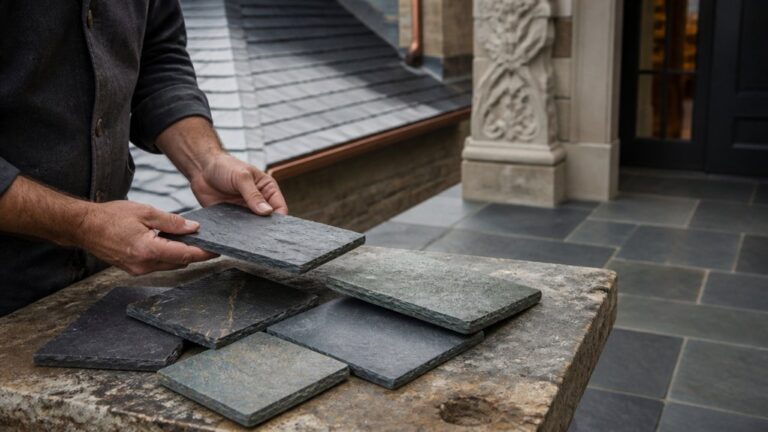
Stone behaves differently depending on its density, texture, and mineral composition. For example, a dense, low-absorption stone may be a better fit for exposed work in a freeze-thaw climate, while a stone with a more pronounced texture may suit a facing application but need careful detailing to shed water and snow. We also consider UV exposure, wind, altitude, and snow loads when planning stone selection and installation.
We confirm that the quarry can provide the required sizes, quantities, and consistent material. Before approving a source, we request current test reports and review samples for color, texture, and natural variation. From quarry to completion, we source and cut stone, build with it, and finish interiors. Permits, inspections, local codes, and review by a licensed professional such as a structural engineer may be required; requirements vary by state and county.
Control Blasting to Keep Stone Consistent
Once the stone meets the project specifications, we use controlled blasting to protect its quality during extraction. We plan each blast around the stone’s natural structure, the quarry bench, and the block sizes needed for the project. Before drilling, we map joints and fractures because they affect how the stone will break and which areas can yield sound, usable blocks.
We adjust hole spacing, burden, depth, and charge distribution to limit unwanted cracking and excess fines. Precise drilling and staged initiation help direct the blast through the rock mass rather than into the stone we intend to keep. After each blast, we inspect the material and compare its size and condition with the target. If the results show too much breakage or inconsistent blocks, we revise the drilling pattern or charge plan for the next round. This careful control helps us source stone suited to the project and carry it from quarry to completion.
Process and Grade Stone to Size
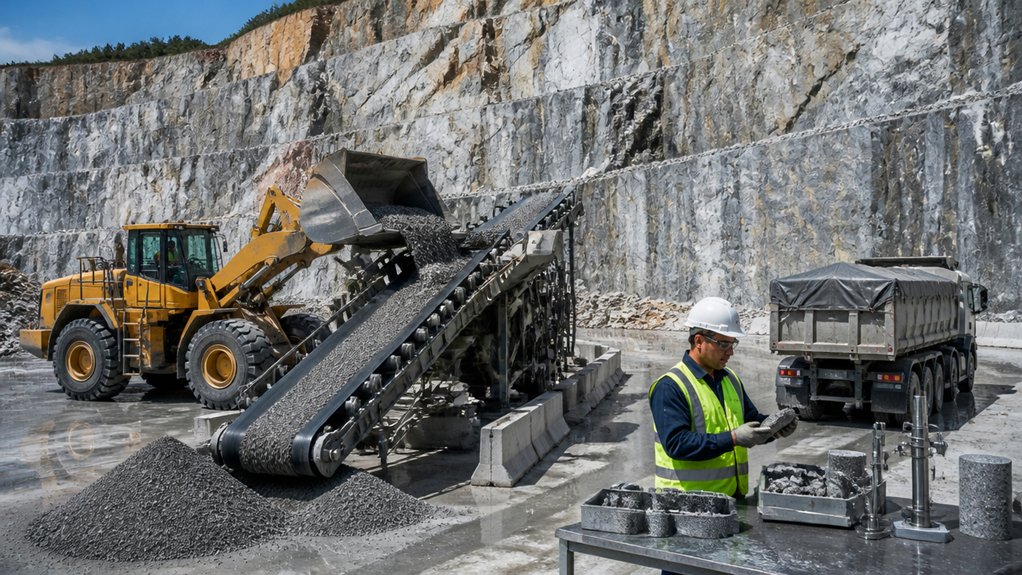
After extraction, we sort and size stone so it performs as intended in construction and finishes. We feed large pieces through primary crushers, then use secondary crushers to produce smaller aggregate. Screens separate the material into specified sizes; adjusting crusher settings and screen openings helps control particle dimensions and limit oversize pieces.
Stone type matters. Hard, dense stone such as granite generally crushes into durable aggregate, while softer or more layered stone may fracture unevenly and produce more fines. We keep each size separate during grading to avoid mixing, then move the material by conveyor to clearly labeled stockpiles with distinct loading areas.
Consistent grading matters for drainage, concrete mixes, base courses, and other applications. In Wyoming and across the Mountain West, the right aggregate can help manage water and freeze-thaw exposure, but the required size depends on the design and site conditions. We coordinate material selection with the project team and applicable specifications, from quarry sourcing through construction and finishing. Local building codes, permits, inspections, and input from licensed professionals may apply; requirements vary by state and county.
Test Quarry Stone Before Dispatch
Before we release stone from a quarry, we check representative samples against the project requirements for size, gradation and quality. Sieve analysis helps us confirm particle distribution for aggregate. When the specification calls for it, we also test properties such as strength, water absorption and durability. These results matter in the Mountain West, where freeze-thaw cycles, snow and wind can expose weaknesses in stone and aggregate.
We compare each result with the approved limits and hold any lot that doesn’t pass. Depending on the issue, we may investigate the source, reprocess the material or take new samples for retesting. We keep test records tied to the stockpile and shipment documents, so the results stay traceable from quarry to completion. We also follow safety procedures when collecting samples and operating lab equipment.
We confirm testing costs and turnaround times with the laboratory early, since both can affect a project schedule. Once the results meet the specification, we share them with the customer before dispatch.
Protect Stone During Storage and Delivery
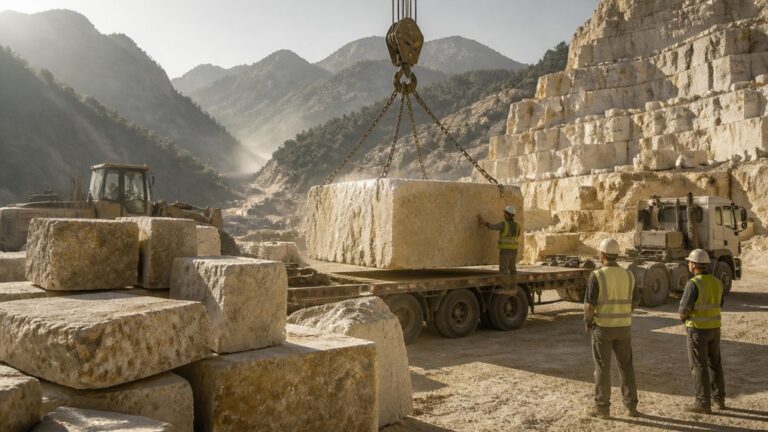
We protect stone from the time it leaves the quarry until it reaches the jobsite. We store bundles on level, well-drained supports and separate them by stone type, thickness, finish, and intended use. This matters because stone behaves differently: softer or more porous pieces can be more vulnerable to chipping, staining, and moisture, while polished surfaces can show scratches more readily.
We use spacers to limit abrasion and secure loads without overtightening straps or putting pressure on exposed edges. Covers help keep out rain, dirt, and road debris, but we allow airflow to reduce trapped moisture. In the Mountain West, that moisture can freeze and thaw during storage or transit, increasing the risk of damage. Strong winds and road vibration also make sound packaging and secure restraints essential.
We label each bundle with its grade, dimensions, finish, and destination, then inspect the packaging and restraints before dispatch. We also ask drivers to avoid sudden braking and impacts where possible. These steps help protect the stone’s edges and finish so it arrives ready for the next stage of work.
Frequently Asked Questions
How Often Should Quarry Quality Management Procedures Be Reviewed?
We review our quarry quality procedures at least once a year, and sooner when we change how we source, cut, or handle stone; find a nonconformity; or need to respond to updated regulations or customer requirements. We document each review and set audit frequency according to operational risks, quality trends, and project needs. This helps us catch issues that can affect stone performance in Mountain West conditions, including freeze-thaw exposure, snow loads, wind, and strong UV.
Which Certifications Demonstrate a Quarry’s Commitment to Responsible Operations?
We look for ISO 14001 certification for environmental management and ISO 45001 for worker health and safety, along with recognized sustainability certifications. A certificate is only useful if it applies to the quarry and the work being done. We check its scope, current validity, and quarry-specific coverage, and confirm claims through compliance audits. These checks help us make informed sourcing decisions as we take stone projects from quarry to completion.
How Do Quarries Train Employees to Maintain Quality Standards?
We train quarry employees with structured onboarding, hands-on instruction, and regular refreshers. We teach crews how to identify natural variation in stone, take representative samples, and operate cutting and handling equipment safely. We also set clear quality standards, track results, and use practical pass-or-fail checks to confirm each employee can do the work consistently. When a check reveals a gap, we provide corrective instruction before the stone moves on to building and finishing. This quarry-to-completion approach helps us maintain quality from sourcing and cutting through installation.
Who Should Customers Contact to Resolve a Quality Concern?
Contact your supplier’s customer service or quality representative first. We recommend providing your order number, stone type and finish, material specifications, delivery details, and clear photos of the concern. This gives the supplier the information needed to investigate and explain the next steps. If the issue involves damage or installation, keep the affected material available for inspection and avoid repairs until the supplier advises you.
Can Quarry Operators Provide Documentation for Sustainability Practices?
Yes. We ask quarry operators for sustainability reports, environmental permits, monitoring results, and reclamation plans. Before comparing suppliers or approving stone, we check what each document covers, the reporting period, and whether an independent party verified the information. Requirements and available records can vary by quarry and location. When a project depends on specific environmental or permitting criteria, we confirm those requirements with the relevant authorities and project professionals.