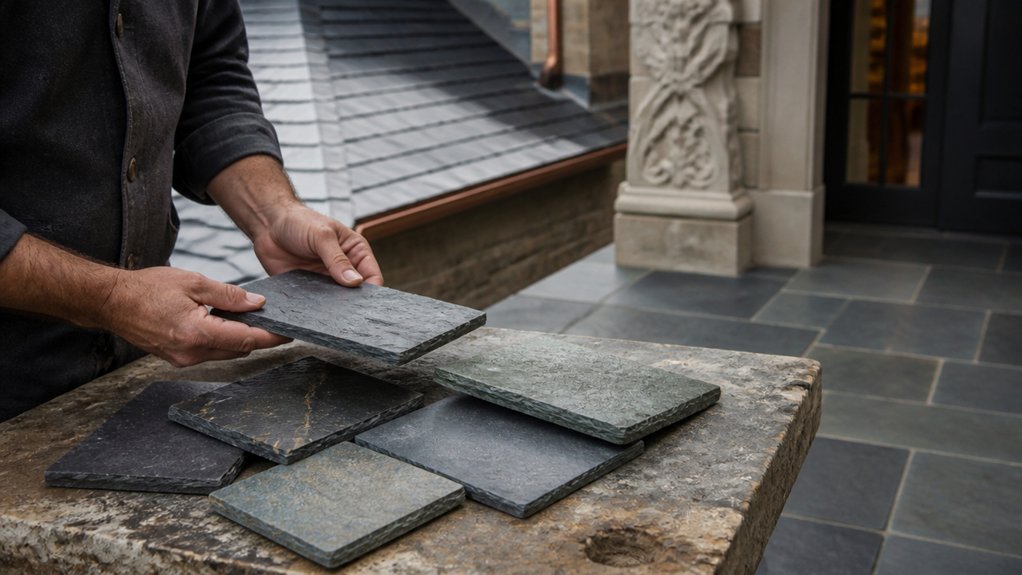
We help homeowners, architects, and builders choose slate for roofs, floors, and architectural details based on how the stone will perform in its intended setting. Slate varies in thickness, strength, surface texture, and resistance to moisture, so a roofing slate may not be suitable for a floor or exterior feature.
In the Mountain West, we also account for snow loads, wind, freeze-thaw cycles, high-altitude UV exposure, and the building’s structural support. We check representative samples for color and thickness consistency, then consider fabrication, installation, and maintenance requirements. Permits, inspections, local codes, and review by a licensed structural engineer may be required; requirements vary by state and county.
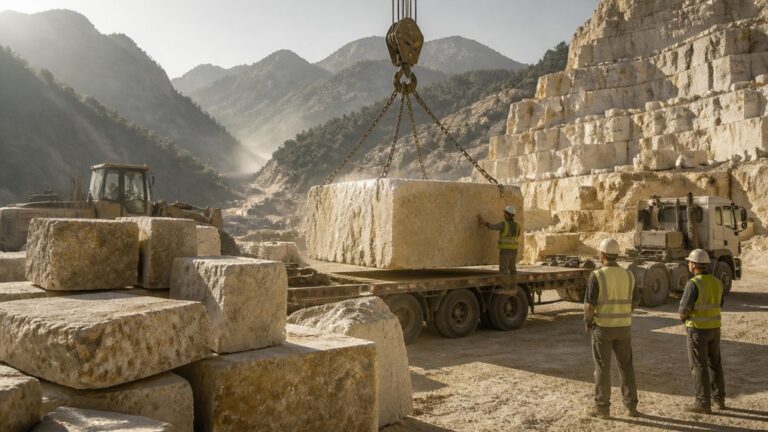
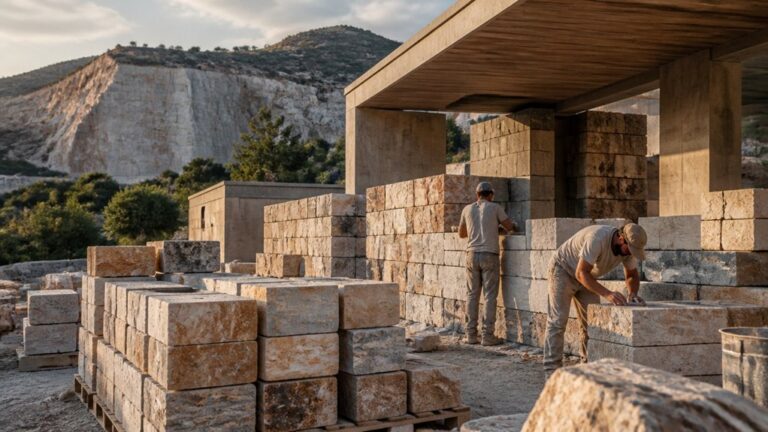
As stone and marble masons based in Casper, Wyoming, we take projects from quarry to completion, including sourcing and cutting stone, construction, and interior finishing. We serve Wyoming, Montana, Colorado, Idaho, Utah, Nebraska, and South Dakota, and help clients select slate that fits both the design and the conditions it must withstand.
Choose Slate Based on Your Project Needs
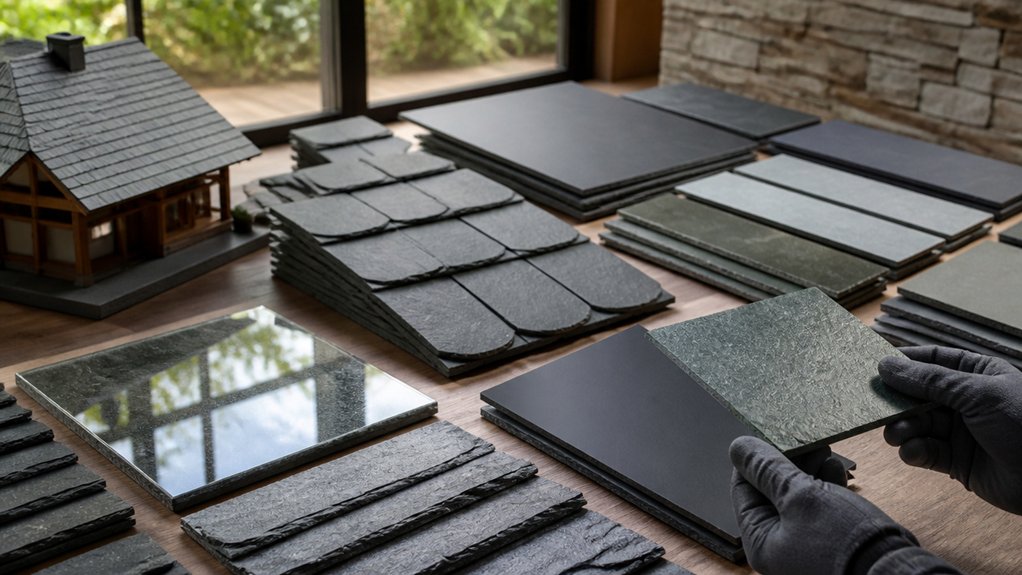
We match slate to the job, not just the appearance. For roofing, check each product’s thickness, strength, and resistance to freeze-thaw cycles. Snow load, wind exposure, roof pitch, and the capacity of the roof structure also matter in the Mountain West. Slate is durable, but it’s heavy; have a qualified professional confirm that the structure and fastening system can support the specified material.
Choose roofing slate for strength and freeze-thaw resistance, and confirm the roof can safely support its weight and fastening system.
For flooring, look for slate with consistent dimensions and a finish suited to the space. A textured finish can provide better traction, while a smoother surface may be easier to clean but more slippery when wet. Ask for samples and check how the stone looks under your lighting, including its color variation and surface texture. Sealing may help with staining, but the right product and maintenance schedule depend on the slate and its finish.
For architectural features, we assess the panel size, weight, exposure, fixing method, and support before specifying stone. Strong UV, wind, snow, and repeated freeze-thaw cycles can affect both the slate and the installation details. Substrate capacity, drainage, movement joints, edge details, and safe access all need to be planned.
We take projects from quarry to completion, sourcing and cutting stone, building, and finishing interiors. Before delivery, we confirm product tolerances with the supplier and installer and plan cuts, handling, support, and installation details—especially for complex layouts or elevated work. Permits, inspections, local codes, and review by a licensed professional, such as a structural engineer, may be required; requirements vary by state and county.
Compare Slate Grades, Colors, and Textures
We compare slate grades, colors, and textures against the demands of your project. As stone and marble masons based in Casper, Wyoming, we take work from quarry to completion—sourcing and cutting stone, building, and finishing interiors across Wyoming, Montana, Colorado, Idaho, Utah, Nebraska, and South Dakota.
Start with grade and thickness. Check that pieces are consistent in thickness and dimensions, and confirm the slate is suitable for its intended use, whether it’s flooring, a wall, or an exterior surface. A comparison set lets you assess samples side by side. For outdoor installations in the Mountain West, also confirm that the slate is appropriate for local freeze-thaw conditions and that the installation details account for snow, drainage, and exposure to wind and UV.
Color can vary between pieces and batches. Review several samples in natural and indoor light, and ask for a representative sample from the batch you plan to order. Examine the finish closely: cleft slate has a naturally uneven surface, while honed slate is smoother and more uniform. Cleft texture can provide grip, but its ridges may take more effort to clean. A honed finish is easier to wipe down, though it may be less suitable where slip resistance is important. The texture also affects how the stone looks at different scales in a room.
We help you confirm that the selected grade and finish meet the project specifications before purchase. For exterior or structural work, local codes, permits, and inspections may apply; requirements vary by state and county, and a licensed professional such as a structural engineer may be needed.
Select Weather-Resistant Slate for Roofing
We select roofing slate for the conditions it will face, not just its appearance. In Wyoming and across the Mountain West, that means checking performance in freeze-thaw cycles, heavy snow, wind-driven rain, high-altitude UV exposure, and local temperature swings.
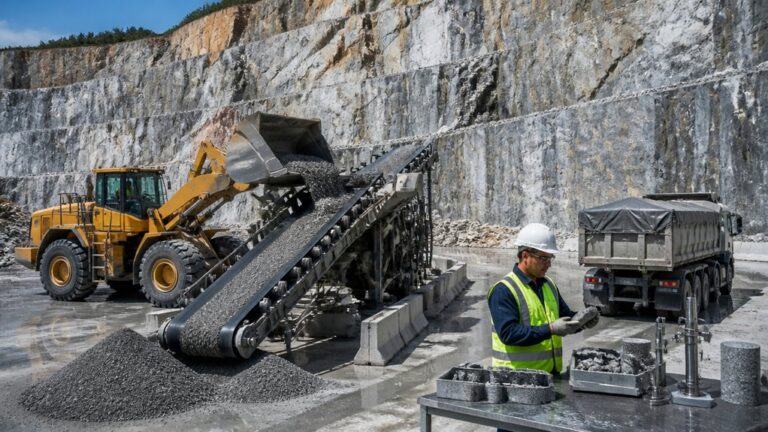
We review test data for water absorption, flexural strength, and weathering resistance. Lower water absorption can reduce the risk of freeze-thaw damage, while adequate strength helps limit breakage during cutting, installation, and storms. We also confirm the quarry’s durability classification and look for documented use in roofs exposed to similar conditions.
We assess absorption, strength, and weathering data to select slate proven for demanding roof conditions.
Slate is only one part of a reliable roof. Thickness, roof pitch, fastening method, underlayment, and the roof structure all affect service life and performance under snow loads. We match the stone to the roof assembly and applicable local codes, and recommend consulting a licensed roofing professional or structural engineer where needed. Permit and inspection requirements vary by state and county.
After severe weather, inspect flashings, fasteners, and slate pieces for cracks or slipping. Replace damaged tiles promptly and keep water-shedding details in good condition.
Choose Slate for Floors and Interior Features
Choose interior slate by matching its finish, texture, and porosity to the room’s use. In kitchens, entryways, and bathrooms, a textured finish can improve traction, especially when floors are wet from snow or tracked-in moisture. Honed slate feels smoother and is easier to wipe down, but it may show scratches or water marks more readily.
Before ordering, check the slate’s absorption, thickness, and dimensional consistency. These affect sealing, layout, and installation. We recommend confirming that the subfloor is sound and can support the stone, then following the manufacturer’s requirements for setting materials, grout, and movement joints. In Mountain West homes, account for temperature changes near exterior doors and sunlit windows; use compatible mortar and allow for movement where the installation calls for it.
Slate handles heat well, making it suitable for floors near fireplaces and in sunny rooms. It can still vary in color and texture from piece to piece, so review the material and plan the layout before installation. Seal porous slate as directed, and use a cleaner made for natural stone to protect the surface.
Match Slate Architectural Features to Your Budget
We help you plan slate features around the area to be covered, the stone’s thickness, and the work needed to cut and install it. A fireplace surround, entry threshold, or countertop can make a strong focal point without using slate on every surface.
The cost depends on the slate’s grade and availability, piece size, thickness, finish, fabrication, installation access, and expected waste. Standard sizes and straightforward cuts are generally less labor-intensive than custom profiles, intricate edges, or oversized pieces. We take projects from quarry to completion, sourcing and cutting stone, then building and finishing the installation.
Compare samples for color consistency, texture, and suitability for the intended location. Slate varies in hardness, surface character, and how it responds to moisture, so ask about grading, sealing, maintenance, and replacement availability. For outdoor work in the Mountain West, account for freeze-thaw exposure, snow, wind, and strong UV; choose stone and installation details suited to those conditions. At thresholds and other high-traffic areas, prioritize a durable, slip-conscious finish. Reserve more elaborate detailing for focal points, and confirm whether local codes, permits, inspections, or a licensed professional are required.
Frequently Asked Questions
How Can I Verify That Slate Is Ethically and Sustainably Sourced?
To verify that slate is ethically and sustainably sourced, ask us for the quarry’s location, available labor policies, environmental permits, and chain-of-custody records. We source and work with stone from quarry to completion, so we can help you review what documentation is available and identify gaps.
Look for independent certifications, recent audit reports, and quarry reclamation plans. Ask how the slate is extracted, processed, and transported, and consider the distance it travels to your project. Confirm certification claims with the certifying organization, not just the supplier. Documentation can vary by quarry, so request records for the specific slate you plan to use before purchasing.
What Maintenance Does Slate Require Over Its Lifetime?
Slate needs periodic inspection, gentle cleaning, and prompt repair. We recommend clearing leaves, needles, and other debris from the roof and drainage paths, then checking flashing, joints, and slate for cracks, loose pieces, or movement. In the Mountain West, snow, wind, strong UV exposure, and repeated freeze-thaw cycles can worsen small defects, so address them before water gets beneath the slate.
Use a soft brush and water for routine cleaning; avoid pressure washing and harsh chemicals, which can damage the stone or nearby materials. If contamination or staining occurs, have a qualified professional assess it and choose a slate-safe cleaning method. Keep quarry and product records so we can match the stone if future repairs are needed. For roof work, follow local safety requirements and consult a licensed professional when needed; building codes and inspection requirements vary by state and county.
How Do I Clean Slate Without Damaging Its Surface?
To clean slate without damaging its surface, we first sweep away grit, which can scratch the stone during mopping. Then we use warm water and a pH-neutral stone cleaner with a soft mop or cloth. Rinse with clean water and dry promptly to limit water spots and residue. Avoid vinegar and other acidic cleaners, abrasive pads, and harsh chemicals; they can dull the finish or damage sealers. Always follow the cleaner and sealer manufacturers’ instructions, and test a new product on an inconspicuous area first.
Can Damaged Slate Tiles Be Repaired or Replaced Individually?
Yes. We can often repair or replace a damaged slate tile without disturbing the entire installation. Small chips may be filled with a compatible epoxy, though a patch can remain visible and may weather differently from the surrounding slate.
For a clean replacement, the new tile should closely match the existing slate’s thickness, color, texture, and finish. We remove the grout or fasteners around the damaged piece carefully, then set and secure the replacement using methods suited to the installation. On exterior work in the Mountain West, proper drainage and freeze-thaw-resistant materials matter: water trapped beneath or around a tile can cause further damage. We can assess whether an individual repair will hold or whether nearby tiles also need attention.
What Should I Ask a Slate Supplier Before Placing an Order?
Before placing a slate order, we recommend confirming the quarry origin, grade, thickness, dimensions, finish, and expected color variation. Slate can vary from one quarry and batch to another, so request samples and ask how the delivered material will compare. Also ask about test results for water absorption, freeze-thaw performance, and slip resistance if the slate will be used outdoors or in a wet area.
Confirm that the quantity you need is in stock, along with the lead time, shipping method, breakage allowance, and availability of matching replacement material. For exterior work in Wyoming and the surrounding Mountain West, check that the slate is suitable for repeated freeze-thaw cycles, snow and wind exposure, and strong UV. Installation details—including the substrate, drainage, setting materials, and joint design—matter as much as the stone itself.
Before ordering, get the care instructions, warranty terms, and all product and delivery details in writing. We take projects from quarry to completion, sourcing and cutting stone, building, and finishing interiors. For projects that require permits, inspections, or structural review, requirements vary by state and county; consult the local building department and licensed professionals as needed.