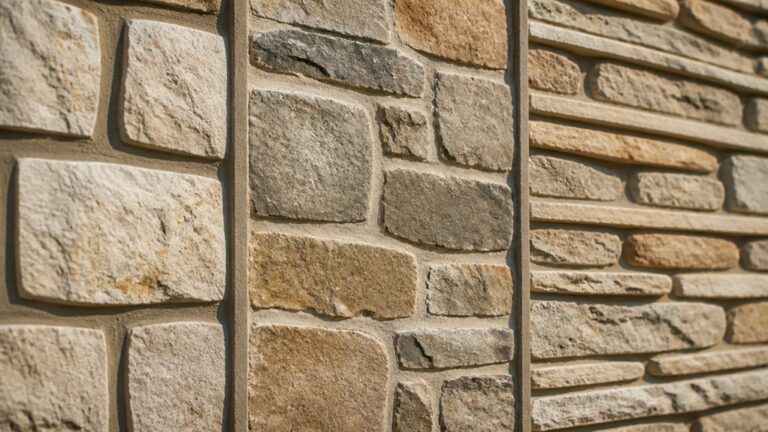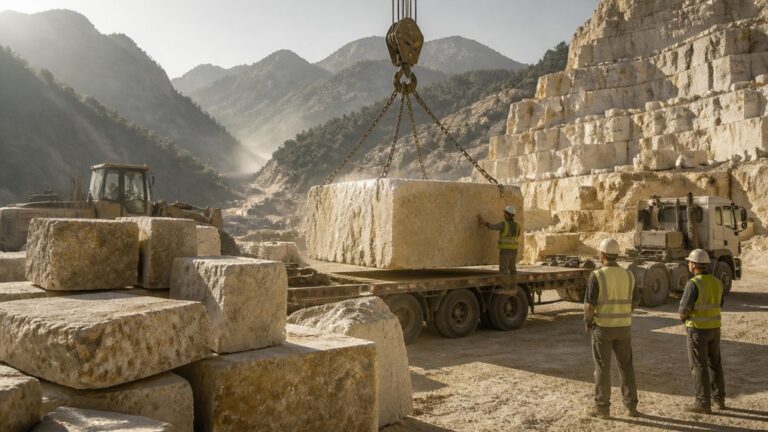
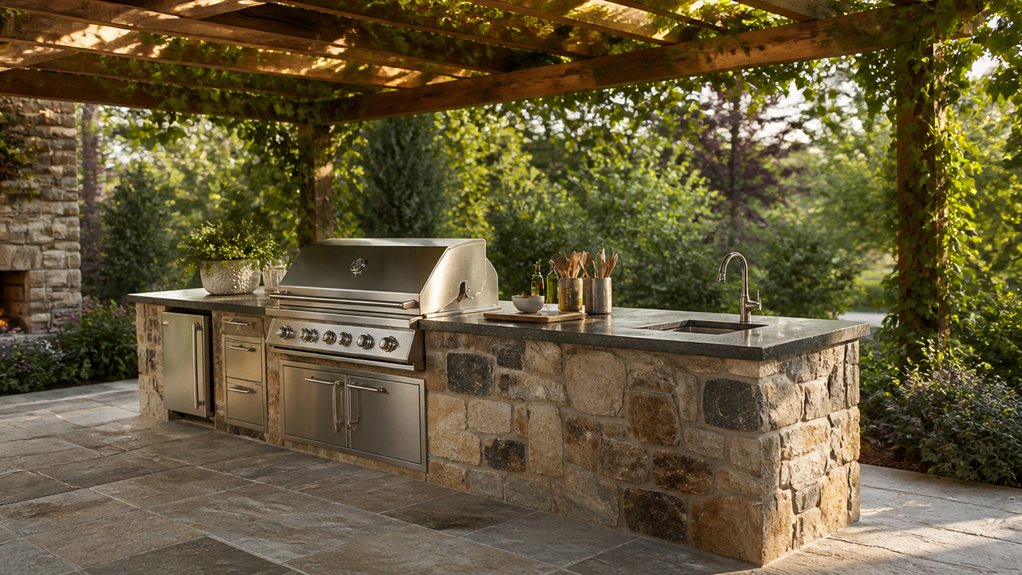
A natural-stone outdoor kitchen can serve you well through years of cooking and Mountain West weather, but the site and installation matter as much as the stone. We’re Bluestone Masonry & Construction, stone and marble masons based in Casper, Wyoming, and we plan each project around drainage, wind exposure, snow load, altitude, UV, utility access, and local code requirements. Freeze-thaw cycles make proper drainage and sound installation especially important: water that collects in stone or masonry can freeze, expand, and cause damage.
Stone behaves differently by type and finish. Dense granite is generally durable and handles outdoor use well, while more porous stones may need careful sealing and maintenance. Choose a surface finish that suits the climate and provides safe footing when wet or icy. Before construction, map appliance clearances, work zones, and utility routes, and confirm whether permits, inspections, or a structural engineer are required. Requirements vary by state and county. We take projects from quarry to completion, sourcing and cutting stone, building, and finishing interiors across Wyoming, Montana, Colorado, Idaho, Utah, Nebraska, and South Dakota.
Assess Your Outdoor Kitchen Site and Budget
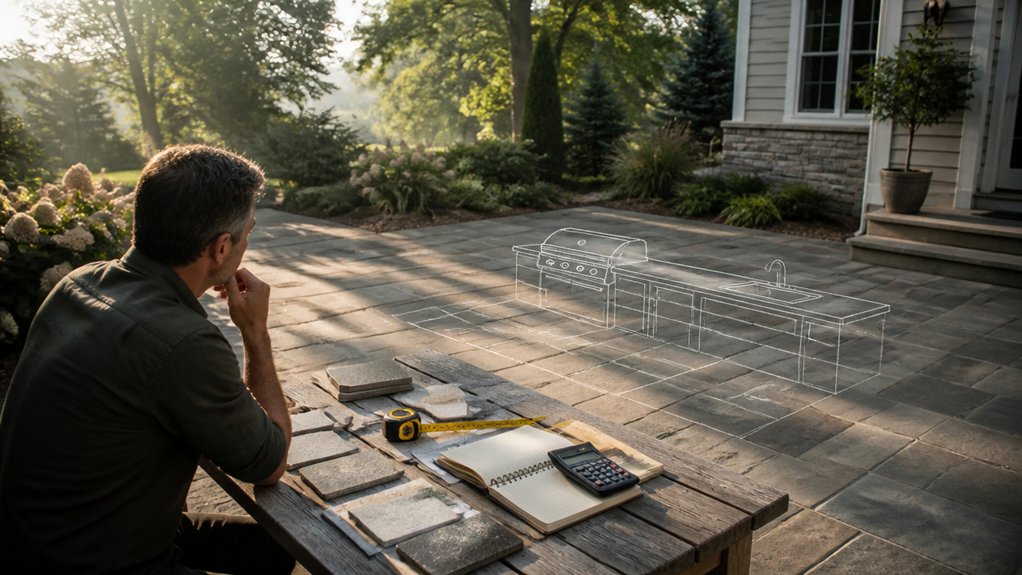
Before we select stone or appliances, we assess the site and establish a practical budget. We check soil stability, drainage, sun exposure, prevailing winds, and access for deliveries and construction equipment. In Wyoming and the surrounding Mountain West, freeze-thaw cycles, snow, high-altitude UV exposure, and strong winds can affect material selection, foundations, and installation details.
We also confirm that the proposed area complies with applicable codes and avoids easements, septic systems, and overhead hazards. Existing paving, grading, retaining work, and utility connections can all affect the scope and cost. At this stage, we focus on site conditions rather than planning the kitchen layout.
We help identify the work to include in estimates, such as excavation, foundations, stone sourcing and cutting, delivery, installation, and permits. Allow for waste, taxes, and a contingency; the amount needed depends on site conditions and the project scope. Permit, inspection, and code requirements vary by state and county, and some work may require licensed professionals, including a structural engineer. Careful site assessment and budgeting help us choose materials that suit the conditions without overlooking essential preparation.
As stone and marble masons based in Casper, Wyoming, we take projects from quarry to completion: sourcing and cutting stone, building, and finishing interiors across Wyoming, Montana, Colorado, Idaho, Utah, Nebraska, and South Dakota.
Plan the Layout, Utilities, and Work Zones
We plan prep, cooking, and serving zones around how you use the space, leaving enough room for appliances, doors, and safe movement. Before setting stone, we coordinate water, gas, and electrical routes with the relevant licensed professionals. We also account for stone thickness, support, and access for future maintenance. In the Mountain West, outdoor layouts should consider wind, snow, and freeze-thaw exposure; permits, inspections, and code requirements vary by state and county.
Map Work Zones
We plan an outdoor kitchen around the way you cook, prep, serve, and clean up. Before selecting stone, we mark each zone and allow enough counter space beside appliances for safe, practical work. Place prep surfaces between refrigeration and cooking areas, and keep serving space near seating without sending guests through the cook’s path. Make cleanup accessible, but separate it from food preparation.
We also check clear routes through the kitchen and provide landing space around hot equipment. Mark appliance footprints, counter edges, and traffic paths on the ground, then test the layout before setting dimensions or choosing materials.
Stone selection should suit each surface and the Mountain West climate. Granite is generally a durable choice for outdoor counters, but its performance depends on the specific stone, finish, and installation. Marble can stain or etch more readily, so it may need more careful use and maintenance. For paving, choose a finish that provides reliable footing when wet or icy; smooth stone can become slippery. We source and cut stone to fit the planned surfaces, then build and finish the installation from quarry to completion. In Wyoming, Montana, Colorado, Idaho, Utah, Nebraska, and South Dakota, freeze-thaw cycles, snow, strong UV, and wind make proper drainage, stable support, and suitable exterior materials essential. Local permits, inspections, and code requirements vary by state and county; consult the appropriate authorities and licensed professionals when required.
Plan Utility Access
Once the work zones are set, we plan utility routes around the kitchen layout and the stonework. Before we set stone or build cabinetry, we confirm the locations of gas, water, drainage, and electrical connections, along with appliance specifications, clearances, and shutoff access. We coordinate those details with licensed tradespeople and check applicable permits, inspections, and local codes, which vary by state and county.
We route lines through accessible service areas and protect them from heat, moisture, and impact. In a Mountain West climate, we also account for freezing conditions and seasonal movement where utilities pass through exterior walls or exposed areas. We coordinate sleeves and penetrations with the mason so cuts don’t weaken stone counters or veneer. Before sourcing stone, we consider how the material will perform near grills and sinks and under exposure to snow, freeze-thaw cycles, wind, and UV. We mark connection points on the plan and verify measurements on site before installation to reduce the risk of costly rework.
Allow Clear Circulation
We plan clear circulation before setting stone or building counters. Keep the main route at least 36 inches wide, with 42 to 48 inches where people pass behind the cook or where appliance doors open.
Arrange the grill, sink, and refrigerator for an efficient work triangle, without sending traffic through the serving area.
Provide landing space beside the grill and sink for hot cookware, tools, and ingredients, and check that doors, drawers, and stools don’t obstruct walkways.
In Wyoming and the surrounding Mountain West, wind, snow, and freeze-thaw cycles can affect outdoor kitchen use and construction. We account for exposure and drainage when planning the layout, and coordinate structural support for heavy stone counters with the builder or a licensed structural engineer when needed.
We take projects from quarry to completion, sourcing and cutting stone, building, and finishing interiors across the region.
Permit, inspection, and code requirements vary by state and county, so confirm them before construction begins.
Choose Natural Stone for Counters and Walls
Choosing natural stone for counters and walls starts with matching each stone to its exposure, support, and intended use. We’re Bluestone Masonry & Construction, stone and marble masons based in Casper, Wyoming. Since 2013, we’ve taken projects from quarry to completion across Wyoming, Montana, Colorado, Idaho, Utah, Nebraska, and South Dakota—sourcing and cutting stone, building, and finishing interiors.
Choose natural stone for its setting, support and intended use. Bluestone Masonry & Construction brings Wyoming craftsmanship from quarry to completion.
For counters, consider porosity, strength, heat exposure, and how much maintenance you’re willing to do. For walls, account for stone weight, substrate, anchoring, and exposure to wind and weather. In the Mountain West, freeze-thaw cycles, snow, strong UV, and temperature swings can affect both the stone and its installation. Compare samples in the actual light and against nearby cabinetry and paving before choosing.
- Granite handles heat and everyday wear well. Its performance depends on the specific stone and finish; sealing may be needed to reduce staining.
- Soapstone is naturally nonporous and resists many stains, but it scratches more readily than granite. Minor marks can often be sanded or blended, depending on the finish.
- Limestone offers warm colors and a softer, more porous surface. Seal it to help limit staining, and use care with acidic cleaners, which can etch the stone.
- Slate can work well for wall cladding, but its weight and layering require suitable backing and secure attachment. Outdoors, select stone and installation details appropriate for freeze-thaw exposure.
- Paving should coordinate with the wall stone while providing suitable texture and slip resistance near wet work areas. Drainage and a stable base matter in climates with freezing temperatures.
Before installation, we check the stone, substrate, support, and exposure so the material and attachment details suit the site. Heavy cladding or structural work may require permits, inspections, local code review, and a licensed professional such as a structural engineer. Requirements vary by state and county.
Choose Stone Finishes for Weather and Safety
For outdoor counters and paving, we choose finishes based on traction, cleaning needs, and exposure to Mountain West weather. A honed finish reduces glare and is easier to wipe down than a rough surface, but it may provide less grip underfoot. Textured or flamed finishes generally offer better traction for walkways and steps, though their uneven surfaces can hold dirt and take more effort to clean. We recommend comparing stone samples when wet and checking that the planned surface, slope, and drainage work together.
Avoid highly polished stone for paving: rain, melting snow, grease, and frost can make it slippery. Stone choice matters, too. Dense, low-porosity stone typically absorbs less moisture and resists abrasion better, while more porous stone may need more careful sealing and maintenance. In Wyoming and the surrounding Mountain West, freeze-thaw cycles, snow, wind, and strong UV exposure can all affect exterior stone. We select compatible materials and installation methods for the site, including suitable drainage and movement joints where needed. Follow the supplier’s guidance for sealers and resealing; sealing can help limit staining and moisture entry, but it doesn’t replace proper installation or drainage.
Choose Appliances That Fit Your Layout
Measure the appliance space after accounting for stone counters, finished edges, required clearances, and door swings. We match appliance dimensions to the finished layout so prep areas and walkways remain usable. Plan gas, electrical, and water connections before fabrication and installation; cutting or routing through stone later can be difficult and may affect the slab. Confirm utility locations and applicable code requirements with the appropriate licensed professionals before work begins.
Measure Available Space
Before we select stone, counters, or appliances, we measure the usable footprint and check how doors, drawers, seating, and walkways will work together. At Bluestone Masonry & Construction, we plan stonework from quarry to completion, including sourcing and cutting stone, building, and finishing interiors. Accurate site measurements help us coordinate the masonry with appliances and utility connections before construction begins.
Mark the proposed kitchen boundaries on the ground, including stone counters, seating, and access routes. Check how walls, fencing, and utility connections limit placement. Record:
- The overall length and depth of the available area
- Door swings and the clearance needed to open doors and drawers
- Walkway widths between work zones
- Locations of gas, water, drainage, and electrical services
- Counter edges and seating projections
Stone counters are heavy, so the supporting cabinets or structure must be suitable for the selected material and its span. Natural stone can also vary in thickness, veining, and surface texture; confirm the finished dimensions and edge details before fabrication. For outdoor kitchens in Wyoming and the surrounding Mountain West, account for snow, wind, strong UV exposure, and freeze-thaw conditions. Stone, mortar, joints, and drainage details must suit the site and intended use.
We use these measurements to map a functional layout before equipment is chosen. Keep circulation paths clear, and verify the plan against actual site conditions before construction. Permits, inspections, local building codes, or review by a licensed professional, such as a structural engineer, may be required; requirements vary by state and county.
Match Appliance Sizes
With the work zones mapped, we help you choose appliances that fit the plan and leave room for stone installation. Measure each unit’s width, height, and depth, then compare those dimensions with the drawings and the manufacturer’s specifications. Allow for door swings, open lids, ventilation, and service access so appliances don’t block walkways or interfere with drawers.
Check counter depth and projection carefully. A grill or refrigerator that extends past the counter can narrow circulation and leave stone edges more exposed to impacts. Confirm cutout dimensions and use the appliance manufacturer’s required clearances before we template or cut the stone. Accurate planning helps protect the slab and keeps the finished kitchen practical to use. In Wyoming and across the Mountain West, also account for exposure to wind, snow, and freeze-thaw conditions when selecting and placing outdoor appliances. Follow manufacturer guidance for weather protection and installation.
Plan Utility Connections
Plan utility connections before stonework begins
We coordinate gas, electrical, water, and drainage around the appliances you select and the kitchen’s work zones. Confirm each appliance’s specifications before plumbing or routing electrical through stone counters or masonry. Keep shutoffs, valves, and service points accessible, and use components rated for outdoor exposure.
- Place gas shutoffs where they can be reached without moving appliances.
- Size circuits for appliance loads, and use outdoor-rated GFCI protection where required.
- Position water lines near sinks and protect them from freezing where needed.
- Slope drains appropriately and confirm local code requirements.
- Plan sleeves and penetrations before stone installation.
Stone and marble are difficult to alter cleanly after installation. We confirm utility locations and penetrations before cutting and setting stone to help avoid unnecessary modifications. In the Mountain West, account for freeze-thaw conditions, snow, wind, and UV exposure when selecting materials and planning outdoor connections. Don’t bury junctions or valves behind fixed stonework.
We recommend having licensed tradespeople verify connections, clearances, and permits. Requirements vary by state and county, so confirm applicable codes and inspections before work begins. As stone and marble masons serving Wyoming and the surrounding region, we coordinate from quarry to completion, working with your builder and trades to keep the layout functional, safe, and maintainable.
Protect and Maintain Your Stone Outdoor Kitchen
We recommend caring for each stone according to its density, finish, and the supplier’s sealing guidance. Porous stone may need periodic resealing; denser stone often needs less. Sealing can help limit staining, but it doesn’t make stone stainproof.
Wipe up oil, wine, and acidic foods promptly. Acids can etch marble and some other calcareous stones, while oils may penetrate porous surfaces. For routine cleaning, use warm water, a soft cloth, and a pH-neutral cleaner approved for your stone. Avoid abrasive pads, bleach, and acidic products unless the manufacturer confirms they’re safe.
In Wyoming and across the Mountain West, freeze-thaw cycles make sound joints and drainage especially important. Clear debris from joints, check grout and sealant seasonally, and repair cracks before water can enter and freeze. After heavy snow or strong winds, inspect the kitchen for damage and make sure snow hasn’t blocked drainage. We source, cut, build, and finish stone from quarry to completion, and we can help you choose a care routine suited to your material and installation.
Frequently Asked Questions
Do Outdoor Kitchens Increase a Home’s Resale Value?
An outdoor kitchen can support resale value, but the return depends on local buyer demand, workmanship, materials, and ongoing maintenance. In Wyoming and the surrounding Mountain West, buyers may value a kitchen designed for the climate: durable stone, properly protected utilities, and details that handle snow, wind, UV exposure, and freeze-thaw cycles.
We recommend weighing those features against the full installation and upkeep costs. Stone type, site access, drainage, appliances, and the complexity of the build all affect cost. Permits, inspections, and local building codes may also apply, with requirements varying by state and county.
Can an Outdoor Kitchen Be Used Year-Round?
Yes. We recommend planning an outdoor kitchen for the conditions it will face, especially Wyoming’s freeze-thaw cycles, snow, strong winds, altitude and intense UV exposure. A roof or covered area can help protect the kitchen, but it must be designed for local snow and wind loads; permits, inspections or a structural engineer may be required, depending on local codes.
Choose durable, properly installed materials. Dense natural stone generally handles weather better than more porous stone, which may need sealing and more frequent care. Use freeze-resistant plumbing and arrange for lines to be drained or winterized when needed. Select appliances rated for outdoor use and local conditions, and provide safe, code-compliant heating and ventilation. Wind protection can improve comfort, but it should not block required airflow around grills or other equipment. We can help plan the stonework and finishes as part of a project from quarry to completion.
Do I Need a Permit to Build an Outdoor Kitchen?
Permit requirements depend on your location and the scope of the outdoor kitchen. We recommend checking with your local building department before work begins, since requirements vary by state and county. Gas, electrical, and plumbing work often needs permits and inspections, while roofs, retaining walls, and other structural changes may require additional approval or review by a licensed professional, such as a structural engineer. Confirming requirements early helps us plan the build and avoid delays.
How Can I Reduce Smoke and Odors in an Outdoor Kitchen?
We recommend placing the grill downwind from seating and leaving enough open space for smoke to move away rather than collect beneath a roof or pergola. A properly sized, outdoor-rated hood can help, but its performance depends on the grill’s heat output, hood placement, and unobstructed exhaust. In windy areas of Wyoming and the Mountain West, plan the hood and cooking area for prevailing winds without directing smoke toward doors, windows, or neighboring spaces.
Clean grease trays and traps regularly, use dry fuel, and avoid crowding the cooking surface. These steps reduce smoke and lingering odors while helping limit grease buildup. If you’re building a stone or masonry kitchen, we can help coordinate the grill, hood, and surrounding materials so the layout supports airflow and allows for safe clearances. Local codes, permits, and inspections may apply; requirements vary by state and county.
What Plants Complement a Natural Stone Outdoor Kitchen?
We recommend rosemary, thyme, and lavender beside a natural stone outdoor kitchen. These aromatic plants tolerate heat and suit well-drained beds; in Casper and other high-altitude areas, protect less-hardy varieties from harsh winter winds and freeze-thaw conditions. Add ornamental grasses or low succulents for contrast, choosing plants suited to your sun exposure and local climate. Allow for mature plant size, keep foliage clear of cooking surfaces and walkways, and make sure the soil drains away from stonework to limit moisture and ice buildup.