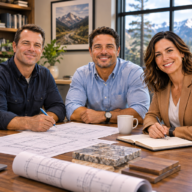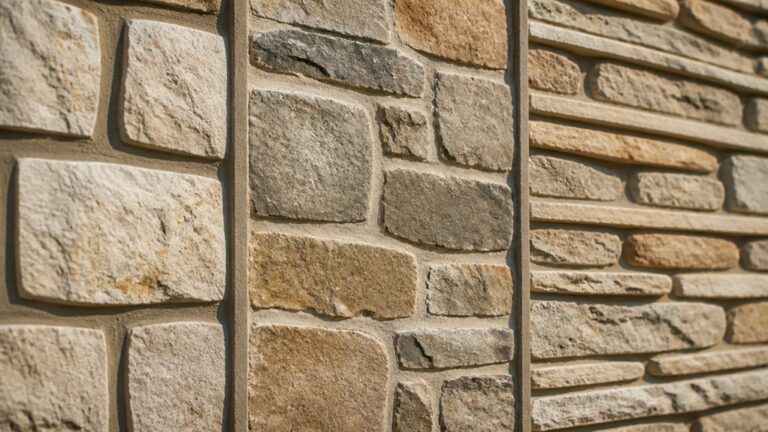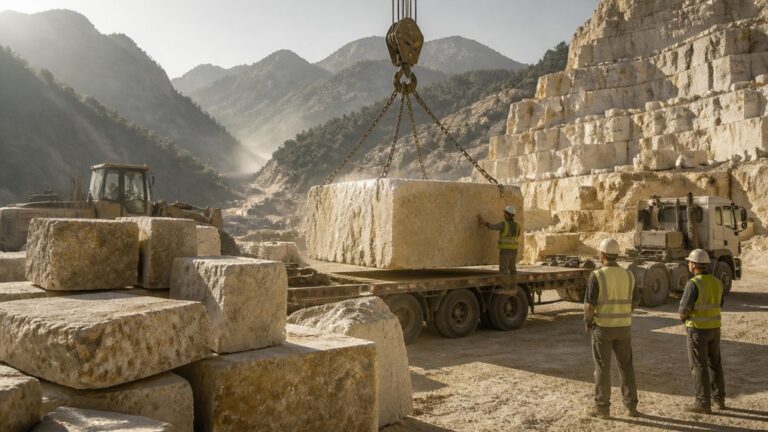
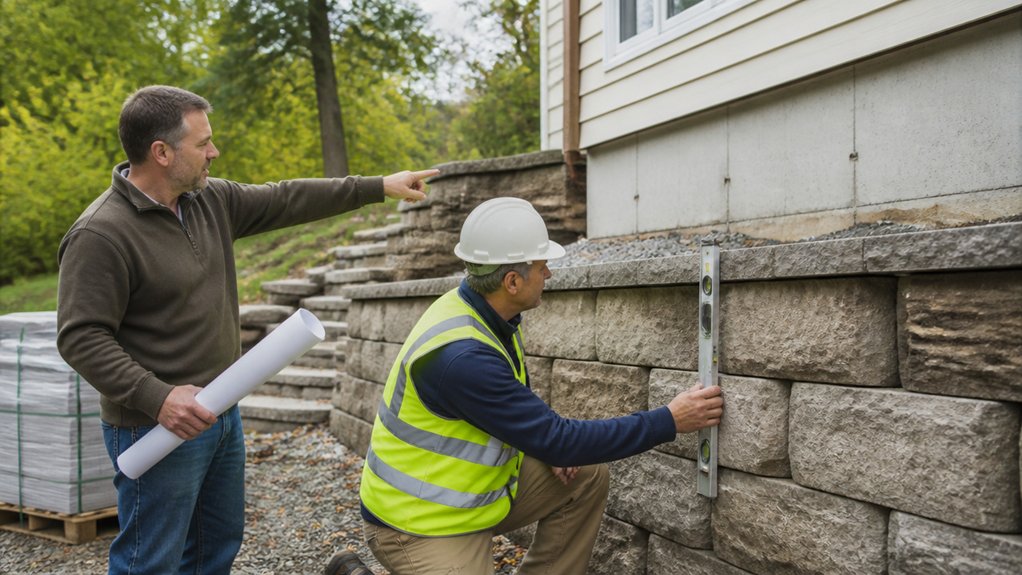
Before we build a stone patio, retaining wall, chimney, or foundation, we recommend checking with your local building department about permits and inspections. Requirements vary by state and county, and depend on details such as wall height, structural loads, drainage, fire safety, and how the work connects to an existing building. A structural engineer or other licensed professional may also be required.
In Wyoming and across the Mountain West, plans should account for freeze-thaw cycles, snow loads, wind, altitude, and strong UV exposure. These conditions affect stone selection, foundations, drainage, mortar, and installation. We take masonry projects from quarry to completion, sourcing and cutting stone, building, and finishing interiors. Confirming the requirements early can help prevent delays, added costs, and unsafe work. First, it helps to know which masonry projects commonly need a permit.
Which Masonry Projects Need a Permit?
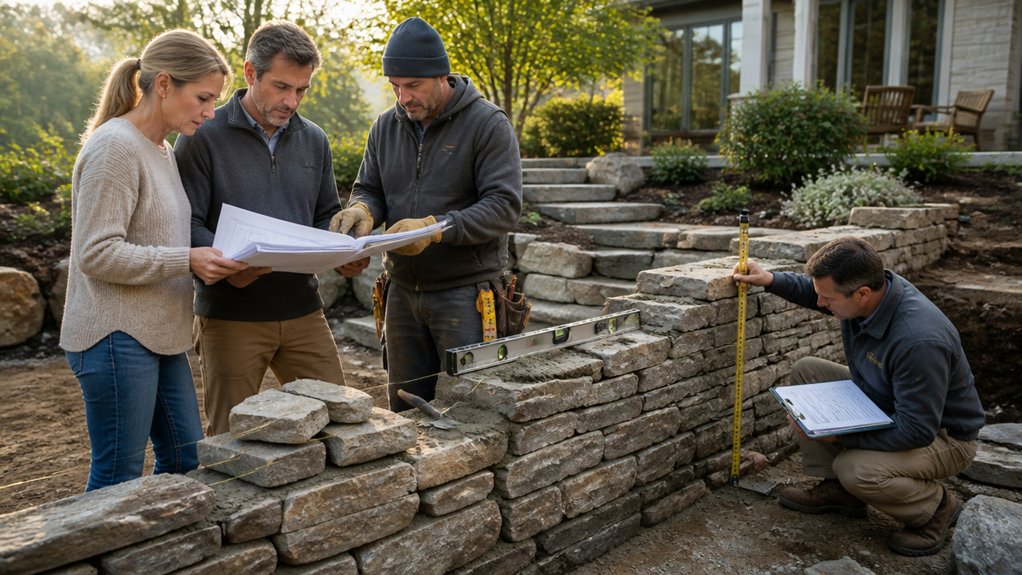
Whether masonry work needs a permit depends on local building codes, the project’s size, and its effect on your home’s structure and safety. Across Wyoming and the surrounding Mountain West, requirements vary by state, county, and municipality, so confirm them with your local building department before work begins.
Permit requirements for masonry work vary across the Mountain West, so check with your local building department before starting.
Permits and inspections may be required for structural changes, retaining walls above locally specified heights, or work that affects foundations, load-bearing walls, drainage, or fire safety. A structural engineer or other licensed professional may also need to review designs for walls, foundations, or other load-bearing masonry.
Driveway permits may apply when you add or widen a paved entrance, particularly if the work changes grading, drainage, or access to a public road. Permits are also commonly required for new chimneys and major repairs or alterations to a fireplace or flue. These details matter in our cold, high-altitude climate, where snow loads, freeze-thaw cycles, and wind can affect how masonry performs.
Small repairs, such as replacing a few bricks or stones, may be exempt, but don’t assume the work is permit-free. We recommend checking local requirements before starting; permit rules can depend on the material, wall height, site conditions, and scope of work.
How Do You Check Local Permit Rules?
We recommend starting with your city or county building department. Permit rules vary across Wyoming and the surrounding states, and even neighboring communities may handle masonry work differently. Check the department’s website, then call if the requirements are unclear. Describe the project—such as a retaining wall, chimney repair, or stone patio—and ask whether its location, height, foundation, or structural changes require a permit or inspection.
Ask about local building codes, review timelines, and any added restrictions related to historic status, zoning, or utility easements. In the Mountain West, retaining walls and other structural masonry may need professional design to account for soil conditions, drainage, snow loads, and freeze-thaw cycles. A licensed structural engineer may be required, depending on the project and local rules.
Confirm approvals before scheduling contractors, ordering stone, or starting work. We plan projects from quarry to completion, but permit requirements and inspection stages are set by local authorities and vary by state and county. Following their direction helps you coordinate the work and avoid costly delays.
What Paperwork Do You Need for a Masonry Permit?
Once you’ve confirmed that your masonry project needs a permit, ask your local building department for its current application checklist. Requirements vary by state and county, and the plans for a stone veneer may differ from those for a retaining wall, fireplace or other structural work.
We recommend preparing a completed application, proof of ownership and a clear project description. Include drawings that identify the masonry’s location, dimensions, stone type and installation details, including how it connects to the existing structure. For retaining walls or other structural work, the department may require a site plan showing property lines and drainage, plus engineered plans or calculations from a licensed structural engineer.
Your contractor’s license and insurance information may also be required. Submit complete, legible documents, and ask about fees, permit timelines and inspection scheduling before work begins. In Wyoming and across the Mountain West, local requirements can affect details such as drainage, wall stability and connections exposed to freeze-thaw, snow and wind. Keep the approved plans on site during construction so the crew and inspector can refer to the same details.
When Do Masonry Projects Need Inspections?
Inspection timing depends on the permit, approved plans, and type of masonry work. We recommend confirming the required inspection stages with your local building department before work begins; requirements vary by state, county, and project.
An inspector may need to review excavation and footing dimensions before concrete is poured, or check reinforcement, drainage, and connections before masonry is covered. Keep these details visible until they’ve been approved. Retaining walls, chimneys, and structural repairs may require several inspections, and a structural engineer may need to review the plans or work.
In Wyoming and across the Mountain West, proper footing depth, drainage, and reinforcement matter because freeze-thaw cycles, snow loads, and wind can put added stress on masonry. We coordinate our work with the approved plans and inspection schedule so critical details can be checked at the right stage. Ask your building department when to schedule each visit, and don’t conceal work that requires inspection.
How Can You Keep Your Masonry Permit on Track?
To keep your masonry permit on track, we recommend confirming document requirements, fees, review times, and inspection stages with your local building department before work begins. Requirements vary by state and county, and a structural engineer or other licensed professional may need to provide details for walls, foundations, or other structural work.
Submit complete plans that show dimensions, stone or masonry materials, drainage, foundations, reinforcement, and structural details. Stone behaves differently depending on its type, thickness, and installation, so make sure the plans match the materials and construction methods you intend to use. Respond promptly to requests for revisions, and schedule inspections early—especially when weather, snow, or limited site access could affect the work.
Keep approved plans, permits, and contact information on-site. Don’t cover footings, reinforcement, or other work that requires inspection until it has been approved. Before each visit, check that the site is accessible and safe and that construction matches the approved plans. If an inspector identifies an issue, resolve it before continuing. We’ve seen that clear plans, timely communication, and inspection-ready work help prevent avoidable delays.
Frequently Asked Questions
How Much Do Masonry Permits Typically Cost?
Permit fees vary by state, county and project scope, so we recommend confirming requirements and costs with your local building department before work begins. Fees may depend on the project’s declared value, required inspections and whether the work changes a structure. In Wyoming and across the Mountain West, local codes and permit requirements differ; a structural engineer or other licensed professional may also be required for structural work. We can help clarify the masonry scope, but the building department determines which permits and inspections apply.
Who Is Responsible for Obtaining the Permit: the Homeowner or Contractor?
We can help coordinate permit requirements for stone and masonry work, but the homeowner should confirm who is responsible for obtaining the permit. Before work begins, put the contractor’s permit responsibilities in writing and verify that the permit has been issued. Keep the approved plans and inspection records with your project documents.
Permit and inspection requirements vary by state and county. Structural changes or heavy stone installations may also require review by a licensed professional, such as a structural engineer.
Can Unpermitted Masonry Work Affect Home Insurance Coverage?
Yes. Unpermitted masonry work can affect a home insurance claim, particularly if the work violated local building codes or contributed to the damage. Coverage depends on your policy and the circumstances, so an insurer may limit or deny payment rather than automatically reject every claim.
Before building or repairing a stone or masonry feature, confirm permit and inspection requirements with your local building department. Requirements vary by state and county, and structural work may require a licensed professional, such as a structural engineer. Keep permits, inspection records, and contractor documentation, and ask your insurer whether the planned work affects your coverage. These steps are especially important in the Mountain West, where freeze-thaw cycles, snow loads, wind, and UV exposure can put added demands on masonry.
What Happens if Masonry Work Fails an Inspection?
If masonry work fails inspection, we review the inspector’s report and identify what needs correction before work continues or the permit can be closed. Keep people away from any area the inspector considers unsafe, especially where loose stone, unstable walls or inadequate support could create a hazard. We correct the work to meet the approved plans and applicable local code, then coordinate any required reinspection. In Wyoming and across the Mountain West, requirements vary by state and county; structural concerns may also require review by a licensed engineer.
How Can You Verify a Masonry Contractor’s License and Insurance?
We recommend checking with your state licensing board to confirm that a masonry contractor’s license is current and covers the work you’re planning. Requirements vary across Wyoming and neighboring states, so verify local and county rules as well.
Before hiring, ask for current certificates of general liability and workers’ compensation insurance. Contact the insurer or agent to confirm the policies are active and cover the planned work. For structural masonry or other work that requires permits or inspections, confirm that the contractor can meet local code requirements and coordinate with licensed professionals, such as a structural engineer, when needed.