
As stone and marble masons based in Casper, Wyoming, we take projects from quarry to completion: sourcing and cutting stone, building, and finishing interiors across Wyoming, Montana, Colorado, Idaho, Utah, Nebraska, and South Dakota. Responsible quarrying helps keep suitable stone available while limiting waste and protecting workers, water, habitats, and nearby communities.
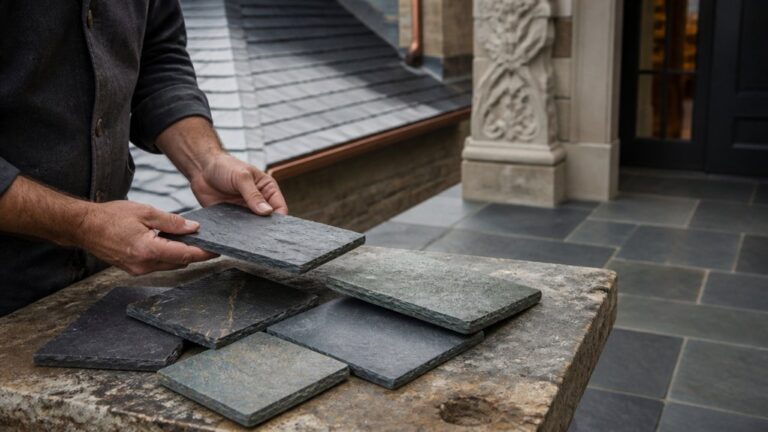
Stone selection starts with understanding how the material will perform. Granite is generally hard-wearing, while limestone and some marbles can be more porous or vulnerable to acids and weathering. Natural variation also affects color, veining, strength, and how pieces should be cut and laid. In the Mountain West, consider freeze-thaw exposure, snow and wind loads, altitude, and strong UV. Correct detailing, drainage, mortar, anchoring, and sealing—when appropriate for the stone—help reduce moisture damage and maintenance. We assess these factors from quarry selection through installation so the finished work suits its location and remains serviceable over time. Depending on the project, permits, inspections, local codes, and licensed professionals such as structural engineers may be required; requirements vary by state and county.
How Responsible Quarrying Sustains Stone Supply
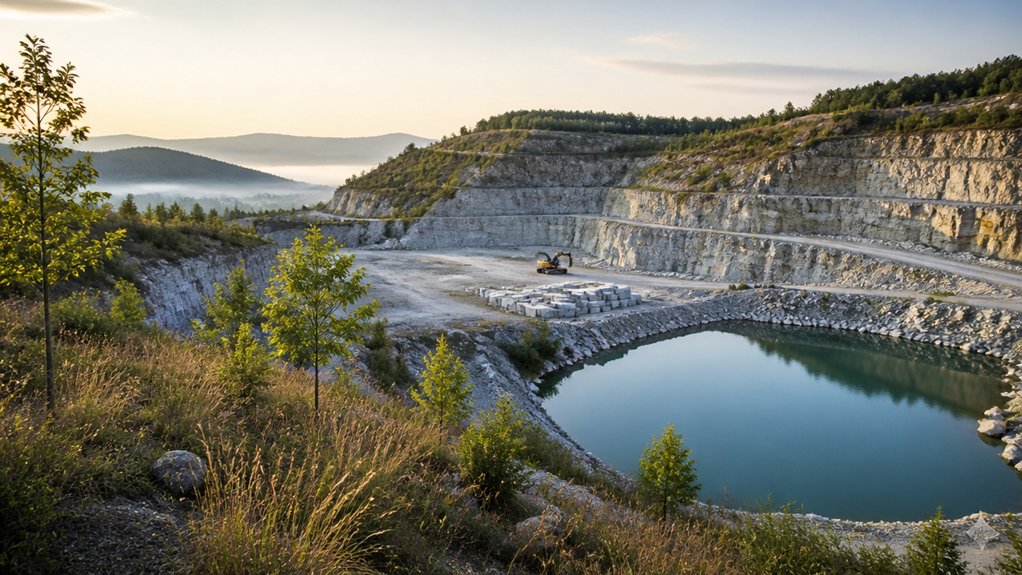
Responsible quarrying helps us maintain a dependable stone supply while limiting waste and environmental harm. At Bluestone Masonry & Construction, we consider how stone will perform from quarry to completion, including how it will be cut, installed and maintained in the Mountain West’s freeze-thaw cycles, snow, wind and strong UV exposure.
We plan material use around verified project needs and the characteristics of each stone. For example, a stone’s strength, porosity and natural variation affect how it should be cut and where it’s suitable. Careful selection and cutting help us preserve usable material; suitable offcuts can be reused as aggregate or in other products.
Responsible operations also require attention to water, dust, noise, fuel use, worker safety and nearby habitats. We support clear safety procedures, equipment checks, community consultation and site restoration. These practices help protect local resources and keep quarry operations accountable throughout their working life.
Plan Stone Extraction to Extend Quarry Resources
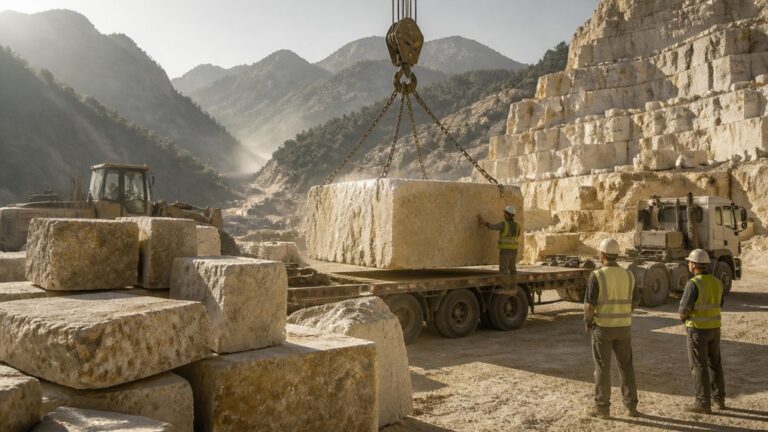
We plan quarry extraction around the stone’s geology and the needs of the finished project. Before setting a cut, we map layer orientation, fractures, color variation and likely block dimensions. These details help us choose workable cuts and anticipate how stone may split, finish and perform once installed.
We compare recoverable material with project requirements, then sequence production to avoid opening unnecessary faces or extracting more stone than needed. As surveys and specifications change, we adjust bench locations and extraction rates while keeping safe access and stone quality in view. Tracking yield by zone also helps us reserve suitable material for later work and account for differences between blocks.
For projects in the Mountain West, quarry planning is only one part of the job. Stone selection and installation must suit local conditions, including freeze-thaw cycles, snow load, altitude, UV exposure and wind. We take projects from quarry to completion, sourcing and cutting stone, building with it and finishing interiors across Wyoming, Montana, Colorado, Idaho, Utah, Nebraska and South Dakota. We also account for stable slopes and groundwater during extraction; permits, inspections, local codes or review by licensed professionals may be required, depending on the state and county.
Reuse Quarry Waste to Conserve Stone Resources
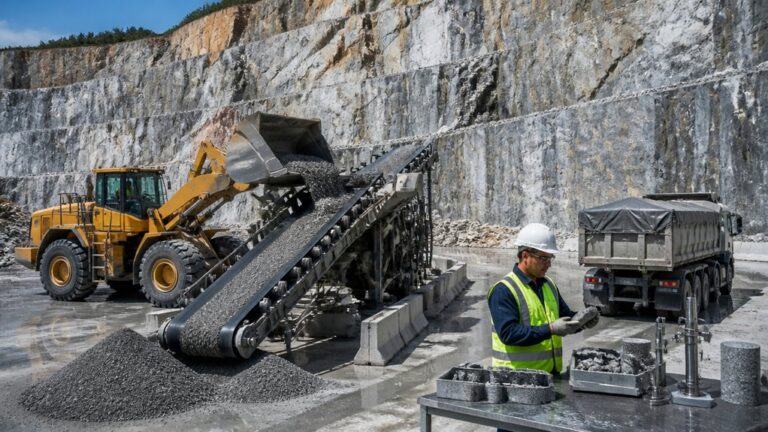
After we select usable blocks, we sort the remaining stone by size, strength, and mineral composition. Reuse quarrying can turn offcuts, fragments, and fines into useful materials rather than sending them to disposal. Larger pieces may work for paving, walling, or landscaping; smaller fragments can serve as aggregate, and finely crushed stone may suit cement or soil products when it meets the required specifications.
The right use depends on the stone’s durability, absorption, and performance in local conditions. In the Mountain West, freeze-thaw cycles, snow, wind, and strong UV exposure can affect stone and installations, so material should be matched to its intended application. We track the volume and quality of recovered material to plan cuts and identify dependable outlets. Reusing suitable quarry stone helps conserve reserves, reduce disposal, and get more value from each block—from quarry to completion.
Protect Quarry Habitats, Workers, and Communities
We manage quarry work with the same care we bring to stone from quarry to completion. Before extraction, we map sensitive habitat, mark exclusion zones, and plan noisy work to limit disruption. We control dust and runoff with site-appropriate measures, monitor water quality, and use sediment controls to keep contaminated water out of streams. Buffers around wildlife corridors and other site-specific biodiversity measures help protect habitat.
Worker and community safety also depend on practical routines: trained crews, well-maintained equipment, clear procedures, and prompt responses to concerns. We share monitoring results and follow applicable permits, inspections, and local requirements, which vary by state and county. These steps help reduce operational risks and support responsible stone production.
Restore Quarry Sites After Extraction
Restoring a quarry takes careful planning, sound site work, and follow-up. We’re stone and marble masons based in Casper, Wyoming, and since 2013 we’ve taken projects from quarry to completion: sourcing and cutting stone, building with it, and finishing interiors. When extraction winds down, a site-specific restoration plan should set measurable goals for slope stability, drainage, soil recovery, and habitat.
The right approach depends on local geology, climate, and the site’s intended use. Regrade unstable slopes, replace or improve topsoil, and establish native plants suited to local conditions. Manage runoff to limit erosion and sediment reaching nearby waterways. In the Mountain West, account for freeze-thaw cycles, snowmelt, strong winds, altitude, and intense UV exposure, all of which can affect soil, drainage, and plant establishment.
Monitor slopes, vegetation, soil, and water quality after restoration, then adjust treatments if results fall short. Permits, inspections, and local requirements may apply; rules vary by state and county, so consult the appropriate authorities and licensed professionals where needed.
Frequently Asked Questions
How Can Buyers Verify a Natural Stone Supplier’s Sustainability Claims?
We verify a natural stone supplier’s sustainability claims by asking for third-party audits, required permits, environmental records, and a documented quarry rehabilitation plan. We also check whether the supplier can trace the stone to its quarry and explain how it is cut, transported, and handled.
Before purchasing, confirm certifications directly with the organizations that issued them. Clear, consistent records matter: if a supplier cannot identify the quarry or provide supporting documents, treat the claim as unverified. Requirements for permits and inspections vary by state and county, so check with the relevant local authorities when needed.
Which Certifications Indicate Responsible Natural Stone Sourcing?
We look for responsible sourcing verified through recognized programs such as the Natural Stone Sustainability Standard (ANSI/NSC 373), along with independent quarry audits. Ask suppliers for current certification records, lifecycle assessments, environmental product declarations, and chain-of-custody documentation. These help confirm where the stone came from and how it was produced. We also check that the selected stone is suitable for its intended use, including exposure to freeze-thaw cycles, snow, and strong UV in the Mountain West.
How Does Natural Stone Compare With Manufactured Alternatives Over Its Full Life Cycle?
Over the full life cycle, natural stone can be a durable choice: properly selected and installed, it may need less replacement and can sometimes be salvaged and reused. Manufactured alternatives may contain recycled material, but their production can involve energy-intensive processing. We compare materials by looking at quarrying or manufacturing, transport, installation, maintenance, and end-of-life options—not just the initial material.
In the Mountain West, the stone’s properties and the installation matter. Freeze-thaw cycles can damage porous stone or poorly detailed joints; snow loads, wind, altitude, and strong UV exposure also affect design and performance. We consider the stone type, water absorption, finish, anchoring, drainage, and exposure before recommending an approach. Natural stone is not maintenance-free, and manufactured products vary in durability and repairability. We source and cut stone, build, and finish interiors from quarry to completion. Permits, inspections, local codes, and licensed professionals such as structural engineers may be required; requirements vary by state and county.
What Maintenance Helps Natural Stone Products Last Longer?
We recommend cleaning natural stone with a pH-neutral cleaner and wiping up spills promptly, especially on marble and other acid-sensitive stones. Reseal porous stone when water no longer beads on the surface; sealing helps resist stains but does not make stone stainproof. Use coasters and protective pads, and check grout joints and sealant regularly for cracks or gaps. Outdoors in the Mountain West, keep surfaces clear of snow and standing water, and address damaged joints before freeze-thaw cycles can worsen them.
How Can Architects Specify Natural Stone to Reduce a Project’s Environmental Impact?
We reduce a stone project’s environmental impact by choosing durable materials with clear sourcing and environmental documentation, then designing and installing them to last. We’re the Bluestone Masonry & Construction team, stone and marble masons based in Casper, Wyoming. Since 2013, we’ve taken projects from quarry to completion across Wyoming, Montana, Colorado, Idaho, Utah, Nebraska, and South Dakota.
Start by comparing stone options based on where they come from, how they are quarried and processed, and how far they must travel. Local stone can reduce transportation, but it still needs to suit the project. Granite generally handles abrasion and weather well; some limestones and marbles are more vulnerable to acids, moisture, or surface wear. Ask suppliers for verified environmental data and details about recycled content rather than relying on broad marketing claims.
Durability matters especially in the Mountain West. Freeze-thaw cycles, snow, wind, strong UV exposure, and high-altitude conditions can shorten the life of unsuitable stone or poorly detailed work. Check the stone’s absorption and weathering characteristics, select appropriate finishes and thicknesses, and plan drainage and movement joints carefully. For exterior installations, proper setting materials and flashing help limit water entry and damage.
Efficient slab and cut-stone dimensions can reduce offcuts, but the layout must still work with the stone’s natural variation and structural needs. Compare lifecycle impacts, including quarrying, fabrication, transport, installation, maintenance, and eventual replacement. A stone with a higher initial cost may have lower long-term impact if it needs less repair or lasts longer; pricing depends on the material, finish, dimensions, fabrication, transport, and installation conditions.
We source and cut stone, build with it, and finish interiors, so we can consider material choices alongside fabrication and installation details. For structural or code-sensitive work, permits, inspections, local building codes, and licensed professionals such as structural engineers may be required. Requirements vary by state and county.