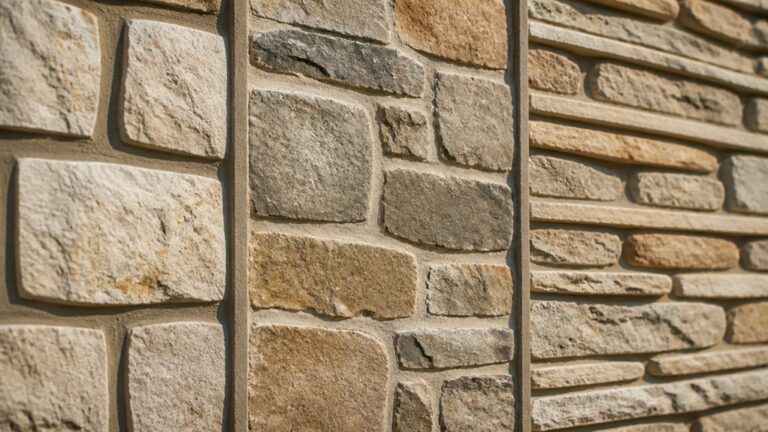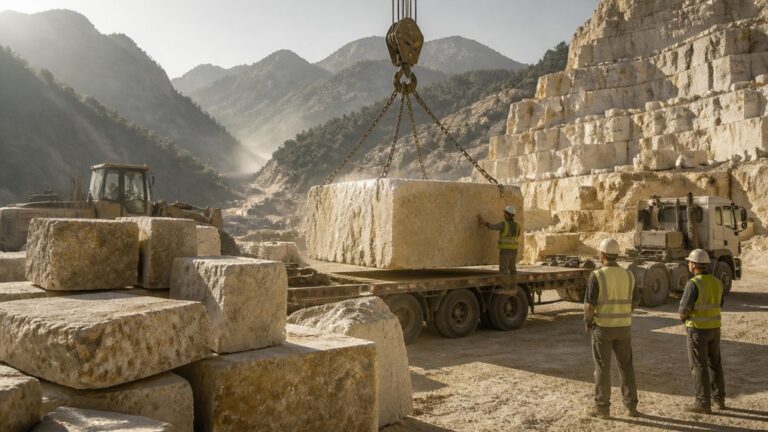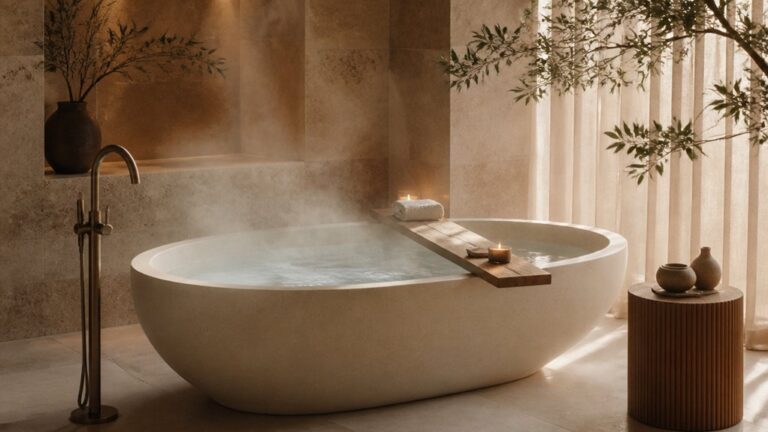
We’re the Bluestone Masonry & Construction team, stone and marble masons based in Casper, Wyoming. Since 2013, we’ve taken projects from quarry to completion across Wyoming, Montana, Colorado, Idaho, Utah, Nebraska, and South Dakota—sourcing and cutting stone, building with it, and finishing interiors.
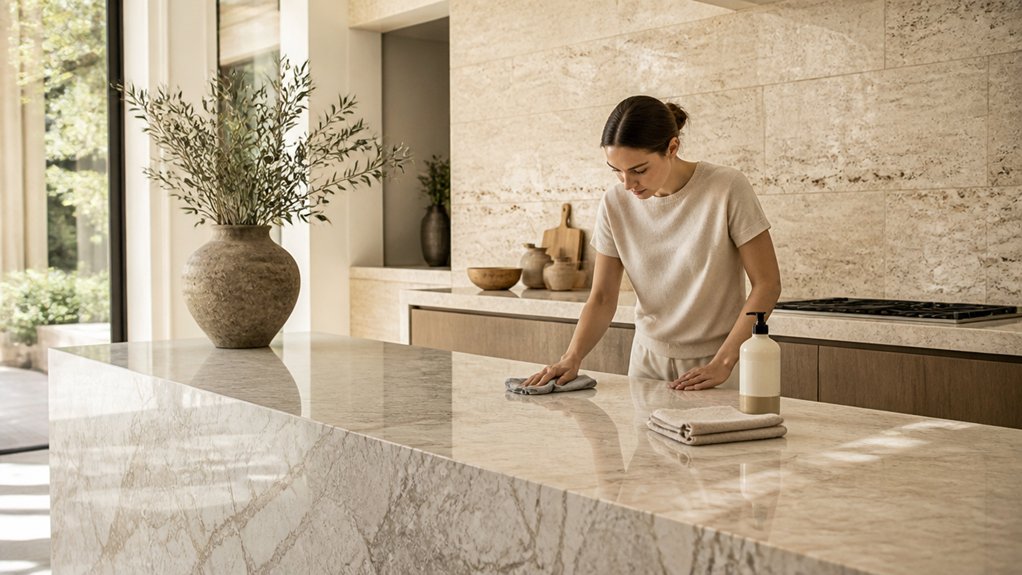
For interior care, first identify the stone and its finish. Marble and limestone can etch when exposed to acids such as lemon juice or vinegar; granite is generally more resistant to acids but can still stain or dull. Use a pH-neutral stone cleaner and a soft microfiber cloth, blot spills promptly, and avoid abrasive pads and harsh household cleaners. Test any product in an inconspicuous area before using it across the surface.
Sealing needs depend on the stone’s porosity, finish, and use, so follow the fabricator’s guidance rather than applying sealer on a fixed schedule. If a surface chips, cracks, or develops a persistent stain, address it early: the right repair depends on the stone, the damage, and how the surface was installed.
Clean Natural Stone Surfaces Safely
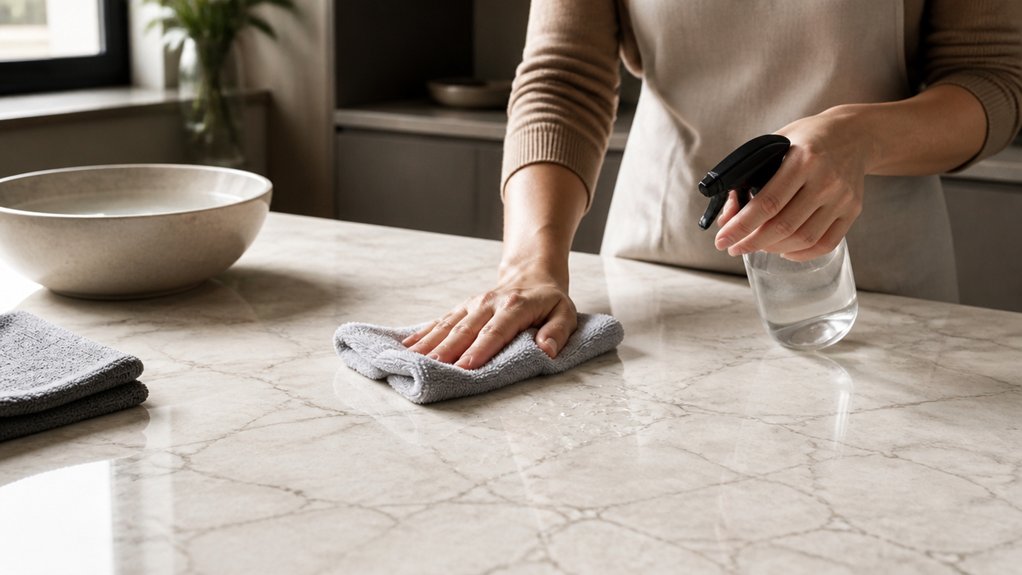
To clean natural stone safely, we first identify the stone and finish because different materials respond differently to cleaners. Marble and limestone can be etched by acidic products, while abrasive cleaners may scratch polished surfaces. Remove loose grit with a soft microfiber cloth before wiping; trapped sand can abrade the stone.
Use clean water and a pH-neutral cleaner labeled for natural stone, following the product’s dilution and contact-time instructions. Don’t assume a DIY label means a product suits every stone. Test it on a small, inconspicuous area and check for discoloration or dulling.
Blot spills promptly, rinse away residue, and dry with a soft cloth to help prevent water marks and buildup.
Choose Cleaners for Marble, Granite, and Limestone
We recommend choosing a cleaner for the stone itself, not just the product label. Marble and limestone are calcium-based, so acids can dull or etch their surfaces. Granite is generally more acid-resistant, but harsh chemicals and abrasive cleaners can still damage its finish or sealer. Check the ingredients and follow the stone and cleaner manufacturers’ guidance.
- Marble: Use a pH-neutral, nonabrasive cleaner made for natural stone. Avoid vinegar, citrus-based cleaners, and other acidic products.
- Granite: Choose a cleaner labeled for granite or natural stone. Avoid strong alkalis, abrasive powders, and scouring pads, which can dull the surface or affect its sealer.
- Limestone: Use a pH-neutral stone cleaner without acids, bleach, or abrasive particles. Limestone is especially vulnerable to etching and surface wear.
- Silicone-based sprays: Use these only if the stone-care manufacturer approves them for your stone and finish. Confirm compatibility before applying, since some products can leave residue or interfere with future treatments.
Follow the product directions and test it first in an inconspicuous spot. If you’re unsure about a stain, sealer, or finish, ask a stone-care professional before treating the surface.
Prevent Stains and Etching on Stone
Even a stone-safe cleaner can leave a mark if a spill sits too long. Marble and limestone are particularly vulnerable to acids: vinegar, citrus juice, wine, coffee, and tomato products can dull their surface, while some spills may also leave stains. Granite and other stones vary in porosity and finish, so don’t assume every surface responds the same way.
Blot spills promptly with a clean, absorbent cloth; wiping can spread liquid across the stone. Rinse with clean water and dry the area thoroughly. Use coasters under drinks, trays under toiletries, and cutting boards for food preparation. Avoid acidic cleaners and abrasive pads, which can etch or scratch the finish.
If a dull spot appears, stop scrubbing. Etching is surface damage, not a stain, and stronger cleaners may make it worse. We recommend asking a stone-care professional to identify the stone and finish before choosing a repair method. As we source, cut, build, and finish stone from quarry to completion, we account for the material’s care needs when advising on stone selection and installation.
Seal Natural Stone at the Right Time
Sealing can reduce staining on porous natural stone, but it won’t prevent etching or replace routine care. We choose when to seal based on the stone, its finish, and its exposure—not a fixed annual schedule. Marble and some limestones can absorb spills readily, while denser stones may need less frequent sealing. On outdoor work in Wyoming and the Mountain West, snow, freeze-thaw cycles, wind, and strong UV exposure also affect maintenance. Use a sealer rated for the stone and its location, and follow the manufacturer’s instructions.
Sealing helps limit stains on porous stone, but the right schedule depends on the stone, finish, and exposure.
Test an inconspicuous area with a few drops of water. If the stone darkens, it may be absorbing moisture and may need resealing. Include this check in your maintenance schedule.
- Clean with a stone-safe cleaner and let the surface dry completely.
- Apply a compatible sealer evenly, following the label’s coverage and dwell-time directions.
- Wipe away excess sealer before it cures to prevent residue.
- Allow the stated curing period before use. Recheck the stone periodically and reseal only when its condition calls for it.
Repair Scratches, Chips, and Stains on Stone
Scratches, chips, and stains call for different repairs, so identify the stone, finish, and type of damage before starting. We’re the Bluestone Masonry & Construction team, stone and marble masons based in Casper, Wyoming. Since 2013, we’ve worked across Wyoming, Montana, Colorado, Idaho, Utah, Nebraska, and South Dakota, taking projects from quarry to completion—from sourcing and cutting stone to building and finishing interiors.
For light scratches on polished marble or other polished stone, use a polishing compound made for that specific stone and finish. Work gently and follow the product directions; abrasive pads can leave dull spots or deeper scratches. Honed, textured, and flamed finishes need different treatment, and polishing them can change their appearance. If a scratch is deep or crosses a vein, have a stone professional assess it before attempting a repair.
For a chip, choose a color-matched stone epoxy compatible with the stone. Clean and dry the area, apply the epoxy as directed, and let it cure fully before leveling and finishing it. Matching the stone’s color and pattern takes care: a repair that looks acceptable on a small sample may stand out on a prominent edge or veined surface.
Blot stains rather than rubbing them, then use a poultice formulated for the contaminant and stone. Follow the label, and test any cleaner or repair product in an inconspicuous area first. Avoid acidic cleaners on marble and limestone; acids can etch these calcium-based stones, leaving a dull mark rather than a removable stain. Granite and other stones vary in composition, so don’t assume a cleaner is safe just because it’s labeled for stone.
Before sealing, make sure the stone is clean and completely dry. Sealing damp stone or using an incompatible product can trap moisture or change the finish. In the Mountain West, snow, freeze-thaw cycles, strong UV, and wind can put added stress on exterior stone and its joints. Choose repair and maintenance products rated for the stone’s location and exposure, and address water entry promptly. For extensive damage or exterior repairs, local permits, inspections, and code requirements may apply; requirements vary by state and county.
Frequently Asked Questions
Which Natural Stone Types Are Best Suited to High-Traffic Areas?
For high-traffic floors, we typically recommend granite, quartzite, or dense slate. Granite holds up well to abrasion and impact, while quartzite is hard and resists scratching. Dense slate offers good traction, but its cleft surface can be less comfortable underfoot and may need more careful cleaning. Marble has distinctive veining, but it scratches and etches more readily, so we generally reserve it for lighter-use areas.
In the Mountain West, the stone’s finish and installation matter as much as its type. For entries and other areas exposed to snow and grit, choose a finish with suitable slip resistance and use mats to limit abrasion. If stone is installed outdoors, confirm that the specific material and setting system are appropriate for local freeze-thaw conditions. We can help select, cut, and install stone to suit the space, from quarry sourcing through finishing.
Can Natural Stone Interiors Be Installed Over Radiant Heating Systems?
Yes. We install natural stone over radiant heating when the floor system, stone, and setting materials are compatible. Stone conducts heat well, but different types respond differently to temperature changes: dense granite is generally stable, while some marbles and stones with natural fissures may be more prone to cracking or movement.
Before installation, we check the radiant system and subfloor, follow the stone and heating-system manufacturers’ requirements, and use an approved mortar and grout. The floor should be brought up to operating temperature gradually after the mortar and grout have cured. This helps limit thermal stress, cracking, and bond failure. In Wyoming and the wider Mountain West, we also account for cold-weather conditions and indoor temperature swings that can affect the floor assembly.
How Do Natural Stone Finishes Affect a Room’s Appearance?
Natural stone finishes affect how bright, textured and spacious a room feels. Polished marble and granite reflect more light and bring out color and veining, but they can show fingerprints, water spots and scratches more readily. Honed finishes have a softer, low-sheen surface that reduces glare and can feel more understated; they may still need sealing, depending on the stone and how the surface is used.
We help homeowners, architects and builders choose finishes that suit the stone, room and maintenance needs. Veining and color vary from slab to slab, so review the actual pieces together before fabrication to plan pattern flow and focal points. In bathrooms and other wet areas, consider slip resistance as well as appearance. In Mountain West homes, account for strong UV exposure near windows, tracked-in snow and moisture, and temperature changes at transitions to exterior spaces. We take projects from quarry to completion, sourcing and cutting stone, building, and finishing interiors across Wyoming and the surrounding region.
What Should Homeowners Consider When Selecting Stone for a Renovation?
When selecting stone for a renovation, we start with where it will be used and how it must perform. Granite and quartzite are generally hard-wearing choices for busy surfaces; marble can show etching and scratches more readily, while limestone and other porous stones may need more frequent sealing. For floors, consider texture and slip resistance, especially in entryways exposed to snow and moisture.
In Wyoming and across the Mountain West, exterior stone must also suit local freeze-thaw cycles, wind, UV exposure, and the loads placed on the structure. We check the stone’s porosity, thickness, finish, support, drainage, and installation details before recommending it. Maintenance needs, availability, and cost depend on the stone, finish, fabrication, transport, and site conditions. We source and cut stone, build, and finish interiors from quarry to completion. Before committing, review samples in the room’s lighting and confirm any applicable permits, inspections, and local code requirements with qualified professionals.
How Does Natural Stone Compare With Engineered Stone in Sustainability?
Natural stone and engineered stone have different sustainability tradeoffs. Natural stone can last for decades, be repaired, and require relatively little processing, but quarrying and long-distance transport have environmental impacts. Engineered stone may include recycled material, yet its binders, manufacturing energy, and transport also matter. We recommend comparing verified environmental product declarations and checking how each material will perform in your application. In the Mountain West, freeze-thaw exposure, snow, and UV can affect exterior choices, so confirm that the stone is rated for the conditions and installed with suitable drainage and detailing.