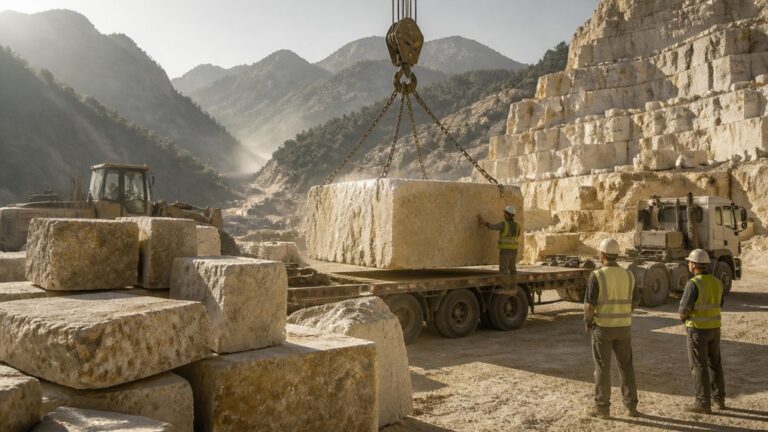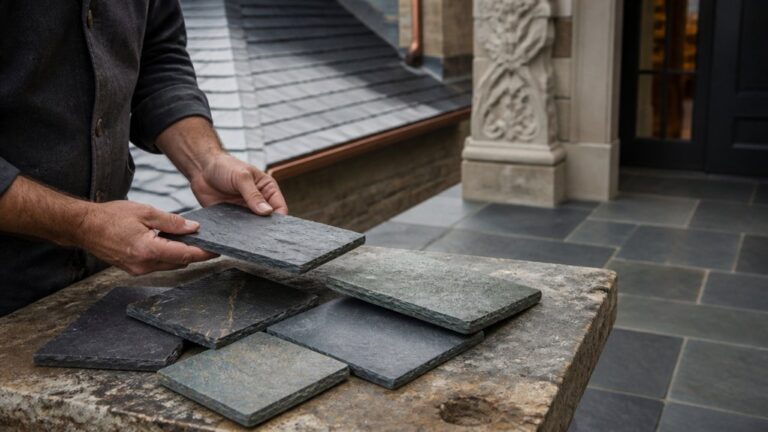

When we source premium limestone for a heritage restoration or modern development, we balance appearance with performance, quarry provenance, and delivery requirements. We start by confirming where the stone will be used, how it will be exposed to weather, the required finish, and how much natural color and texture variation is acceptable. In the Mountain West, freeze-thaw cycles, snow, wind, strong UV exposure, and elevation can affect stone selection and installation. We review durability, water absorption, color consistency, quarry records, and supplier documentation, then compare samples in the intended lighting and, when possible, against a wet sample. As stone and marble masons based in Casper, Wyoming, we take projects from quarry to completion, including sourcing and cutting stone, building, and finishing interiors. Installation requirements and applicable permits, inspections, and building codes vary by state and county.
Set Your Limestone Project Requirements

Before we contact suppliers, we define what your limestone needs to do and where it will be installed. We’re Bluestone Masonry & Construction, a Casper, Wyoming, team of stone and marble masons founded in 2013. We take projects from quarry to completion across Wyoming, Montana, Colorado, Idaho, Utah, Nebraska, and South Dakota—sourcing and cutting stone, building, and finishing interiors.
List each application, such as façade panels, flooring, steps, or replacement blocks. Record dimensions, thicknesses, edge profiles, and finish requirements. These details affect fabrication, installation, and performance. For exterior work in the Mountain West, we also consider freeze-thaw exposure, snow and ice, wind, altitude, and strong UV. Limestone can vary in porosity and durability, so the specific stone and finish should suit the site and intended use.
For heritage work, document the existing stone’s color, surface texture, joint pattern, and any matching constraints. For new construction, describe the intended color range and acceptable variation between batches. Include quantities, delivery phases, fabrication tolerances, and installation dates. If the stone will be used on a structural or load-bearing element, confirm design requirements with the appropriate licensed professional. Permits, inspections, and local building codes may also apply; requirements vary by state and county.
Note any sourcing preferences, such as quarry provenance, regional supply, or traceability documents. Share drawings, photographs, and a written specification so we can compare suitable materials, request clear supplier quotes, and confirm availability.
Check Limestone Durability and Performance
How will the limestone perform in its actual setting? We match the stone to expected loads, exposure, and maintenance needs, paying close attention to the freeze-thaw cycles, snow, wind, and strong UV exposure common across the Mountain West.
> We match limestone to expected loads, exposure, and maintenance needs, accounting for the Mountain West’s demanding climate.
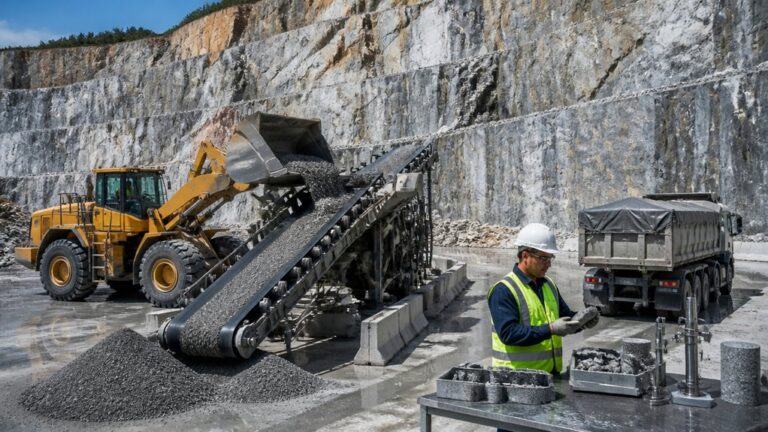
We recommend reviewing test results for freeze-thaw durability, water absorption, compressive strength, and abrasion resistance. For exterior work, consider how moisture and temperature swings may affect the stone and its finish.
For floors, check abrasion resistance against expected foot traffic and plan for routine cleaning and sealing as appropriate. Test methods and sample sizes matter, so compare the reports—not just general claims—with project specifications and applicable standards.
We also ask for quarry-specific test reports and confirm that the supplied stone comes from the tested source. Limestone can vary between quarries and even within a quarry, so verify that the tested material represents the blocks selected for your project. These checks help us reduce failure risks and plan practical maintenance.
Compare Limestone Colors and Finishes
Once we understand the project’s performance requirements, we compare limestone colors and finishes with the building’s design, natural light, and surrounding materials. Limestone ranges from cool gray and blue-gray to warm cream, buff, and gold. We recommend reviewing full-size samples both outdoors and indoors: daylight, shadow, and interior lighting can change how a stone reads. Check several pieces for veining, fossil content, and natural variation, especially where the limestone will meet other stone or masonry.
Finish affects both appearance and upkeep. Honed limestone has a smooth, subdued surface; brushed or sandblasted finishes add texture and reduce glare. In the Mountain West, consider how the finish will handle windblown grit, snow, and freeze-thaw exposure. We match the finish to the intended look, location, and maintenance plan, and confirm that the selected stone and installation details suit the project’s conditions.
Check Quarry Origins and Responsible Sourcing
We start by asking where the limestone was quarried and whether the supplier can document its origin. Request the quarry name and location, extraction records, and batch documents that connect the stone to that specific source. The records should show traceability from extraction through processing, including any changes in ownership or location.
Ask for quarry, extraction, and batch records to verify the limestone’s origin and trace its journey through processing.
For responsible sourcing, review the quarry’s permits, environmental management plans, and records of compliance with local labor and land-use requirements. Ask how the operation manages waste and water use and limits impacts on nearby habitat. Confirm that the documents cover the limestone you’re considering—not just the supplier’s general practices.
We keep quarry and batch records with the project’s material specifications so the stone’s origin can be checked during construction or later maintenance. Requirements for permits and documentation vary by state and county, so verify what applies to your project.
Compare Suppliers, Samples, and Delivery Times
Compare suppliers on stone grade, color consistency, finish, documentation, price, and lead time—not price alone. We source and cut stone as part of our work from quarry to completion, so we know that a sample needs to represent the material you’ll actually receive. Ask for samples from the proposed quarry and batch, then view them in the project’s lighting. Confirm that the stone grade and finish suit the location: for example, some stones absorb more moisture or show wear more readily, which matters in areas exposed to snow, freeze-thaw cycles, strong UV, or wind.
- Compare samples side by side for veining, color, thickness, and surface texture. Check whether the finish provides suitable traction for exterior steps or walkways, and approve a reference piece before ordering.
- Ask each supplier to document dimensional tolerances, expected batch variation, packaging, and procedures for replacing damaged stone. Confirm responsible sourcing records and how the stone should be sealed, cleaned, and maintained.
- Check delivery dates against fabrication and installation schedules. Confirm stock availability, shipping route, customs requirements where applicable, and contingency dates in writing. For exterior work, coordinate delivery and installation with weather conditions and any site or structural requirements.
A clear comparison helps protect the design, manage costs, and reduce schedule gaps. We’re the Bluestone Masonry & Construction team, based in Casper, Wyoming, and have worked in high-end construction across the Mountain West since 2013. For projects involving structural stonework, permits, inspections, or local building codes, requirements vary by state and county; a licensed professional, such as a structural engineer, may be required.
Frequently Asked Questions
Can Limestone Be Repaired if It Chips or Cracks After Installation?
Yes. We can often repair chipped or cracked limestone after installation, but the right method depends on the damage and the stone’s location. We clean the area, check how deep the damage goes, and use a color-matched stone filler for small chips. Hairline cracks may be repairable with a suitable resin; cracks that move, extend through the stone, or affect a load-bearing element need professional assessment and may require replacement. Outdoors, we also check for water entry and freeze-thaw damage, since a surface repair alone will not fix the cause.
How Should Limestone Surfaces Be Cleaned and Maintained?
Clean limestone with warm water, a soft cloth, and a pH-neutral cleaner made for natural stone. Limestone is relatively soft and can be etched by acidic products, including vinegar and many household cleaners, so avoid acids, abrasive pads, and harsh chemicals. Blot spills promptly rather than wiping them, which can spread liquid across the surface. Rinse away cleaner residue and dry the stone to help prevent water marks.
We recommend following the cleaner and sealer manufacturers’ instructions, resealing when the stone’s condition and use call for it, and regularly checking the surface and grout for wear or damage. In Mountain West locations, also watch for moisture that can freeze in exterior stone or joints. Choose products suitable for the specific limestone and its exposure, and address damaged grout or drainage issues before water gets into the assembly.
Does Limestone Need Sealing After Installation?
Yes. We recommend sealing limestone after installation to help reduce staining and moisture absorption, but wait until the stone and setting materials have cured according to their manufacturers’ instructions. Sealing too soon can trap moisture and affect the finish or sealer performance.
Choose a sealer labeled for limestone, and test it on an inconspicuous area first. Sealing can reduce absorption, but it does not make limestone stain-proof or prevent freeze-thaw damage. In Wyoming and other Mountain West climates, keep exterior stone well drained and follow the sealer manufacturer’s maintenance guidance.
Can Limestone Be Used With Underfloor Heating?
Yes. Limestone can work well with underfloor heating because it conducts and retains heat effectively. We recommend using sound, properly graded stone and a compatible flexible adhesive and grout over a suitable heating system. Follow the system manufacturer’s installation requirements, and bring the floor up to temperature gradually after installation to limit thermal stress. Proper substrate preparation and movement joints also help reduce the risk of cracking.
What Should I Do if the Delivered Limestone Differs From the Approved Sample?
If delivered limestone differs from the approved sample, pause installation and photograph the stone in consistent lighting. Compare color, veining, texture, finish, thickness, and edge details against the approved sample and project specifications. Natural limestone varies from piece to piece, but differences beyond the agreed range can affect the finished appearance and may signal a mismatch in stone, finish, or batch.
Record the delivery date, supplier, batch or lot details, and the affected pieces. Contact your supplier promptly and request an inspection and a written plan for sorting, replacement, or other resolution. Keep the stone protected from moisture and freeze-thaw exposure while the issue is reviewed. We recommend holding off on cutting or installing disputed pieces until the supplier confirms how to proceed. As stone and marble masons serving the Mountain West, we know that color and surface differences can look more pronounced under strong UV, snow glare, and changing outdoor light.