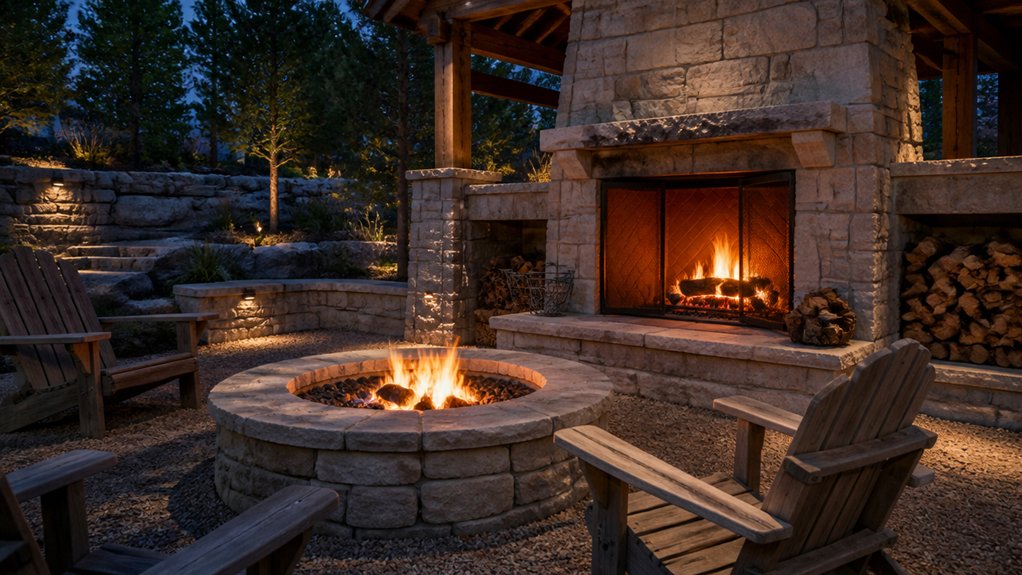
A stone fire pit or outdoor fireplace can anchor a patio and make gatherings more comfortable, but the right design depends on how you use the space and how it will handle Mountain West conditions. We’re Bluestone Masonry & Construction, a stone and marble masonry team based in Casper, Wyoming. Since 2013, we’ve taken projects from quarry to completion—sourcing and cutting stone, building, and finishing interiors across Wyoming, Montana, Colorado, Idaho, Utah, Nebraska, and South Dakota.
Before choosing a style, consider heat direction, seating, prevailing wind, traffic paths, stone durability, and required clearances. Freeze-thaw cycles, snow, strong UV exposure, and high-altitude conditions can affect material selection and installation. We also recommend checking local building codes and permit requirements; rules vary by state and county, and some projects may require inspections or licensed professionals. Careful planning helps reduce smoke problems, masonry damage, and safety risks, starting with the fire feature’s location.
Compare Stone Fire Pit and Fireplace Styles
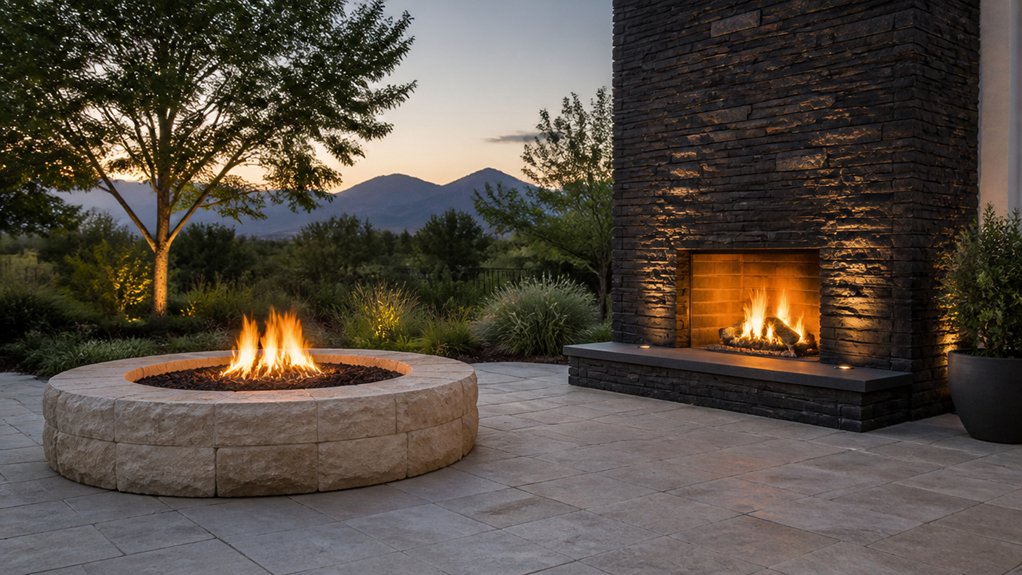
We help homeowners choose a layout based on how they gather and how people will move through the yard. A circular stone fire pit offers an open, social arrangement, with seating around several sides. A stone fireplace directs heat and views toward the seating area, making it a natural focal point against a wall or at the edge of a patio.
Consider circulation, visibility, and access to seats before settling on either design. Plan paths so guests don’t need to cross the fire’s hot zone, and keep exits clear. Allow safe separation from buildings, overhead branches, and combustible furniture. In windy, exposed Mountain West settings, the feature’s orientation and wind protection also matter.
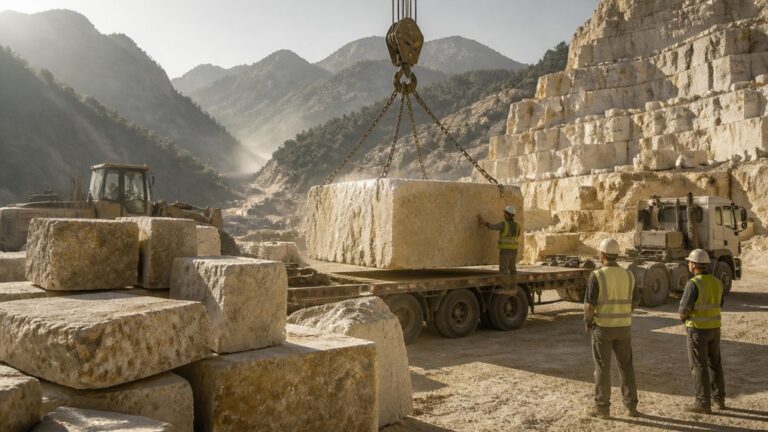
Stone selection and construction affect how well the feature handles local conditions. Dense, frost-resistant stone is generally a better choice for repeated freeze-thaw cycles than porous stone that can absorb water. We account for drainage, a stable foundation, snow loads where applicable, and strong high-altitude UV exposure when planning the build. We can take a project from quarry to completion, including sourcing and cutting stone, construction, and interior finishing.
Dense, frost-resistant stone, proper drainage, and a stable foundation help fire features withstand Mountain West conditions.
Permit, inspection, and code requirements vary by state and county. Check local rules before construction; a licensed professional, such as a structural engineer, may be required for some designs.
Choose the Right Stone Fire Feature
Once you’ve settled on a layout, we can help match the fire feature to your space, fuel choice and maintenance expectations. A fire pit works well in an open seating area. An outdoor fireplace can direct heat and smoke, but it needs more clearance and a properly designed foundation and chimney. In windy or snowy Mountain West conditions, placement, wind exposure and snow loads deserve particular attention.
Before choosing, consider:
- Footprint and clearances: Measure the full installation area, including seating and access. Follow the appliance manufacturer’s required clearances from buildings, trees and furnishings. Check local codes as well; requirements vary by state and county.
- Fuel and upkeep: Wood provides a traditional flame but requires firewood storage and ash cleanup. Gas offers convenient control, but the burner, gas line and connections must be approved and installed by qualified professionals.
- Stone and heat: Not every stone is suitable beside a flame. We assess the stone’s heat tolerance, absorption and freeze-thaw durability, along with its compatibility with the burner and firebox. Dense, properly selected stone can perform well outdoors, but installation details and exposure matter. Some stones can crack or spall when moisture is trapped and then freezes.
- Surface finish: A smoother finish is generally easier to clean, while a textured finish can provide better grip around the hearth. Choose a finish that suits the location and is practical to clear of snow and ice.
We take projects from quarry to completion, including sourcing and cutting stone, building and finishing interiors. As stone and marble masons based in Casper, Wyoming, we work across Wyoming, Montana, Colorado, Idaho, Utah, Nebraska and South Dakota. For an outdoor fire feature, we also account for local wind, altitude, UV exposure and winter conditions when planning materials and installation.
Confirm permits, inspections, ventilation and installation requirements before construction. Depending on the project and location, licensed tradespeople or a structural engineer may be required. Use only materials listed for their intended proximity to flames.
Choose Stone, Shape, and Finish for Your Patio
Choose patio stone, shape and finish based on how you’ll use the space, your site conditions and the demands of a Mountain West climate. We’re stone and marble masons based in Casper, Wyoming, and we consider how each material will handle freeze-thaw cycles, snow, wind, altitude and strong UV exposure.
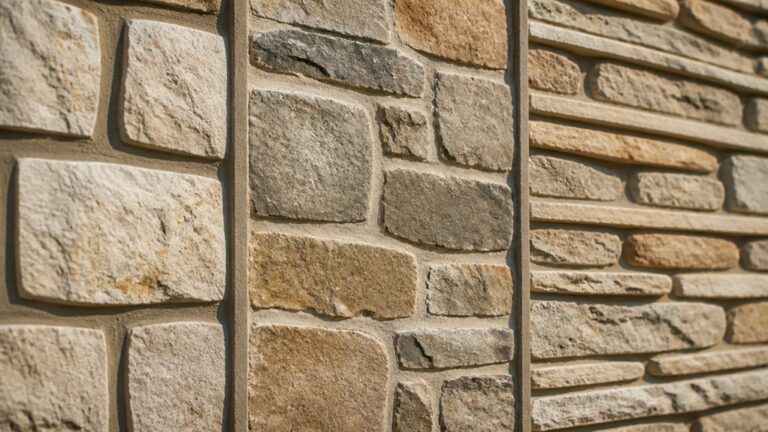
Dense, low-porosity stone absorbs less water, which can reduce freeze-thaw damage, but the stone still needs to be suitable for outdoor use and properly installed. Natural stone varies by type and source, so we check its durability, thickness and finish before specifying it. Concrete pavers can provide a consistent, stable surface when installed over a properly prepared, compacted base with effective drainage. Near a fire feature, choose stone rated for the expected heat; not every stone or sealer is suitable for repeated heat exposure.
Match the patio’s shape to your yard, access points and drainage pattern. Plan the slope and base so water moves away from the house and doesn’t collect beneath the paving, where it can freeze. Local soil, wind exposure and site conditions can affect the base and installation details.
For traction, textured or flamed finishes generally provide better grip when wet or snowy than polished stone. They may also hold more dirt, so consider how the surface will be cleaned and maintained. Use a sealer only if it’s compatible with the stone, outdoor conditions and any nearby heat source. We can help coordinate the work from quarry selection and stone cutting through construction and finishing, and we recommend confirming applicable permits, inspections and local code requirements with the relevant professionals.
Plan Seating and Clearances Around Your Fire Feature
Arrange seating so guests can talk comfortably without narrowing walkways or blocking access to the fire feature. Keep chairs, cushions, and other combustible materials at least as far from the fire as the manufacturer’s instructions and local code require. Check the likely paths of heat, sparks, and smoke, especially in windy conditions, and keep them clear of structures, plants, and overhead materials. In the Mountain West, account for shifting winds and snow buildup when planning clearances and access. Permit and inspection requirements vary by state and county, so confirm local rules before installation.
Arrange Seating for Conversation
We recommend placing seats close enough for easy conversation, but far enough from the fire feature to avoid excessive heat or smoke. Follow the appliance manufacturer’s clearance requirements and local fire codes. Wind, altitude, and the fire feature’s heat output can all affect comfort, especially on exposed Mountain West sites.
Plan the seating around how people will talk and move:
- Face chairs toward one another, with a view of the fire but not every seat aimed only at the flames.
- Arrange chairs in a shallow arc around a fire pit so guests can see and hear one another.
- Place outdoor sofas in pairs to form comfortable conversation areas.
- Keep a clear path between the seating and the entrance, without requiring guests to squeeze between chairs.
Before hosting, test the arrangement and adjust seats if smoke blows toward people. In Wyoming and other Mountain West locations, also consider prevailing winds, snow storage, and slippery surfaces when choosing where to place seating. If the layout involves a built-in fire feature, we can coordinate the stonework with the appliance requirements and applicable local codes.
Maintain Safe Clearances
Maintain the clearances specified by your fire feature’s manufacturer and local fire codes. Requirements vary by appliance, fuel type, and jurisdiction, so check applicable permits, inspections, and codes before installation. Measure from the firebox or burner to seating, walls, railings, overhangs, and nearby vegetation. Follow the listed clearances for combustible materials; stone or marble facing doesn’t make wood framing or trim behind it safe from heat.
Keep chairs far enough away to limit exposure to radiant heat and sparks, while leaving clear paths to exits. In the Mountain West, account for wind that can carry embers toward furniture, structures, or dry plants. Recheck clearances after rearranging seating, and keep an appropriate fire extinguisher accessible. As stone and marble masons serving Wyoming and neighboring states, we also recommend confirming the fire feature’s installation details with the manufacturer and a qualified professional.
Follow Essential Stone Fire Feature Safety Rules
Choose a level, stable location for your stone fire feature, well clear of buildings, overhanging branches and dry vegetation. Follow the manufacturer’s clearance requirements and check local fire and building codes; permits or inspections may be required, and rules vary by county and state. Keep a charged fire extinguisher, water source or other suitable fire-suppression equipment within easy reach. In the Mountain West, account for prevailing winds and seasonal conditions, including dry vegetation, snow and freeze-thaw cycles, when selecting the site and planning maintenance.
Choose A Safe Location
Where we place a stone fire feature affects its safety, performance and service life. In Wyoming and across the Mountain West, we account for strong winds, intense UV exposure, snow and freeze-thaw cycles when choosing a site. Before installation, check local fire codes, permit and inspection requirements, and the manufacturer’s instructions. Requirements vary by state and county.
Use these location checks:
- Safe setbacks: Keep the feature clear of buildings, fences, overhead branches and other combustible materials. Follow the required clearances for the appliance and its fuel type.
- Wind and smoke: Observe wind patterns at the site, including gusts. Position the opening so smoke and embers are less likely to blow toward people, structures or dry vegetation. Wind exposure can also affect flame stability and how well the feature operates.
- Ground and drainage: Set the feature on firm, level, noncombustible ground that can support its weight. Plan for drainage so water doesn’t collect beneath or around the stone; repeated freezing and thawing can damage both masonry and its base.
- Access and clearance: Keep a clear route for users and emergency response. Avoid narrow passages, overhanging vegetation and locations where snow storage could block access or bring snow against the feature.
- Stone and installation: Stone type, thickness, jointing and the firebox design all affect durability. Some stones can crack or spall under direct heat or moisture, so use materials and installation details suited to fire exposure and the local climate. We source, cut, build and finish stone as part of our work from quarry to completion; for a fire feature, we coordinate the masonry with the appliance requirements.
Reassess the site as landscaping, drainage and wind exposure change. If the installation involves structural work or local code requirements are unclear, consult the relevant building department and qualified licensed professionals.
Maintain Proper Clearances
Because heat, sparks, and embers can travel beyond the firebox, follow the clearances specified by the appliance manufacturer and local fire code. Measure from the fire feature’s outer edge to buildings, fences, trees, overhead structures, and other combustible materials. Stone nearby doesn’t automatically make an area safe: masonry can conduct heat, and wind can carry embers beyond the immediate fire area.
Check the appliance’s clearance requirements and confirm local restrictions before installation or use. Keep the specified distances on every side and above the unit, including after adding seating, décor, or seasonal items. In the Mountain West, wind and changing weather can affect how embers travel, so recheck clearances whenever you change the layout. Permit and inspection requirements vary by state and county; consult local officials and qualified professionals as needed.
Keep Safety Equipment Nearby
Before lighting a stone fire pit or outdoor fireplace, we recommend placing a charged garden hose or a suitable fire extinguisher within easy reach. Set up safety equipment before adding fuel, and keep it visible, unobstructed and ready to use. Wind and dry conditions common across the Mountain West can carry sparks beyond the fire area, so keep the hose or extinguisher accessible without placing it near heat or creating a trip hazard.
- Choose an extinguisher rated for the fuels and fire risks present. Check its pressure gauge and expiration date, and follow the manufacturer’s instructions.
- Keep a bucket of sand nearby to smother small fires or embers when water isn’t appropriate.
- Store equipment away from flames and heat, but close enough to reach immediately.
- Show household members how to use each item and when to call emergency services.
Never leave a fire unattended, even when safety equipment is nearby. Stone can retain heat after the flames die down; let the fire pit or fireplace cool fully before handling or cleaning it. We’re Bluestone Masonry & Construction, stone and marble masons based in Casper, Wyoming. Since 2013, we’ve worked on high-end construction across the Mountain West, taking projects from quarry to completion.
Maintain Your Stone Fire Feature for Years of Use
We recommend inspecting your stone fire feature before each burning season. Check the stones, mortar joints, and firebox for loose masonry, open cracks, or signs of water damage. Freeze-thaw cycles, snow, and wind can worsen small defects, so repair them before use with materials rated for the temperatures and exposure involved. If the firebox or supporting structure has shifted, have a qualified masonry professional assess it.
Let ash cool completely before removing it, and keep air vents and drainage paths clear. Avoid deicing salts and harsh cleaners, which can damage stone and mortar. When the feature is dry and not in use, cover it to limit snow and rain exposure, but leave enough airflow to prevent moisture from being trapped against the masonry. Follow the manufacturer’s instructions for fuel, cleaning, and operation; requirements for permits and inspections vary by state and county. These routine checks help us keep stonework sound and fires safer through Mountain West winters and summer sun.
Frequently Asked Questions
Do Stone Fire Pits Require Permits in My Area?
Permit requirements for a stone fire pit vary by city and county across Wyoming and the surrounding Mountain West. Before building, check local zoning rules and ask your fire department whether the pit needs a permit or inspection. Requirements may depend on fuel type, size, location, clearance from structures and property lines, and local fire restrictions. We recommend confirming the rules before selecting stone or starting construction; freeze-thaw conditions, wind exposure, and safe clearances also affect the design.
Can I Cook Food Over a Stone Fire Pit?
Yes, we can build a stone fire pit for cooking, but the materials and setup need to be right. Use a food-safe cooking grate and clean-burning, untreated wood. Keep the fire controlled, and cook over hot coals rather than placing food in uncontrolled flames.
Not every stone is suitable for direct heat. Some stone can crack or spall when heated, especially if it contains moisture or is exposed to repeated heating and cooling. We select and install stone with the fire pit’s heat exposure in mind, and we avoid cooking on stone that has been sealed, treated or finished with products not rated for food contact and high heat.
In Wyoming and the wider Mountain West, freeze-thaw cycles, snow and wind also affect the pit’s design and maintenance. Keep the fire pit clear of snow and standing water, and check the stone and joints for damage before use. Local permits, inspections and code requirements vary by state and county, so confirm what applies before building.
Which Fuel Types Work With Outdoor Stone Fireplaces?
We build outdoor stone fireplaces to burn seasoned hardwood, propane, or natural gas, depending on the firebox and burner design. Wood-burning units need a properly sized firebox and chimney; gas units require a compatible burner, gas line, and ventilation. At Mountain West elevations, wind and cold can affect flame performance, so we account for site exposure and the manufacturer’s requirements during installation.
Use only fuel approved for the appliance. Never burn treated wood or household waste, and keep stone and vent clearances as specified by the manufacturer. In our freeze-thaw climate, proper drainage and weather-resistant materials help protect the fireplace; cover and maintain gas components as recommended. Permits, inspections, and code requirements vary by state and county, so check with local officials and use licensed professionals where required.
Can I Convert a Wood-Burning Fire Pit to Gas?
Yes, a wood-burning fire pit can sometimes be converted to gas, but the pit must be suitable for the change. We recommend using a listed conversion kit approved for the fire pit and fuel type; not every wood-burning design can safely accommodate a gas burner. A licensed gas professional should handle the conversion, connect the natural-gas or propane supply, and check ventilation, clearances, and local code requirements. Permits or inspections may be required, and rules vary by state and county. In the Mountain West, also account for wind, snow, and freeze-thaw exposure when selecting and installing components.
How Much Does Professional Fire Feature Installation Cost?
Professional fire feature installation costs vary with fuel type, stone or masonry selection, site preparation, utility connections, and permit requirements. We assess each project individually, including clearances, drainage, and exposure to wind and snow. In the Mountain West, freeze-thaw cycles and strong UV can affect material choice and long-term maintenance. Installation time depends on the design and site conditions. Permits, inspections, and licensed professionals may be required; codes vary by state and county.