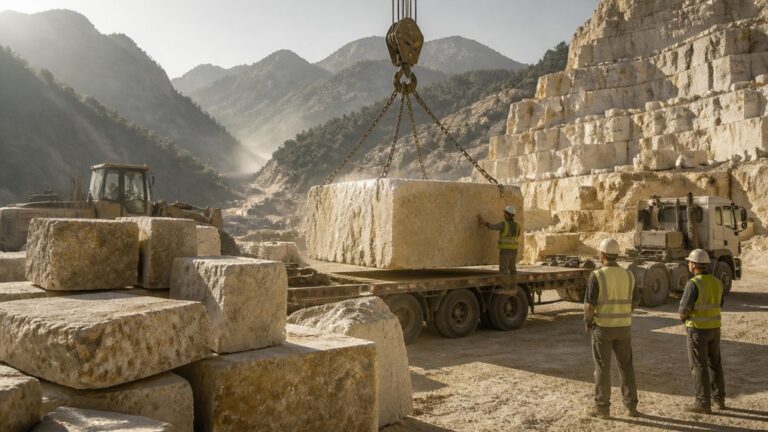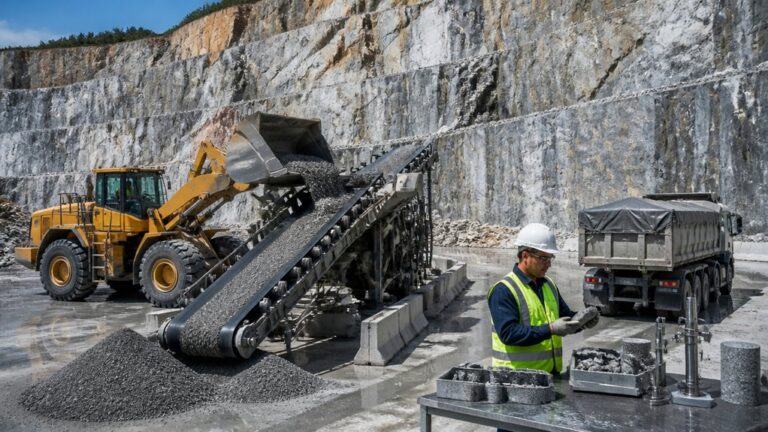
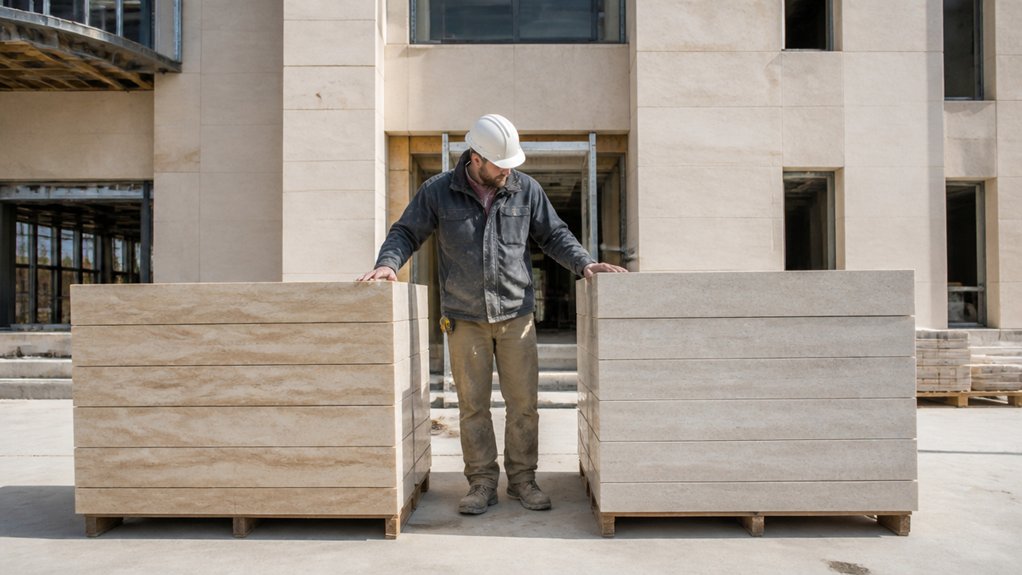
On a large project, stone from different production batches can vary in color, veining, and texture. Those differences become more noticeable across connected floors, long walls, and façades. We recommend coordinating batch selection early and, when possible, reserving enough material from one batch for the full installation. This can reduce sorting, rework, and delays, but it does not guarantee a uniform appearance. Lighting, stone orientation, joint layout, and slab selection all affect the finished result.
As stone and marble masons based in Casper, Wyoming, we take projects from quarry to completion: sourcing and cutting stone, building, and finishing interiors across Wyoming, Montana, Colorado, Idaho, Utah, Nebraska, and South Dakota. We review the material and installation conditions together, including exposure to wind, UV, snow, and freeze-thaw cycles, so the stone and setting details suit the project. Exterior assemblies may also need to meet local building codes and permit or inspection requirements, which vary by state and county; structural questions may require a licensed engineer.
Why Matching Stone Batches Matter
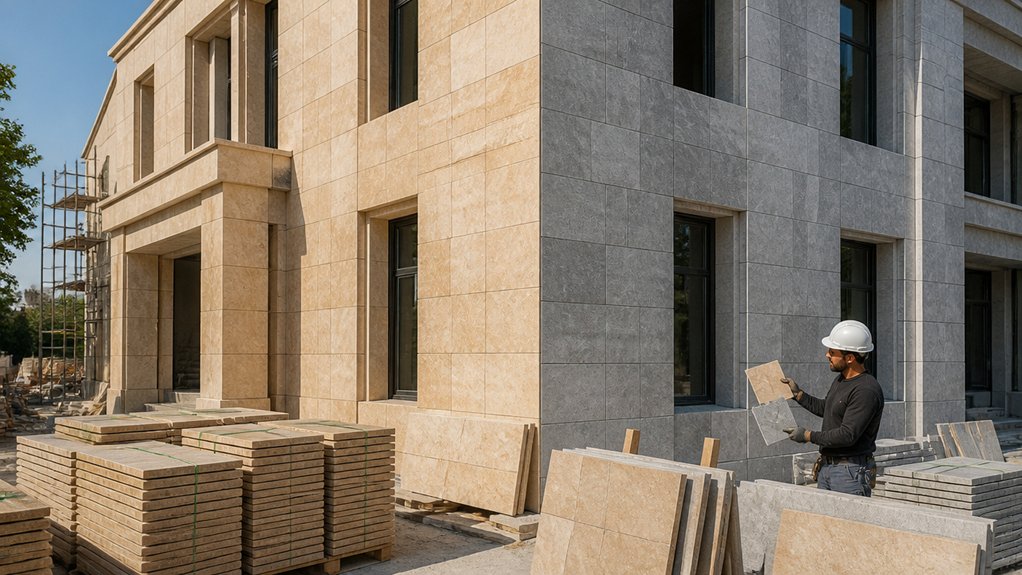
Matching stone batches matters because natural stone varies in color, veining, and texture from one quarry lot to another. We confirm the selected stone against approved samples and reserve enough material from the same lot for the full scope, including cuts, waste, and future repairs.
This is especially important across connected surfaces, such as adjoining rooms, long walls, or exterior elevations. Combining unmatched batches can create abrupt transitions, and replacement pieces may remain visibly different after installation. Before work begins, we check batch labels on crates and delivery records so we can verify each shipment and keep material organized.
For exterior stone in Wyoming and the Mountain West, consistent sourcing also helps us plan cuts and placement around exposure to wind, UV, snow, and freeze-thaw cycles. Clear batch control reduces sorting, delays, and avoidable rework.
How Stone Batches Vary
Why stone batches vary
We expect natural stone to vary from batch to batch because each block forms under different geological conditions. Mineral concentrations, crystal size and color can shift—even within the same quarry. You may see changes in background hue, from subtle tonal differences to more noticeable color variation. Veins can also change in thickness, direction, density and contrast, so veining may not line up consistently across slabs.
Finishing methods and lighting affect how those differences appear. When we help you review material, we recommend comparing full slabs under consistent light and considering how the pattern will fall across your project’s dimensions. For a continuous installation, we plan slab placement and cuts to manage transitions; small variations are part of natural stone, while larger shifts may be more noticeable. We source and cut stone as part of our work from quarry to completion, and we can help you select and lay out material with the finished installation in mind.
How to Reserve Matching Stone Batches
We calculate the stone needed for the full project, allowing for cuts, breakage, installation waste, and future repairs. Then we reserve enough from one production batch to keep color and texture as consistent as the stone allows.
Natural stone varies, so we review the batch before installation and plan cuts to distribute noticeable differences across the work.
We also coordinate delivery so the reserved material is on site before installation begins.
Estimate Project Quantities
To reserve enough stone from one production batch, we calculate the full installed area and add an allowance for cuts, breakage and future repairs. We measure each surface separately, including returns, stairs, niches and other details that increase cutting demand. Then we convert the measurements to the supplier’s ordering unit and total the quantities without rounding down.
The right allowance depends on the stone format, layout, cutting plan and site conditions. Complex patterns, irregular stone and tight-fitting details generally require more material. We review drawings alongside field measurements and consider how the stone’s color and texture may vary between batches. Keeping suitable leftovers can help with future repairs, but a later batch may not match exactly.
We document the measurements and assumptions so the order reflects the actual scope. For exterior work in Wyoming and the surrounding Mountain West, we also consider freeze-thaw exposure, snow and wind when reviewing the installation details. Depending on the project, permits, inspections, local building codes or input from a licensed professional may be required; requirements vary by state and county.
Reserve From One Batch
Once we’ve confirmed the project quantity, we ask the supplier to reserve the full order from one production batch, including extra material for cuts and breakage. We record the stone type, finish, thickness, and lot identifier in writing, and get confirmation that the reservation excludes substitutions and duplicate allocation of the same inventory.
- Check that the lot number matches on every crate and invoice. This helps us trace the material from the supplier through cutting and installation.
- Request current slab or tile photos before release. Natural stone varies within a batch, so we review the visible color, veining, and other variation against the project’s expectations.
- Clarify any confidentiality requirements for restricted projects and confirm how batch information and photos may be shared.
- Record reserved quantities by room, elevation, or installation zone so we can organize cutting and track material through completion.
If one batch can’t cover the full quantity, we request a written shortfall and review samples from any proposed alternative lot under consistent lighting before approving it. We don’t rely on product names alone; lot records and sample comparisons help us manage variation and maintain traceability from quarry to completion.
Confirm Delivery Timing
Confirm the delivery schedule before the supplier releases the reserved stone. We coordinate delivery with your installation sequence, site access, and protected storage capacity. Ask the supplier to confirm the stone type, batch quantity, pallet count, and ship date in writing. If the order includes natural stone, confirm that all shipments will come from the same reserved lot; color and veining can vary between lots.
We work with your contractor and carrier to allow enough time for loading, transit, and unloading. In the Mountain West, weather, wind, snow, and site conditions can affect access and delivery timing, so build in reasonable contingency time. Avoid early arrivals that leave stone exposed to freeze-thaw, moisture, or UV, or that crowd the work area. For phased deliveries, confirm that the supplier can hold the remaining material and keep it from the same lot. Reconfirm the schedule and unloading plan before dispatch.
Where Batch Differences Stand Out
We look most closely for batch differences where stone surfaces meet, repeat, or catch direct light. Natural stone can vary in color, veining, and pattern from one slab to the next. Large installations make those changes easier to see, especially when adjoining pieces come from different batches.
- Long counters: Color and veining can shift along an uninterrupted run, with changes most noticeable at seams. Before fabrication, we review slab layout and seam placement to make transitions as deliberate as possible.
- Feature walls: Repeated panels can reveal differences in vein direction, density, or contrast. Dry-laying or templating the pieces first helps us check the pattern before installation.
- Floor fields: Broad, open areas make tonal changes and pattern breaks more apparent. In Mountain West settings, we also consider the stone’s suitability for freeze-thaw exposure, snow, and tracked-in moisture.
- Staircases: Treads and risers put separate pieces close together and within easy view. We check their markings and orientation, as well as the stone’s finish and slip resistance for the intended use.
These areas draw attention because sightlines connect several pieces at once. We plan stone selection, cutting, and placement from quarry to completion to support a consistent visual flow, while allowing for the natural variation that makes each piece distinct.
What to Check Before Installation
Before installation, we check that each slab’s batch number matches the approved material schedule. We lay out the stone under consistent lighting and compare the color and veining of adjacent pieces, since natural variation can become more noticeable once slabs are installed. We flag any mismatch before cutting or setting begins, when adjustments are still practical.
Verify Batch Numbers
Check the batch number on every crate, pallet, and stone bundle against the supplier’s packing list and your project records before we open or distribute the material. As stone masons working from quarry to completion, we track each batch to help maintain consistent color across installation areas and prevent unplanned mixing. Natural stone can vary in color and veining between batches, so confirm the match before installation.
- Record each batch code, quantity, and storage location in the receiving log.
- Compare crate labels with the invoice, packing slip, and approved purchase order.
- Flag missing, duplicated, or conflicting codes, and request written confirmation from the supplier.
- Keep labels and photographs linked to each storage location until installation.
If the codes don’t match, set the affected material aside and resolve the discrepancy before releasing it to the crew. Keep stone dry and protected from snow, wind, and freeze-thaw exposure while it’s on hold. Don’t rely on handwritten notes alone.
Inspect Color And Veining
Before installation, we verify the batch numbers and inspect the stone under consistent lighting. We lay slabs or tiles side by side in their planned sequence and compare base color, undertones, and veining. We also consider how daylight and the project’s installed lighting will affect the stone’s appearance.
We check each piece for veining direction, density, width, and contrast, noting prominent features that could interrupt continuity across seams. Polished and honed pieces need separate review because the finish changes how color and patterns read. We photograph the approved layout and mark each piece’s position before cutting.
If a piece falls outside the project’s accepted range, we set it aside and confirm that any replacement matches the approved material. This careful review helps us plan the layout and avoid surprises during installation.
What to Do if Matching Slabs Run Short
If matching slabs run short, we pause fabrication and check the remaining inventory against the approved layout before making substitutions. A mismatch can be especially noticeable in large kitchen runs, fireplace surrounds, and book-matched walls. First, we determine whether the shortage affects a prominent surface or only a concealed area, such as a cabinet return.
Pause fabrication when slabs run short, then assess whether the mismatch affects a prominent surface or a concealed area.
Then we:
- Reconcile slab tags, dimensions, and cut tickets with the nesting plan. We look for usable offcuts, but confirm that their size, veining, and finish suit the intended location.
- Contact the supplier to check for slabs from the same batch. We verify availability, condition, and lead time before changing the fabrication schedule.
- Compare any proposed slabs under consistent lighting. Similar finishes don’t guarantee matching color or veining. Natural stone varies from slab to slab, and quartzite, marble, and granite can each show distinct movement and color shifts.
- Submit proposed substitutions and revised layouts to the design team for written approval before cutting.
We document the decision, update the installation sequence, and label each approved replacement piece. If no acceptable match is available, we recommend revising the scope or schedule rather than installing a visibly inconsistent surface. For exterior stone in Wyoming and the surrounding Mountain West, we also check that any revised material and installation details suit local freeze-thaw exposure, snow, wind, and UV conditions. We coordinate with the project team as needed; permits, inspections, local codes, and licensed professionals may be required, and requirements vary by state and county.
Frequently Asked Questions
Can Different Stone Types Be Combined in One Design?
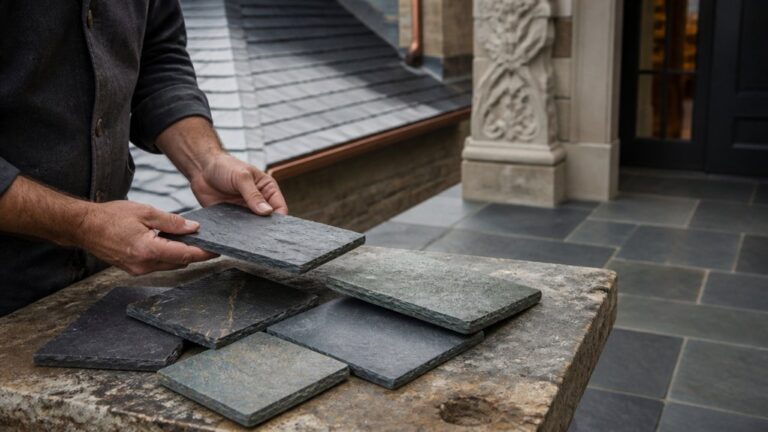
Yes. We can combine stone types in one design, but each stone needs to suit its location and use. Granite is generally dense and hard-wearing; limestone and marble can be more porous or sensitive to acids and abrasion. Slate varies by source, so its strength and suitability for exterior use should be confirmed before installation.
We compare color and finish in the project’s actual lighting, then coordinate thickness, edge profiles, joint widths, and installation methods. For exterior work in Wyoming and the Mountain West, we also consider freeze-thaw exposure, snow and wind loads, altitude, UV, drainage, and the stone’s moisture absorption. Proper setting materials, movement joints, and flashing help reduce the risk of cracking or water damage.
We take projects from quarry to completion, including sourcing and cutting stone, building, and finishing interiors. We’ll also explain how each material should be sealed, cleaned, and maintained. Depending on the project, permits, inspections, local codes, or a licensed professional such as a structural engineer may be required; requirements vary by state and county.
How Should Natural Stone Be Cleaned After Installation?
After installation, we clean natural stone with a pH-neutral stone cleaner, a soft cloth or mop, and clean water. We avoid vinegar, acidic cleaners, and abrasive pads, which can etch marble and other calcium-based stones or scratch polished finishes. Rinse away cleaner residue and dry the surface to reduce water spotting, especially on dark or polished stone.
Stone types respond differently: granite and many quartzites are generally more resistant to acids, but their sealers and finishes can still be damaged by unsuitable products. Follow the stone supplier’s care instructions, and test any cleaner on an inconspicuous area first. Before sealing, we confirm that the stone’s extraction and finish are consistent and that the surface is clean and fully dry. Sealing is not a substitute for routine cleaning, and the right sealer depends on the stone and its intended use.
Which Sealant Is Best for My Stone Surface?
We recommend a penetrating sealant made for your specific stone—not a one-size-fits-all product. Granite, slate, limestone, marble and sandstone vary in porosity, and a honed or textured finish may absorb sealant differently than a polished one. The right product can help limit water and stain absorption, but it won’t make stone waterproof or prevent damage from freeze-thaw cycles.
Before sealing, we check compatibility with the stone and any existing treatment, then test a discreet area for changes in color or sheen. Apply the sealant only under the temperature and moisture conditions specified by the manufacturer, and allow it to cure fully before exposing the surface to water, snow or heavy use. In Wyoming and the surrounding Mountain West, careful installation and regular inspection matter: wind-driven moisture, UV exposure and repeated freezing and thawing can all affect stone and its sealant. Follow the product’s maintenance guidance, since resealing needs vary by stone, finish, exposure and use.
How Often Should Stone Countertops Be Resealed?
We recommend testing stone countertops once a year and resealing when water darkens the surface instead of beading. The timing varies: granite often needs less frequent sealing than more porous marble or limestone, while some stones may not need a topical sealer at all. Use a sealer made for your specific stone, and follow its application and curing instructions. In kitchens and other heavily used areas, check more often for signs of absorption.
Can Damaged Stone Slabs Be Repaired?
Yes, many damaged stone slabs can be repaired, but the right approach depends on the stone, the type of damage, and whether the slab is structural. We inspect cracks, chips, stains, and movement before recommending a repair. Depending on the material and condition, options may include resin filling, careful polishing, reinforcement, or replacement if the slab’s integrity is compromised.
Freeze-thaw cycles, snow loads, UV exposure, and wind can worsen existing damage in the Mountain West, so the cause matters as much as the visible defect. We can assess the slab and explain which repair is likely to hold up in its setting. If the slab is load-bearing or part of a structural assembly, a licensed structural engineer may be needed; permit, inspection, and code requirements vary by state and county.