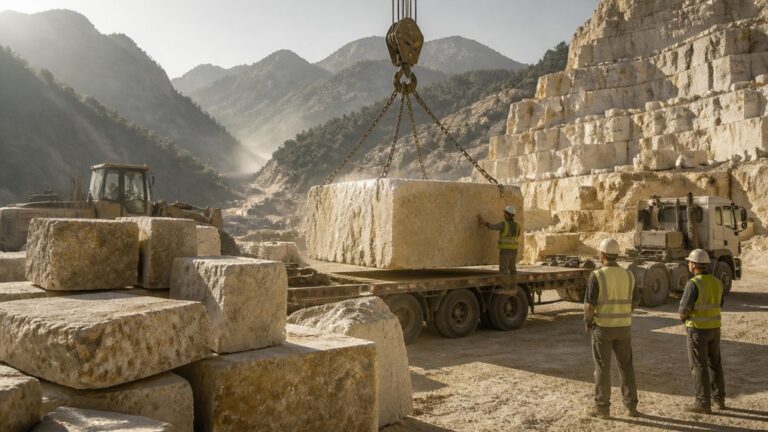
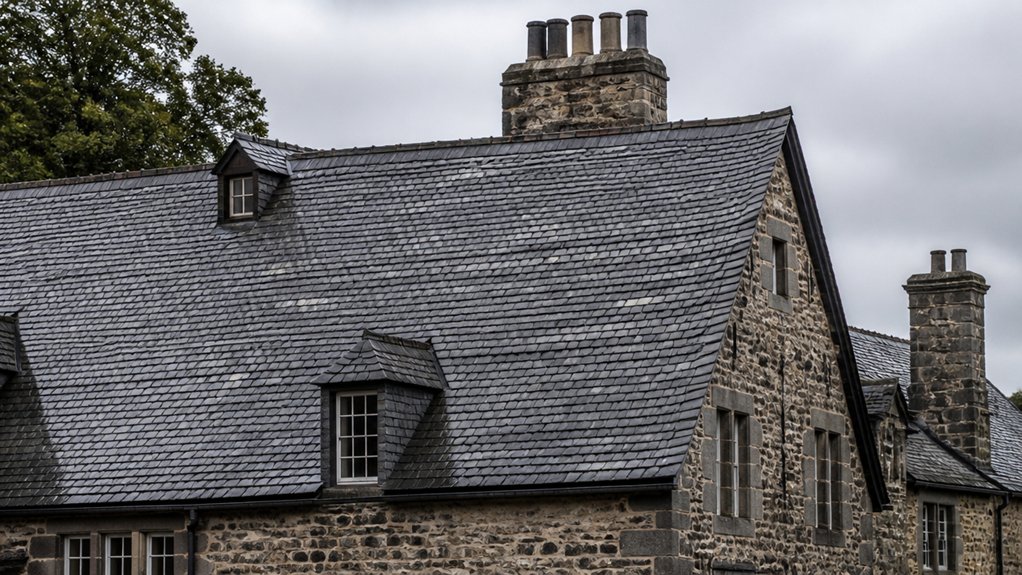
We’re the Bluestone Masonry & Construction team, stone and marble masons based in Casper, Wyoming. Founded in 2013, we work across Wyoming, Montana, Colorado, Idaho, Utah, Nebraska, and South Dakota, taking projects from quarry to completion. Slate’s dense, low-porosity structure helps it resist water, rot, insects, and fire. Properly selected and installed, it can also stand up to strong sun, temperature swings, wind, hail, and the freeze-thaw cycles common in the Mountain West.
Slate is heavy, so the roof structure must be checked to confirm it can carry the material along with expected snow loads. Installation also requires experienced roofers, suitable underlayment and flashing, and careful detailing around valleys, edges, and penetrations. Slate costs more upfront than many roofing options; the final cost depends on the stone, roof design, structural work, and installation. Local permits, inspections, and building codes may apply, and requirements vary by state and county. A qualified roofer and, where needed, a licensed structural engineer can help determine whether slate is suitable and what will support its long service life.
What Makes Slate Roofing So Durable?
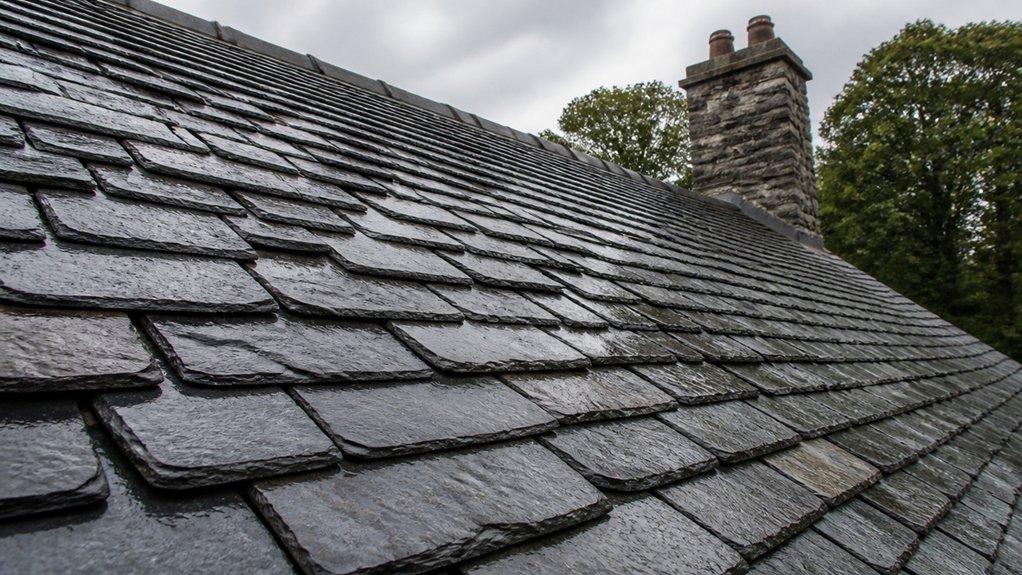
Slate is durable because heat and pressure formed it into dense, low-porosity layers that resist water absorption, rot, insects, and fire. Its mineral composition also stands up well to sunlight and temperature changes. In Wyoming and across the Mountain West, that matters—but freeze-thaw cycles, heavy snow, high-altitude UV exposure, and wind still make sound installation essential.
We recommend checking the whole roof system, not just the slate. Weak decking, poorly installed flashing, or unsuitable fasteners can undermine even high-quality stone. The roof structure must also be designed for the combined weight of slate and local snow loads; a structural engineer may be needed to confirm capacity. Inspect flashing, fasteners, and individual tiles regularly, and replace cracked or displaced pieces promptly. Permit, inspection, and code requirements vary by state and county, so confirm local rules and use qualified roofing professionals.
How Long Does a Slate Roof Last?
A slate roof can last 75 to 150 years or more, but its service life depends on the slate’s quality, the roof structure, installation, and maintenance. We recommend confirming the stone’s origin and expected performance, then matching it to the building and local conditions. In the Mountain West, snow load, wind, strong UV exposure, and freeze-thaw cycles all matter.
Before installation, have a qualified professional assess whether the roof structure can support slate’s weight. Use compatible fasteners and details, and make sure the roof assembly is designed to manage moisture and temperature changes. Requirements for permits, inspections, and structural review vary by state and county.
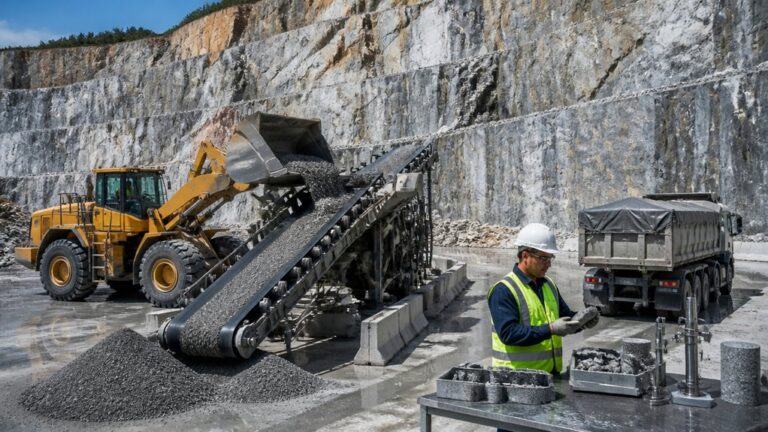
Inspect the roof periodically, keep drainage clear, and replace cracked or displaced slates promptly. Slate doesn’t improve insulation efficiency by itself; insulation and ventilation need to be addressed in the roof assembly. As stone and marble masons based in Casper, Wyoming, we take projects from quarry to completion, including sourcing and cutting stone, building, and finishing interiors across the Mountain West.
How Well Does Slate Handle Fire and Storms?
How well does slate handle fire and storms?
We consider slate a strong choice where fire resistance and severe-weather performance matter. Natural slate is noncombustible, so it won’t ignite or spread flames. In a wildfire-pr-prone area, that can reduce the risk from embers landing on the roof, though the full roof assembly matters: eaves, vents, flashing and nearby materials can still create vulnerable points.
Slate tiles are dense and heavy. When properly selected, fastened and installed, they can resist wind and hail better than many lightweight roofing materials. That weight also requires a roof structure designed to carry the load, including snow. We recommend confirming structural capacity with a qualified professional before installation, especially when replacing a lighter roof covering.
In the Mountain West, freeze-thaw cycles make slate quality and water management especially important. Some slate absorbs more water than others, and moisture that enters a tile or roof assembly can contribute to cracking as it freezes. Sound flashing, drainage and installation details help limit water intrusion. High-altitude UV exposure and strong winds also make durable materials and secure fastening important.
After severe weather, we recommend checking for cracked or displaced tiles and having roof details inspected. Avoid walking on slate, which can break under concentrated weight. Building permits, inspections and code requirements vary by state and county, so confirm local requirements with your contractor or building department.
What Can Shorten a Slate Roof’s Lifespan?
What can shorten a slate roof’s lifespan?
Slate is durable, but the roof can still fail early if it’s installed or maintained poorly. In Wyoming and across the Mountain West, snow load, wind, strong UV exposure, and repeated freeze-thaw cycles make sound framing, drainage, and flashing especially important.
In Wyoming’s harsh climate, a slate roof’s longevity depends on proper installation, sound framing, and effective drainage and flashing.
Common causes of premature wear include:
- Incorrect fastening: Nails placed too tightly or in the wrong location can crack slate. Loose or corroded fasteners may let tiles slip.
- Inadequate framing: Roof framing must support the weight of the slate and expected snow loads. Sagging can stress tiles, joints, and the roof deck. A structural engineer may be needed to assess framing capacity.
- Damaged flashing: Failed flashing around chimneys, valleys, and roof penetrations can direct water beneath the slate and onto the roof deck.
- Poor drainage: Clogged gutters and blocked valleys hold moisture against the roof. When that water freezes and thaws, it can worsen existing damage.
- Foot traffic: Walking directly on slate can crack tiles. Repairs and inspections should be handled by someone who knows how to access a slate roof safely.
After severe weather, have the roof checked for slipped or broken slates, corroded fasteners, damaged flashing, and signs of leaks. Address problems promptly, and use a roofer experienced with slate; unsuitable repairs can damage surrounding tiles. Permit, inspection, and licensing requirements vary by state and county, so check local building codes before substantial roof work.
What Are the Trade-Offs of Slate Roofing?
Slate roofing trades higher material and installation costs for long service life, fire resistance and a distinctive natural-stone appearance. We recommend weighing those benefits against the roof structure, local weather and the expertise needed to install and maintain slate.
Slate is heavy, so a structural engineer may need to assess whether your roof can support it or requires reinforcement. In the Mountain West, the design must also account for snow load, wind exposure, freeze-thaw cycles and strong high-altitude UV. Slate types vary in density, water absorption and durability, so the right selection depends on the stone and the conditions at the site.
Installation takes experience: incorrect fastening or flashing can lead to leaks, and slate can crack if handled or walked on improperly. Repairs also require specialized knowledge, and matching replacement tiles may be difficult. Maintenance is generally limited, but periodic inspections can help identify cracked slate, loose fasteners and failing flashing before water gets into the roof assembly.
We’re the Bluestone Masonry & Construction team, stone and marble masons based in Casper, Wyoming. Since 2013, we’ve worked on high-end construction across Wyoming, Montana, Colorado, Idaho, Utah, Nebraska and South Dakota, taking projects from quarry to completion—from sourcing and cutting stone to building and finishing interiors. Before choosing slate, confirm the roof’s structural capacity, installation plan and maintenance needs. Permits, inspections and local building-code requirements vary by state and county; consult the appropriate licensed professionals for your project.
Frequently Asked Questions
How Much Does a Slate Roof Typically Cost?
Slate roof costs depend on the slate type, roof shape and pitch, access, and the labor required for careful installation. We also assess whether the existing structure can support the slate’s weight, especially where snow loads are a concern. In the Mountain West, freeze-thaw cycles, wind, and high-altitude UV exposure make sound detailing and compatible materials important. We recommend having a qualified roofer and, when needed, a structural engineer evaluate the roof. Permit, inspection, and building-code requirements vary by state and county.
Can Slate Roofing Be Installed on Any Home?
No. Slate is heavy, so we recommend having a licensed structural engineer assess your roof framing and load capacity before you choose it. In Wyoming and other Mountain West locations, the design must also account for local snow and wind loads, and requirements vary by state and county. Slate’s durability comes with higher material and installation costs, which can include reinforcing the roof structure. Check local building codes and permit requirements with your contractor before work begins.
How Do You Clean and Maintain a Slate Roof?
Clean a slate roof with a gentle rinse from a garden hose, and avoid pressure washers, harsh chemicals, and walking on the slates. Slate can crack or shift under foot traffic, and high-pressure water can damage the stone or force water beneath the roof covering. Remove leaves and other debris carefully, taking care not to disturb the slates or flashing.
Inspect the roof at least once a year and after severe storms. In the Mountain West, snow load, high winds, intense UV exposure, and freeze-thaw cycles can loosen slates and worsen small defects. Have a slate-roofing professional check for cracked or slipping slates, damaged flashing, and blocked drainage. Avoid do-it-yourself repairs: slate roofs require compatible materials and careful fastening, and improper work can cause leaks or further damage. Repairs may also need to meet local building codes and inspection requirements, which vary by state and county.
Can Damaged Slate Tiles Be Replaced Individually?
Yes. We can replace a damaged slate tile individually, provided the surrounding slates and roof deck are sound. We remove the broken piece without disturbing nearby tiles, check for cracked slates or signs of moisture, then fit a compatible replacement and secure it with copper nails or a slate hook.
Matching the slate’s thickness, size, color, and surface finish helps the repair shed water properly and blend with the roof. In Wyoming and the surrounding Mountain West, sound fastening and flashing matter because snow, wind, UV exposure, and repeated freeze-thaw cycles can stress a roof. Steep or icy roofs are hazardous; we recommend having a qualified roofer assess and complete the repair. Local code or inspection requirements may vary by state and county.
What Colors and Styles of Slate Roofing Are Available?
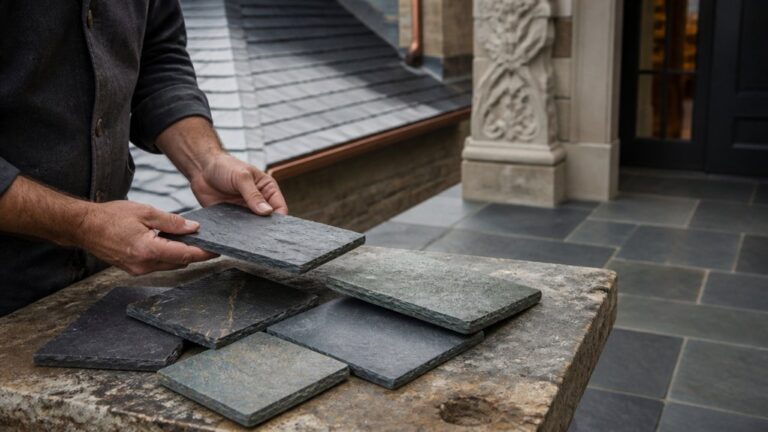
We offer slate roofing in gray, black, green, purple, red, and mixed hues. Surface finishes range from smooth to naturally cleft or more textured, while profiles and sizes also affect the roof’s appearance and installation. We help you compare samples and select slate that suits your home’s design and roof structure.
In the Mountain West, color and finish are only part of the decision. Slate must be suitable for freeze-thaw exposure, wind, UV, snow load, and the roof’s slope and framing. We can take a project from quarry to completion, including sourcing and cutting stone, installation, and finishing work. Local codes, permits, inspections, and structural review may apply; requirements vary by state and county.