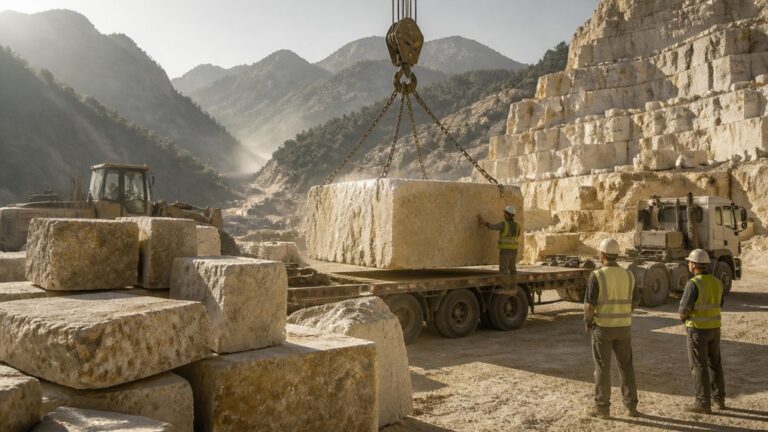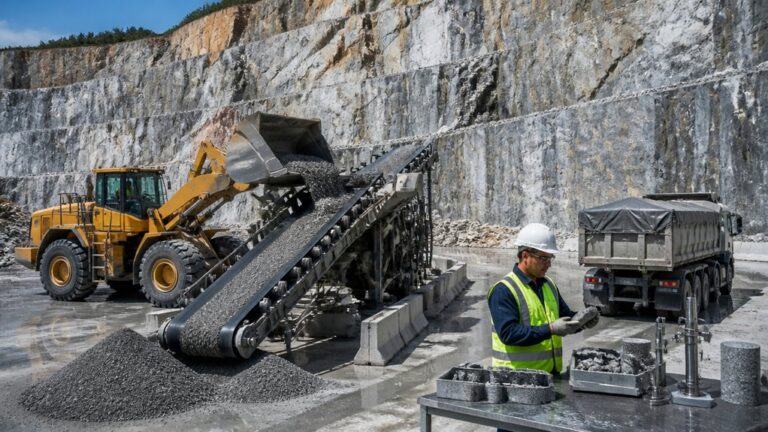
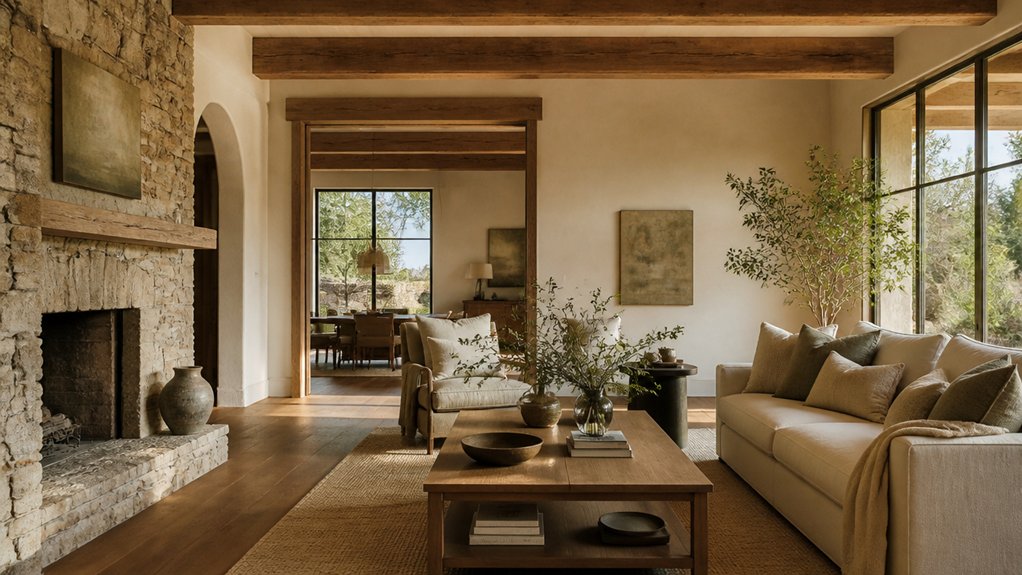
A custom home should start with how you live: daily routines, storage, and plans for future changes. We’re the Bluestone Masonry & Construction team, stone and marble masons based in Casper, Wyoming. Since 2013, we’ve taken projects from quarry to completion across Wyoming, Montana, Colorado, Idaho, Utah, Nebraska, and South Dakota—sourcing and cutting stone, building, and finishing interiors.
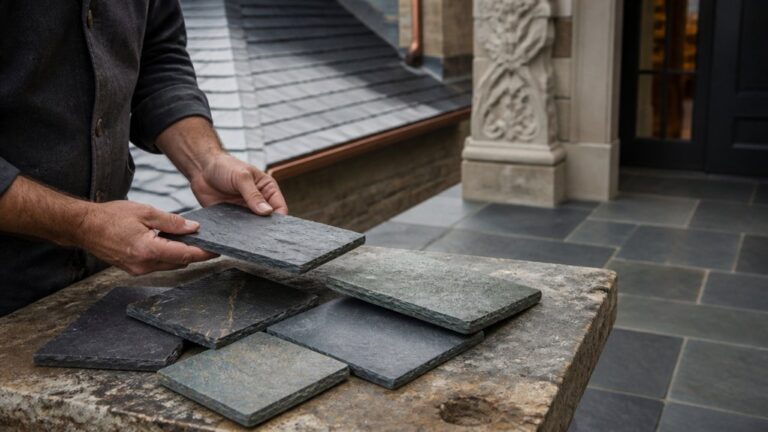
Choose materials for both their appearance and their performance. Granite is generally dense and durable, while softer stones such as limestone and marble can scratch, stain, or weather more readily. Stone varies by quarry, so review samples and confirm that the selected material is suitable for its intended use. In the Mountain West, account for freeze-thaw cycles, snow loads, high-altitude UV exposure, and wind. Exterior stone needs appropriate detailing, drainage, and installation methods to limit water entry and damage. Wood and clay also need to be selected and detailed for local conditions.
Good results depend on more than the material. We plan cuts, joints, transitions, and finishes before installation, and explain how to clean and maintain each surface. Costs depend on the stone’s source, fabrication, access, installation complexity, and finish. Before construction, confirm applicable permits, inspections, and local building codes; requirements vary by state and county, and a licensed professional such as a structural engineer may be required.
Plan a Timeless Custom Home Around Your Needs
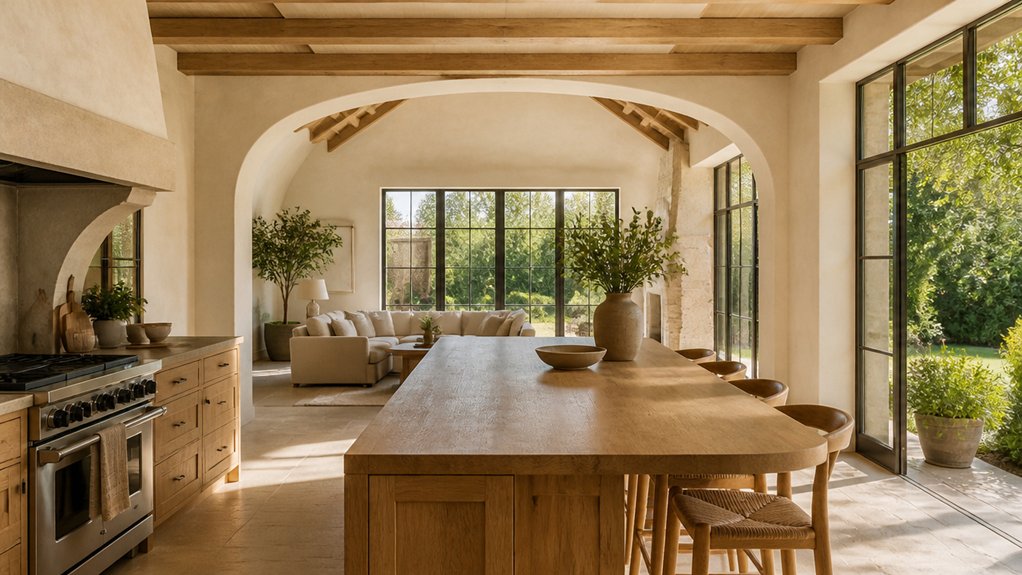
Start with how you live, then plan the rooms and stonework around those needs. We recommend listing daily routines, storage requirements, gathering habits, and future changes before settling on a floor plan. Rank must-haves against nice-to-haves and budget priorities, then share the brief with your architect and builder so they can check dimensions, circulation, structure, and material choices early.
Stone selection affects both appearance and performance. Granite is generally hard-wearing, while marble is more susceptible to scratching and staining and may need more careful maintenance. For exterior stone in Wyoming and the wider Mountain West, freeze-thaw resistance, snow load, wind exposure, altitude, and strong UV matter. The stone, setting materials, drainage, flashing, and installation details all need to suit the site and local conditions.
As Bluestone Masonry & Construction, we take projects from quarry to completion: sourcing and cutting stone, building, and finishing interiors. We’ve worked across Wyoming, Montana, Colorado, Idaho, Utah, Nebraska, and South Dakota since 2013. Review drawings at full scale when possible; a few inches can affect a doorway, cabinet reach, or stone detail. Permits, inspections, local codes, and licensed professionals such as structural engineers may be required, with requirements varying by state and county.
Choose Natural Materials for Each Space
Choose stone and timber to suit each space, balancing durability, maintenance, comfort, and local conditions.
We match natural materials to the way each space is used and the conditions it faces. In a busy entry, stone flooring needs to stand up to grit, wet boots, and frequent cleaning. Dense granite is generally more resistant to scratching and moisture than softer marble, but any stone can be damaged by abrasive dirt or harsh cleaners. We recommend a finish and sealer suited to the stone, then plan for routine cleaning and resealing as needed.
For kitchen counters, consider how the stone responds to heat, spills, and daily use. Granite is hard-wearing, while marble can etch when exposed to acids such as lemon juice or vinegar. No stone surface is maintenance-free, so ask us about care requirements before choosing.
In bedrooms, stone may feel cold underfoot during Wyoming winters; wood or a rug can add warmth, while stone remains a practical option where durability and easy cleaning matter.
When selecting timber for floors, cabinetry, or trim, compare grain, hardness, finish, and source. We review samples in the room’s actual light, since altitude and strong Mountain West sun can affect how colors appear and how finishes age. Before installation, we confirm substrate preparation, movement joints, edge details, and transitions between materials. Exterior stone also needs careful detailing for snow, wind, and freeze-thaw cycles. We take projects from quarry to completion, sourcing and cutting stone, building, and finishing interiors across Wyoming, Montana, Colorado, Idaho, Utah, Nebraska, and South Dakota. Local permits, inspections, and code requirements vary by state and county, and some work may require licensed professionals such as a structural engineer.
Combine Wood, Stone, and Clay With Care
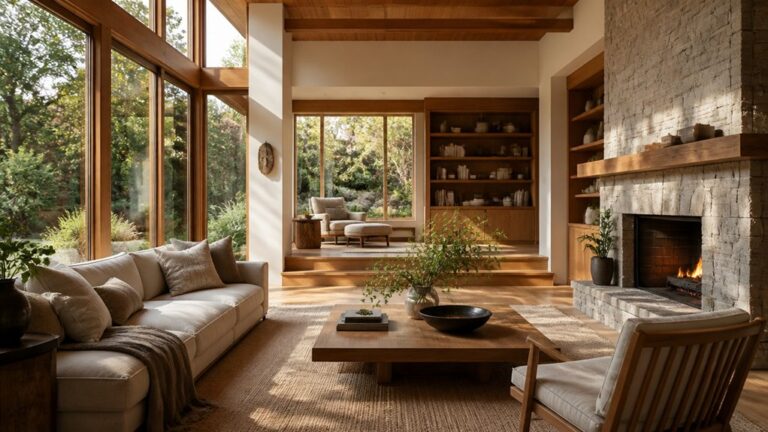
We coordinate wood, stone, and clay by choosing a clear lead material, then using the others as measured accents. Warm timber pairs well with muted stone and earthy tile; pale wood can balance darker clay. Check samples together in the room’s natural light, since undertones can shift across surfaces, and consider how direct sun and high-altitude UV may affect finishes over time.
Stone choice matters in the Mountain West. Dense granite generally handles abrasion and freeze-thaw exposure well, while some softer or more porous stones need careful detailing and sealing. For exterior work, we account for drainage, snow load, wind exposure, and water that could freeze in joints. Installation details—including substrate, mortar, movement joints, and flashing—should suit the stone and the site. We source and cut stone, build, and finish interiors, taking projects from quarry to completion.
Ask suppliers where materials come from, how they perform, and whether they’re available locally. Set the budget early; costs depend on material selection, fabrication, transport, installation complexity, and finish. Coordinate craft techniques with material thickness and intended use, and confirm maintenance needs before choosing a surface. Permits, inspections, local building codes, and licensed professionals such as structural engineers may be required; requirements vary by state and county.
Show Craftsmanship in Joinery and Finishes
We look first at the points where stone, marble, wood, and metal meet. Precise joints matter: cabinet fronts should align, door frames should fit tightly, and trim should transition cleanly to stone. Where the design calls for it, exposed dovetails, pegged mortise-and-tenon joints, or carefully scribed stone edges can show how the work is made without adding unnecessary ornament.
For stone installations, specify consistent reveals, flush hardware, and smooth, even finish boundaries in the drawings. Stone varies in grain, veining, and hardness, so review the actual slab or a full-scale sample before approving repeated work. That helps us and the other trades set clear standards and catch awkward proportions or difficult transitions early.
In Wyoming and across the Mountain West, details also need to account for freeze-thaw cycles, wind, snow, and strong UV exposure. Exterior joints, sealants, and anchoring should suit the stone and local conditions; maintenance needs vary by material and finish. We take projects from quarry to completion, sourcing and cutting stone, building, and finishing interiors. Permits, inspections, and licensed professionals such as structural engineers may be required, with requirements varying by state and county.
Maintain Wood, Stone, and Clay for Lasting Character
We preserve wood, stone, and clay by matching care to the material and the conditions it faces. In the Mountain West, snow, wind, strong UV, and repeated freeze-thaw cycles can wear down finishes and expose weak joints, so regular checks matter.
Match care to each material and inspect regularly; Mountain West weather can wear finishes and weaken joints.
For wood, dust with a soft cloth, wipe up spills promptly, and renew oil or wax when the surface looks dry. Use coasters and felt pads to reduce scratches and water marks. Keep wood away from persistent moisture, which can cause swelling or damage nearby stone and grout.
For stone, use a pH-neutral cleaner. Acidic products can etch marble and limestone, while different stones vary in porosity and sensitivity. Blot spills rather than rubbing them, and reseal porous stone when recommended by its supplier or installer. Check exterior stone and joints for cracks or loose areas before winter; water entering a joint can freeze and worsen the damage.
For clay tile, sweep gently and clean with mild soap and water. Inspect grout and joints regularly, especially in wet or exposed areas, and repair cracks early to limit moisture intrusion. For exterior installations, sound drainage and suitable setting materials are essential in a freeze-thaw climate.
We work with stone and marble from quarry to completion, including sourcing, cutting, construction, and interior finishing. If you’re unsure which cleaner, sealer, or repair method suits a surface, ask the stone supplier or a qualified mason before applying a product.
Frequently Asked Questions
How Do I Find an Architect Experienced in Natural-Material Custom Homes?
We recommend asking builders and homeowners with natural-material homes for architect referrals. Review each portfolio for stone, timber, and clay details, then visit completed projects and speak with references. Ask how the architect coordinates material sourcing, structural requirements, and skilled installation. In the Mountain West, confirm they account for freeze-thaw cycles, snow loads, wind, and strong UV exposure—and work with licensed professionals when required. We take stone projects from quarry to completion, so we value architects who plan for how materials will be sourced, cut, built, and finished.
What Permits Are Required to Build a Custom Home?
Permit requirements vary by state, county and municipality, so confirm them with your local building department before finalizing plans or scheduling construction. A custom home commonly requires zoning or planning approval, a building permit, and separate permits for electrical, plumbing and mechanical work. If the site uses a well or septic system, those may require additional approvals. Local rules may also address snow loads, wind exposure, wildfire risk and energy efficiency—important considerations across the Mountain West.
We recommend confirming required inspections, fees and licensed-professional requirements early. Your plans may need review or approval by a structural engineer, especially for complex designs or site conditions. Coordinate permit timelines with your architect and builder, and make sure stone and masonry details are included in the approved drawings. The right installation details help stone handle freeze-thaw cycles, snow and runoff, and strong UV exposure.
How Long Does a Custom Home Project Typically Take?
A custom home typically takes 12–24 months, though the schedule depends on design complexity, permitting, material lead times, weather, and the availability of skilled trades. We plan for Mountain West conditions, including winter access, freeze-thaw cycles, wind, and snow loads, and coordinate stone sourcing, cutting, construction, and interior finishing from quarry to completion. Build in time for permits, inspections, and any required reviews by licensed professionals; requirements vary by state and county. Budget and schedule should also allow for material choices, site conditions, and possible delays.
How Can I Keep a Custom Home Project Within Budget?
We keep custom home projects on budget by setting a realistic contingency, finalizing stone selections and construction details before work begins, and reviewing costs with you regularly. We source and cut stone as part of our quarry-to-completion process, so we can compare material options early and explain how availability, fabrication, transport, and installation affect cost.
We also account for the demands of the Mountain West climate. Freeze-thaw cycles, snow loads, wind, high-altitude conditions, and UV exposure can influence stone selection, setting methods, drainage, and maintenance. We prioritize durable workmanship and review every change order with you before proceeding. Permit, inspection, and code requirements vary by state and county; licensed professionals, including a structural engineer, may be required for some work.
Can Natural Materials Meet Modern Energy-Efficiency Standards?
Yes. Natural materials can meet modern energy-efficiency standards when we design the full building assembly for the local climate. Stone and marble provide durable exterior finishes, but they do not replace insulation or careful air sealing. We coordinate the masonry with continuous insulation, properly detailed flashing and drainage, sealed transitions, and high-performance windows.
In the Mountain West, the assembly must also handle freeze-thaw cycles, wind, snow loads, high-altitude sun, and strong UV exposure. Stone type, thickness, anchoring, and installation details all matter: for example, porous stone needs suitable water management, while dense stone still requires sound flashing and drainage. We take projects from quarry to completion, sourcing and cutting stone, building, and finishing interiors, and we work with the project team to check details before they are covered. Energy modeling and construction-stage testing can help verify performance. Permit, inspection, and code requirements vary by state and county, and some designs may require review by licensed professionals such as a structural engineer.