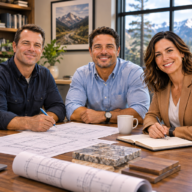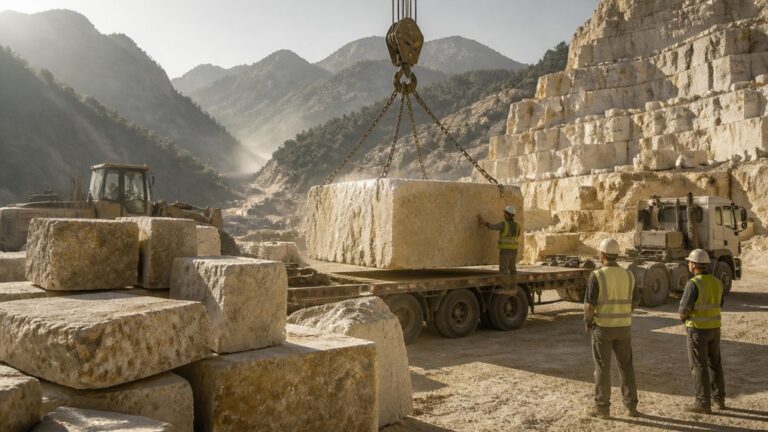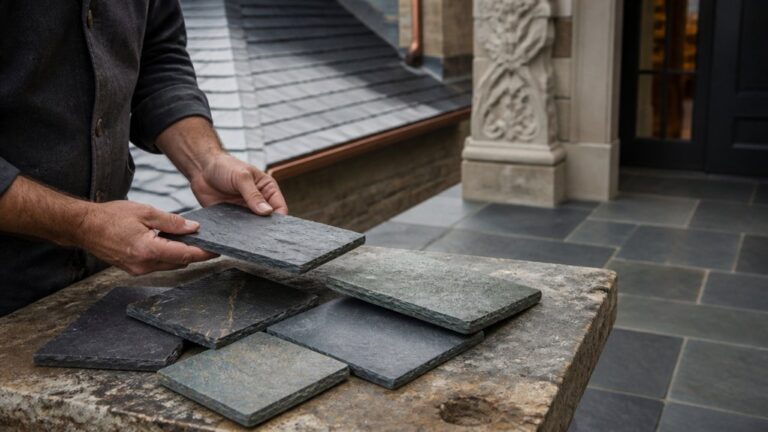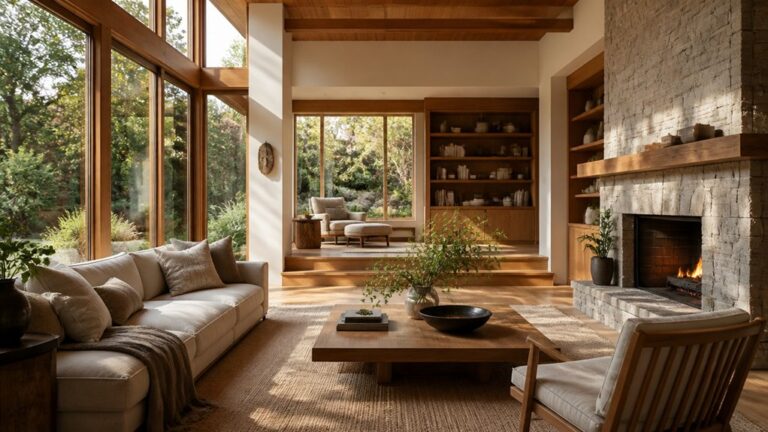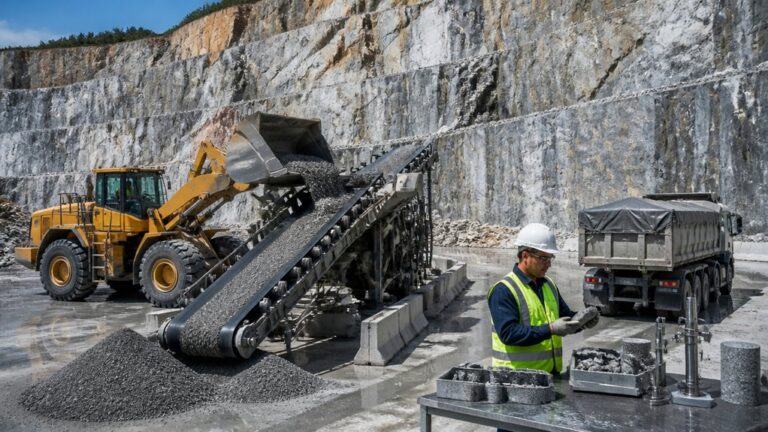
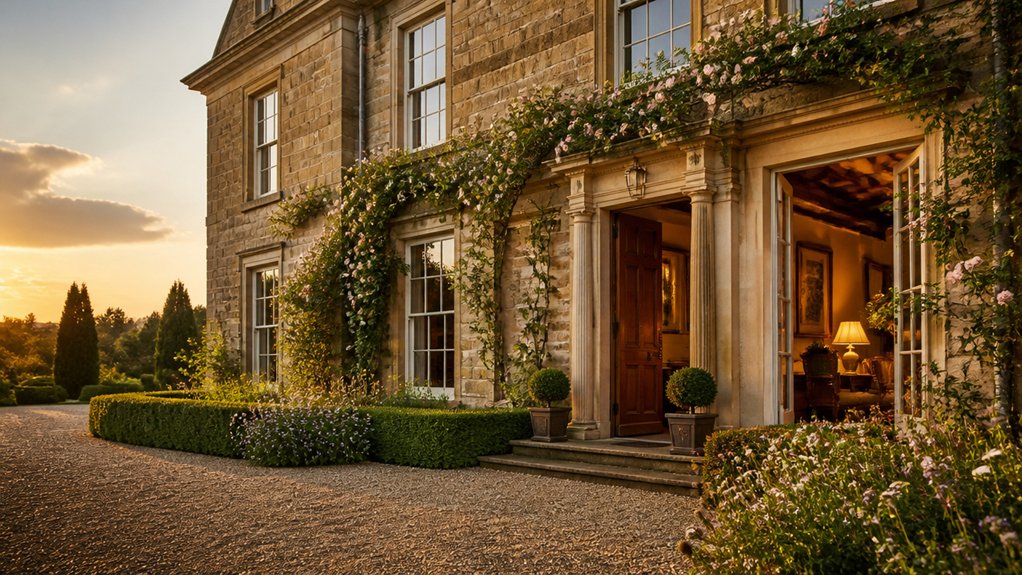
A bespoke country house should suit both your routines and its setting. We start by understanding how you use the house, which views you want to frame, and where stone, timber, and modern systems need to work together. From our base in Casper, Wyoming, we take projects from quarry to completion: sourcing and cutting stone, building, and finishing interiors across Wyoming, Montana, Colorado, Idaho, Utah, Nebraska, and South Dakota.
Material choices matter in a cold Mountain West climate. Local stone can give a house a strong connection to its surroundings, but its density, porosity, and bedding affect how it should be cut and installed. Porous stone needs careful detailing to limit water entry; freeze-thaw cycles can damage stone and mortar when moisture is trapped. We account for snow loads, high-altitude UV exposure, and wind when planning exterior work, flashing, joints, and finishes. Marble can bring distinctive color and veining indoors, but it may scratch or stain more readily than harder stones, so placement and maintenance should match how you use the space.
We coordinate stonework with the building team early, especially at transitions between masonry, timber, windows, and modern systems. Proper substrate preparation, drainage, mortar selection, and movement joints all affect long-term performance. Permits, inspections, local building codes, and licensed professionals such as structural engineers may be required; requirements vary by state and county.
Define Your Bespoke Country House Vision
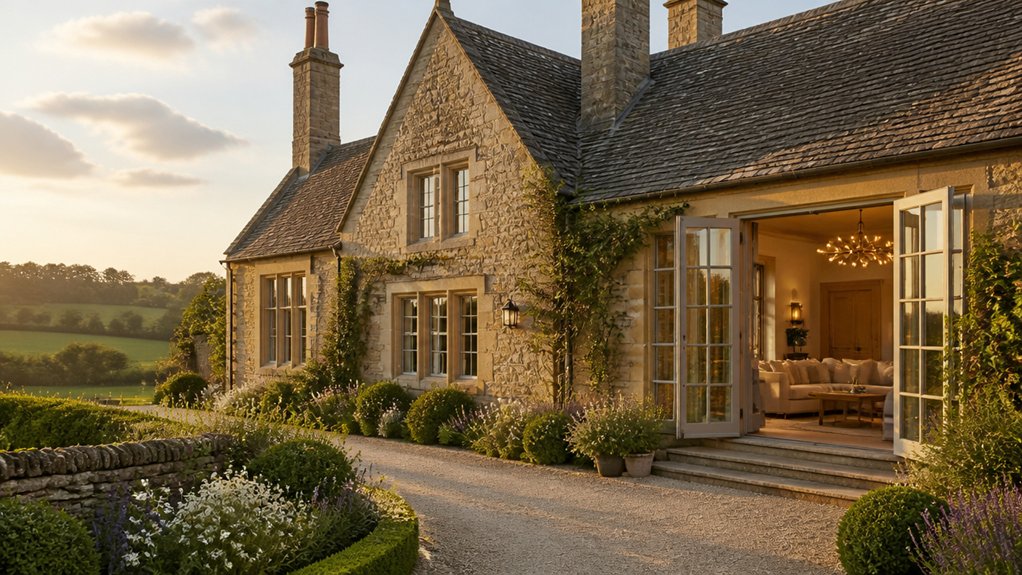
Define your country house vision
Start with how you want your country house to work day to day, not just how you want it to look. List the routines, gatherings and quiet moments each room needs to support. Plan practical details early, such as a mudroom with space for wet boots and gear, durable kitchen work surfaces, and clear routes for carrying stone or other heavy materials during construction.
Plan your country house around daily routines, practical spaces and the moments you want each room to make possible.
Then set priorities for materials, craftsmanship and comfort. Stone choices affect appearance, maintenance and performance: dense granite generally resists wear and moisture well, while some softer limestones and marbles can stain, scratch or weather more readily. In the Mountain West, consider freeze-thaw exposure, snow loads, high-altitude UV and wind when selecting stone and planning exterior details. Proper drainage, flashing, mortar selection and installation matter as much as the stone itself.
We’re Bluestone Masonry & Construction, stone and marble masons based in Casper, Wyoming. Since 2013, we’ve worked on high-end construction across Wyoming, Montana, Colorado, Idaho, Utah, Nebraska and South Dakota, taking projects from quarry to completion—from sourcing and cutting stone to building and finishing interiors. Share your priorities with your architect and builder early so the design, structure and material choices work together. Permits, inspections, local codes and licensed professionals, including structural engineers, may be required; requirements vary by state and county.
Shape the Design Around Your Landscape
How the house meets its site affects its character, durability, and performance. We recommend walking the land with your architect and builder before setting the footprint. Note slopes, mature trees, prevailing winds, sun paths, snow-drift areas, and views worth preserving. In the Mountain West, altitude, intense UV, freeze-thaw cycles, and heavy snow loads can all influence material choices and construction details.
Use the terrain to guide the layout. Placing the house where excavation is limited can reduce disruption and help drainage follow natural contours. Set finished floor levels carefully, and use retaining walls only where needed. Retaining walls must be designed for soil pressure, drainage, and local conditions; a structural engineer may be required. Permits, inspections, and code requirements vary by state and county.
Plan windows and terraces to frame views while accounting for privacy, summer shade, wind exposure, and snow buildup. For stonework, consider how local materials will perform: dense stone generally absorbs less water, while more porous stone may need additional protection and careful detailing at exposed edges. We source and cut stone, then build and finish interiors as part of our work from quarry to completion. Based in Casper, Wyoming, we’ve worked across Wyoming, Montana, Colorado, Idaho, Utah, Nebraska, and South Dakota since 2013.
Choose stone, timber, and roof finishes that suit both the setting and the climate. Proper flashing, drainage, mortar selection, and installation matter as much as appearance, especially where moisture can freeze in the stone. We can help you assess those details early, so the design responds to the land rather than forcing it into submission.
Plan a Layout for Everyday Country Living
A country home should make everyday routines work as well as the finished rooms look. We recommend mapping the paths people actually take: from the entrance to the kitchen, pantry, and utility room, with a place to leave muddy boots before they reach living areas. Keep those busy routes clear, and set quieter spaces for reading or work away from household traffic. Place bedrooms near bathrooms and give guests a straightforward route to shared spaces.
Plan storage around what your household uses. A coat closet near the entrance, cupboards beneath the stairs, and pantry shelves sized for your supplies can prevent clutter from spilling into walkways. Before construction, review joinery, door swings, and clearances with your designer and builder. If the plan includes stone floors, counters, or wall finishes, account for the material’s weight, substrate, sealing needs, and exposure to snow, moisture, and freeze-thaw conditions. We take stone projects from quarry to completion, sourcing and cutting stone, building, and finishing interiors. Permit and inspection requirements vary by state and county, so confirm local codes and involve licensed professionals where required.
Choose Durable Materials for Your Country House
Choose materials that suit your site’s rain, snow, frost, sun, and wind. Dense stone generally absorbs less water than more porous stone, which can help limit freeze-thaw damage, but proper drainage, flashing, mortar, and installation matter just as much.
Timber needs suitable detailing and regular maintenance; metal performs well in many applications but should be selected and installed with snow loads, wind, and UV exposure in mind.
We’re Bluestone Masonry & Construction, stone and marble masons based in Casper, Wyoming. Since 2013, we’ve taken projects from quarry to completion across Wyoming, Montana, Colorado, Idaho, Utah, Nebraska, and South Dakota—sourcing and cutting stone, building, and finishing interiors. We can help you choose materials and details suited to your site and climate.
Permits, inspections, local codes, and licensed professionals such as structural engineers may be required; requirements vary by state and county.
Choose Weather-Resistant Materials
We choose exterior materials for Mountain West conditions, where freeze-thaw cycles, heavy snow, strong wind, high-altitude UV, and driving rain can expose weak details. At Bluestone Masonry & Construction, we take stone projects from quarry to completion: sourcing and cutting stone, building, and finishing interiors across Wyoming, Montana, Colorado, Idaho, Utah, Nebraska, and South Dakota.
Stone, brick, and lime render each handle weather differently. Dense stone generally absorbs less water, but its performance depends on the specific stone, how it’s cut, and how it’s installed. Some porous stones need greater protection and careful detailing to limit moisture entry. Brick can perform well when the units, mortar, and drainage system are suited to the climate. Lime render can help a wall release moisture, but it needs a compatible substrate, proper curing, and protection from severe weather during installation. We can help you assess samples and details for your site.
For roofing, select materials and installation details that suit local snow loads, roof pitch, and exposure. Slate and well-fired clay tiles can be durable, but they’re heavy, so the roof structure may need review by a structural engineer. Specify secure fixings and well-fitted flashing at chimneys, valleys, and roof edges. For exposed timber, choose a species suited to the conditions or apply a finish that sheds water while allowing the wood to dry. Maintain joints, sills, and drainage paths so water doesn’t collect or enter vulnerable edges.
Before construction, coordinate material selection with your architect, builder, and relevant licensed professionals. Permits, inspections, and code requirements vary by state and county, so confirm what applies to your project. After installation, inspect flashing, mortar joints, sealants, and drainage regularly, especially after harsh winters.
Balance Longevity and Character
Longevity and character work best when we match each material to its setting and use. We source and cut stone, build, and finish interiors from quarry to completion, with Mountain West conditions in mind. Freeze-thaw cycles, snow, strong UV exposure, wind, and elevation can all affect material choice and detailing.
For exterior work, dense stone with low water absorption is generally better suited to repeated freezing and thawing. Some softer or more porous stones can still be appropriate, but they need careful selection, installation, and maintenance. We plan drainage and flashing to keep water from collecting behind or beneath the stone, and we use suitable setting materials and joints for the application. On exposed sites, secure anchoring and sound substrate preparation matter as much as the stone itself. Snow loads and structural support should be reviewed by a qualified professional where required.
Indoors, choose stone and finishes for how a room is used. Marble can develop etching and wear, especially in kitchens and bathrooms; a honed finish can make everyday marks less noticeable than a polished surface. Granite is generally harder and more resistant to scratching, though its performance varies by type. Timber and metal can add warmth and contrast, but they need detailing suited to moisture, wear, and maintenance.
We preserve local character by working with regional materials and traditional finishes, then refining them with precise fabrication and discreet protection. Choose stone that can develop a natural patina, hardware that can be serviced, and details that allow future repairs. Ask your design and construction team to specify durable thresholds, secure fixings, drainage, and accessible components. Permits, inspections, local codes, and licensed professionals such as structural engineers may be required; requirements vary by state and county.
Add Personal Details to Make It Yours
Personal details can give a country house a sense of history without distracting from its materials and proportions. We help homeowners, architects, and builders carry meaningful details into stone and marble features, from a family pattern carved into a fireplace surround to a date worked into a threshold or a distinctive stone detail at a cabinet opening.
Plan the detail alongside the material and installation. Granite and some other dense stones generally handle outdoor exposure well, while marble can stain or weather more readily and may need more careful placement and maintenance. In the Mountain West, freeze-thaw cycles, snow, wind, high-altitude UV, and changing temperatures all affect stone selection and detailing. For exterior work, we consider water drainage, suitable mortar and anchoring, and whether the stone can withstand local conditions. Keep carved details clear and durable, and avoid placing them where snow, ice, or runoff can collect.
We take projects from quarry to completion, sourcing and cutting stone, building, and finishing interiors across Wyoming, Montana, Colorado, Idaho, Utah, Nebraska, and South Dakota. We’re based in Casper, Wyoming, and have worked in high-end construction since 2013. Project requirements vary by state and county; permits, inspections, local building codes, and licensed professionals such as structural engineers may be required.
Add Modern Comforts to Your Country House
Modern comforts belong in a country house when they’re planned around the building’s structure, materials, and daily routines. We’re Bluestone Masonry & Construction, a Casper, Wyoming, masonry and construction team founded in 2013. We take projects from quarry to completion, sourcing and cutting stone, building, and finishing interiors across Wyoming, Montana, Colorado, Idaho, Utah, Nebraska, and South Dakota.
In a cold Mountain West climate, plan heating, lighting, and ventilation before stonework, plaster, or cabinetry goes in. Thick stone walls and floors can hold heat, but they also take time to warm. Underfloor heating can work well beneath stone, provided the floor assembly and system are designed together. Natural stone varies in density and porosity, so confirm that the selected material and setting products suit the heating system and expected temperature changes. Exterior stone also needs appropriate drainage and installation details to withstand freeze-thaw cycles, wind, snow, and strong UV exposure.
- Control the climate: Divide heating into zones based on how rooms are used. Test the system room by room, and coordinate floor height, insulation, and controls before installing stone or other finish flooring.
- Plan the lighting: Combine task lighting with dimmable fixtures. Place switches where people naturally enter and use each room, and account for how stone surfaces reflect or absorb light.
- Hide the infrastructure: Plan service spaces for wiring and ventilation before plastering or fitting cabinetry. Avoid cutting channels through stone without approval from the project team; changes can weaken masonry or damage a finished surface.
We coordinate stonework with builders and other trades early, so mechanical systems fit the construction rather than forcing costly changes later. Permits, inspections, building codes, and licensed professionals such as structural engineers may be required; requirements vary by state and county.
Frequently Asked Questions
How Long Does It Typically Take to Build a Bespoke Country House?
A bespoke country house typically takes 18–36 months to build, from groundwork through completion. The schedule depends on design complexity, planning approvals, site access, weather, and the time required for careful stonework and interior finishes. In the Mountain West, freeze-thaw cycles, snow loads, high-altitude conditions, and wind can affect construction sequencing and material choices. We plan stone sourcing, cutting, installation, and finishing as part of the overall schedule, while allowing for permits, inspections, local codes, and any required input from licensed professionals. Requirements vary by state and county.
What Planning Permissions Are Required for a Country House?
A new country house typically requires planning approval and building permits, but the exact process depends on the property’s location and local rules. Before commissioning detailed plans, check zoning, access, utilities, site constraints, and any restrictions for historic properties, conservation areas, or protected landscapes with the relevant planning authority. Building codes, inspections, and approvals vary by state and county; a licensed architect or structural engineer may also be needed. We recommend confirming these requirements early so the design and construction plans are workable.
How Much Does a Bespoke Country House Usually Cost?
The cost of a bespoke country house depends on its size, design, site conditions, materials, and finish level. We plan budgets around the full scope of work, including stone sourcing and cutting, construction, interior finishing, professional fees, and landscaping. In the Mountain West, access, wind exposure, snow loads, and freeze-thaw conditions can also affect material choices and installation. We recommend confirming local permits, inspections, and code requirements with the relevant county and licensed professionals, since rules vary by location.
Should I Hire an Architect or a Design-And-Build Firm?
Choose an architect when you want independent design oversight, detailed plans, and careful coordination of stone and marble work. Choose a design-and-build firm when you prefer one team to manage design and construction, which can simplify communication and scheduling. Either way, agree on the scope, fees, budget responsibilities, and who will coordinate with your mason before work begins.
We recommend addressing site conditions early. In Wyoming and across the Mountain West, freeze-thaw cycles, snow loads, wind, altitude, and strong UV can affect stone selection, drainage, anchoring, and installation details. We can help source and cut stone, build, and finish interiors, but permits, inspections, local codes, and input from licensed professionals such as structural engineers may also be required. Requirements vary by state and county.
How Can I Choose a Reliable Country House Builder?
Choose a country house builder with proven experience in your region and a clear process for managing the work. Ask to visit completed projects and speak with past clients. Compare itemized proposals, schedules, references, insurance, and licensing before signing. Confirm who is responsible for permits, inspections, and meeting state and county building codes; requirements vary by location.
For stonework, ask how the builder selects and installs materials for local conditions. In the Mountain West, freeze-thaw cycles, snow loads, high-altitude UV, and wind can affect stone, mortar, flashing, and drainage. We’re Bluestone Masonry & Construction, stone and marble masons based in Casper, Wyoming. Since 2013, we’ve taken projects from quarry to completion across Wyoming, Montana, Colorado, Idaho, Utah, Nebraska, and South Dakota—sourcing and cutting stone, building, and finishing interiors. A reliable builder should explain material choices, maintenance needs, and when a licensed professional, such as a structural engineer, is required.