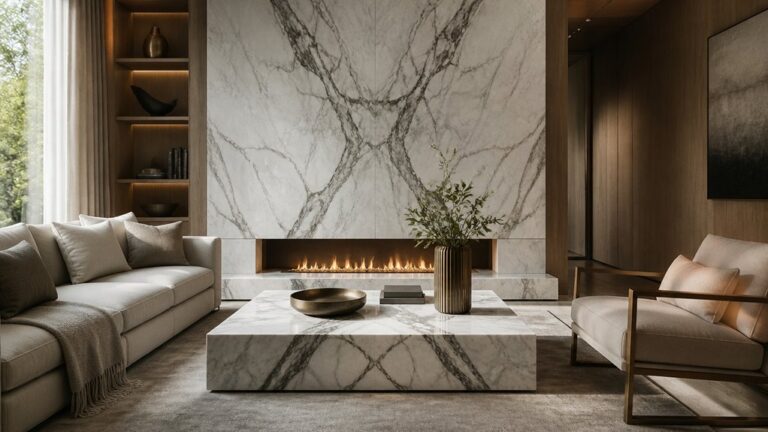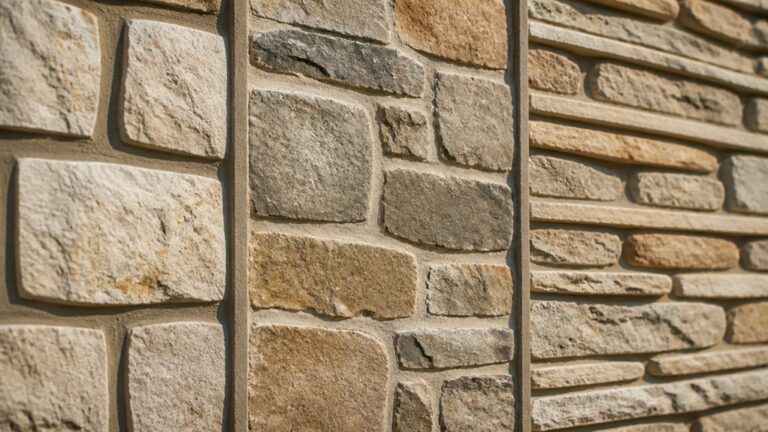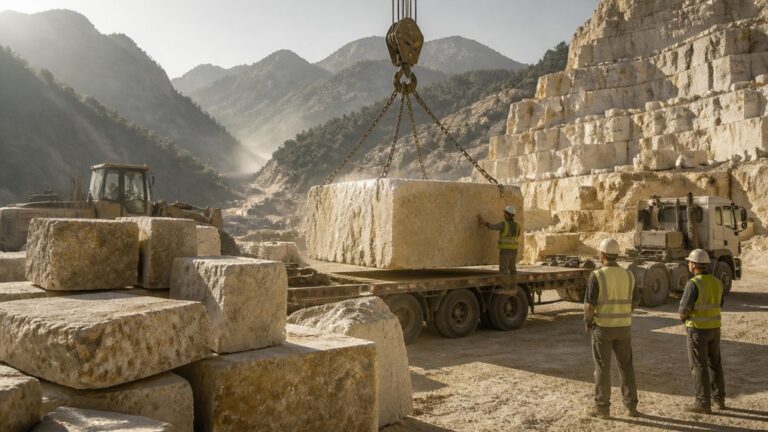
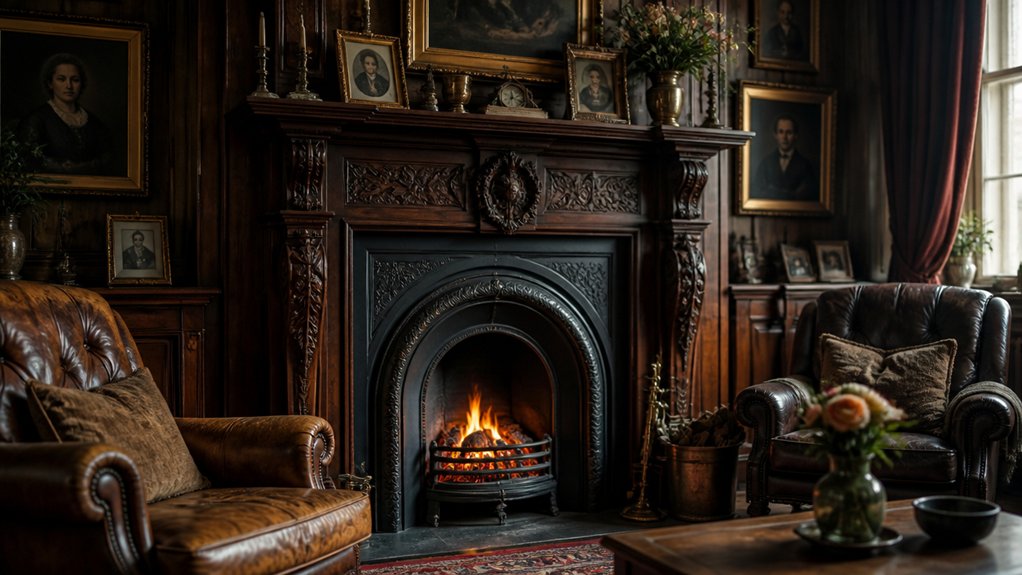
A Victorian fireplace does more than frame a fire. Its mantel, surround, and hearth shape the room and focus attention on a place where people gathered. As stone and marble masons, we look at how the material, proportions, and installation work together—not just how the finished fireplace looks.
Cast iron, carved stone, and marble each behave differently. Marble offers distinct veining but can scratch or stain, so it needs suitable sealers and careful cleaning. Dense stone is generally durable, though the right choice depends on its porosity, finish, and exposure. In the Mountain West, freeze-thaw cycles, wind-driven snow, strong UV, and high-altitude conditions matter when a fireplace includes exterior masonry. We account for drainage, flashing, compatible mortar, and secure connections to the structure.
At Bluestone Masonry & Construction, based in Casper, Wyoming, we take projects from quarry to completion: sourcing and cutting stone, building, and finishing interiors. Founded in 2013, we work on high-end construction across Wyoming, Montana, Colorado, Idaho, Utah, Nebraska, and South Dakota. For a Victorian fireplace, careful measurement and sound installation help preserve its character while making it practical for the home. Permits, inspections, local codes, and licensed professionals such as structural engineers may be required; requirements vary by state and county.
What Makes a Victorian Fireplace Distinctive?
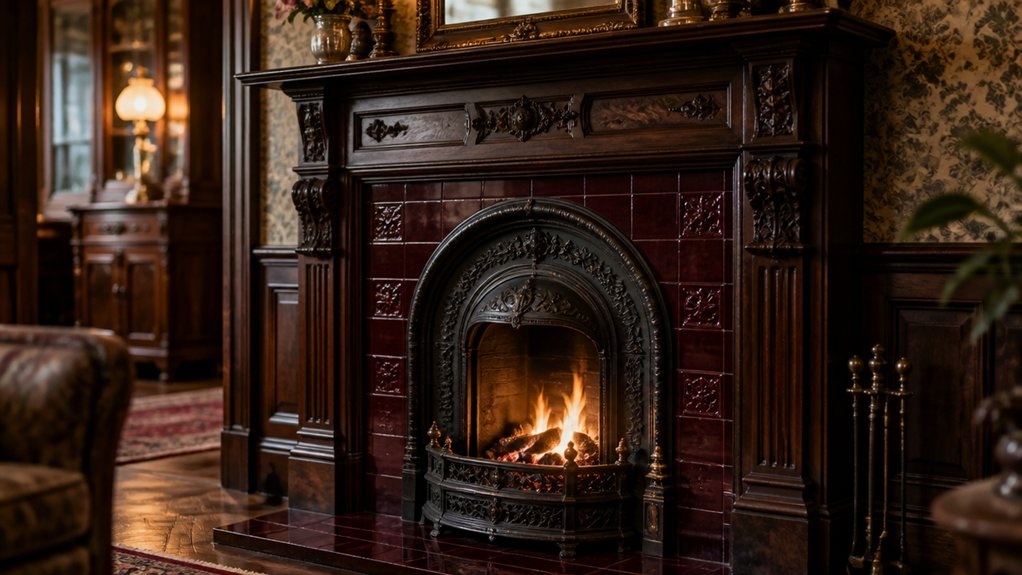
A Victorian fireplace is distinctive because it treats the hearth as part of the room’s architecture, not just an opening for a fire. The chimney breast, mantel, and surrounding wall work together to create a clear focal point, with proportions and ornament that reflect the period’s changing tastes. Earlier designs tend to be more restrained; later ones often have more elaborate profiles and detailing.
When we build or restore a Victorian-style fireplace, we consider how its materials and construction will perform as well as how they look. Stone and marble differ in color, veining, hardness, and sensitivity to heat or staining, so the right choice depends on the design and how the fireplace will be used. We also check that the hearth, firebox, and chimney are properly supported and suited to the home. In Wyoming and across the Mountain West, freeze-thaw exposure, wind, and strong UV can affect stone used outdoors or near exposed openings. Permit, inspection, and code requirements vary by state and county, and some work may require licensed professionals, including a structural engineer.
Victorian Fireplace Materials and Craftsmanship
We build and finish stone and marble fireplaces across Wyoming and the surrounding Mountain West, taking projects from quarry to completion.
For a Victorian-style fireplace, cast iron grates and surrounds handle direct heat, while marble mantels provide a finished frame. Patterned hearth tiles add color and help protect the floor, but the tile, setting materials and substrate must be suitable for fireplace temperatures.
Marble varies in hardness and porosity, so we consider the stone’s finish, expected heat exposure and cleaning needs before installation. In cold climates, we also pay close attention to the hearth’s support and the joints around it; indoor freeze-thaw exposure is uncommon, but snow, tracked-in moisture and temperature swings can affect nearby stone and tile.
We source, cut, install and finish materials as one coordinated process, with details suited to the home and local requirements. Permits, inspections and building codes vary by state and county, so we confirm what applies before work begins.
Cast Iron Craftsmanship
Victorian cast-iron fire surrounds show how careful casting and assembly can make a practical feature both durable and detailed. The sections were formed in molds, then fitted together with joints and fasteners to create a stable surround.
Cast iron handles heat well, but its weight means the hearth and surrounding structure must provide adequate support.
For a stone or marble installation, we check clearances, backing, and the condition of the opening before fitting the surround.
In the Mountain West, we also account for temperature changes and movement where stone meets metal.
Proper installation helps protect the materials and keeps the assembly secure.
Marble and Tile Details
Marble and tile give a Victorian fireplace both visual character and practical protection. We look first at how the mantel’s weight transfers through the jambs to the surrounding structure. Marble can be carved into detailed profiles, but its veining, hardness and strength vary by type. We select and cut each piece to suit the design, check support and anchoring, and plan joints so the finished surround sits level and secure.
Inside the firebox, glazed tile provides a cleanable facing that helps protect the masonry from heat and soot. Tile and setting materials must be suitable for fireplace use; ordinary wall tile or mortar may not withstand the conditions. We set the tiles in consistent rows, account for movement and heat, and fit borders and corners carefully.
In Wyoming and the wider Mountain West, indoor temperature swings and dry conditions also make sound installation and maintenance important. We take projects from quarry to completion, sourcing and cutting stone, building, and finishing interiors across Wyoming, Montana, Colorado, Idaho, Utah, Nebraska and South Dakota. Depending on the project and location, permits, inspections, local codes or a licensed professional may be required; requirements vary by state and county.
What Victorian Fireplaces Reveal About Their Era
A Victorian fireplace reveals more than how a room was heated. Its materials, proportions, and details reflect the era’s industrial advances, social customs, and ideas about comfort. Cast iron made intricate firebox inserts possible, while factory-made tiles and fittings helped standardize designs. Carved stone mantels show how machine production and skilled handwork could come together.
When we assess a Victorian fireplace, we look at the firebox, lintel, surround, and hearth as one assembly. The stone matters: marble can be finely detailed but may scratch or stain, while harder stone can better withstand wear but may be more difficult to cut and shape. We also check for cracks, loose joints, heat damage, and signs that the structure has shifted. A replacement or restoration needs proper support, clearances, and materials suited to the fireplace’s intended use.
In Wyoming and across the Mountain West, freeze-thaw cycles, wind, snow, and strong UV exposure can affect stone and mortar, especially at exterior openings and chimneys. We plan for those conditions when sourcing, cutting, building, and finishing stone—from quarry to completion. Permits, inspections, local codes, and licensed professionals such as structural engineers may be required; requirements vary by state and county.
How Fireplaces Shaped Victorian Family Life
A Victorian fireplace did more than heat a room: it gave family life a practical center. We see how its hearth, surround, and mantel helped organize spaces for meals, mending, and conversation. When building or restoring one, we also consider how the stone or marble handles heat, how the firebox and chimney are supported, and how the assembly meets local code. In the Mountain West, sound construction matters because cold weather, wind, and seasonal temperature swings put added demands on masonry.
Family Gatherings
A fireplace can give a family room a clear center, but its masonry needs to be planned for the house and the local climate. We build stone and marble features from quarry to completion, sourcing and cutting material, constructing the masonry, and finishing the interior. Our team, based in Casper, Wyoming, has worked in high-end construction since 2013 across Wyoming, Montana, Colorado, Idaho, Utah, Nebraska, and South Dakota.
For a fireplace surround, stone choice affects appearance, weight, heat performance, and upkeep. Granite is generally durable and handles routine cleaning well; marble offers distinctive veining but can scratch or stain more readily, so it may need more careful maintenance. Natural stone varies from piece to piece, and the substrate, mortar, clearances, and firebox details must suit the selected material and the fireplace system.
In the Mountain West, outdoor masonry also needs to account for freeze-thaw cycles, snow, wind, altitude, and strong UV exposure. We select and install materials with water management and movement in mind, because moisture trapped in stone or joints can contribute to damage during freezing weather. Fireplace work may require permits, inspections, and review by licensed professionals, such as a structural engineer. Requirements vary by state, county, and local building code.
Daily Routines
A fireplace can organize a home’s daily routines as well as provide heat. We’re Bluestone Masonry & Construction, stone and marble masons based in Casper, Wyoming, and we know that the hearth’s materials and construction affect how it performs in a cold Mountain West climate. Masonry can store heat and release it gradually, while the firebox, flue, and damper must be designed to manage combustion and vent smoke safely.
For an existing fireplace, have the chimney and firebox inspected before use, especially after a long period without maintenance. Keep combustibles clear, use properly seasoned firewood, and remove ash only after it has cooled completely. Stone and marble each have different maintenance needs: porous stone may require sealing, while some marble can stain or etch from acidic cleaners. Use products suited to the specific material, and follow the fireplace manufacturer’s guidance.
We take projects from quarry to completion, sourcing and cutting stone, building, and finishing interiors across Wyoming, Montana, Colorado, Idaho, Utah, Nebraska, and South Dakota. For new construction or major alterations, fireplace design must account for the home’s structure, ventilation, and local conditions. Snow loads, wind, altitude, and freeze-thaw exposure can affect exterior masonry and chimney detailing. Permits, inspections, local building codes, and licensed professionals such as structural engineers may be required; requirements vary by state and county.
Why Victorian Fireplaces Still Feel Inviting
A Victorian fireplace feels inviting because its parts work together: the mantel frames the opening, the surround protects the wall, and the hearth provides a clear place for the fire. We look for sound construction beneath the ornament. A well-built surround supports its own weight, accommodates the firebox and chimney, and uses materials suited to heat and regular use.
Stone and marble each bring different qualities. Granite is hard-wearing and generally handles heat well, while marble offers distinctive veining but can scratch or stain more readily. Both need suitable support and installation clearances around the firebox. In a cold Mountain West home, the fireplace’s masonry and chimney also need to be built and maintained to manage temperature changes, moisture, and strong winds.
At Bluestone Masonry & Construction, we build and finish stone and marble features from quarry to completion, including sourcing, cutting, installation, and interior finishing. Whether you’re restoring a Victorian fireplace or building a new one, we can help select materials and details that suit the home and its use. Permits, inspections, and code requirements vary by state and county; a licensed professional or structural engineer may be needed for changes to the fireplace, chimney, or supporting structure.
How to Adapt a Victorian Fireplace for Modern Homes
We can adapt a Victorian fireplace for a modern home while preserving its period character. At Bluestone Masonry & Construction, our stone and marble masons are based in Casper, Wyoming, and have worked across the Mountain West since 2013. We take projects from quarry to completion, including stone sourcing and cutting, construction, and interior finishing.
Start with a qualified chimney professional’s inspection of the flue, hearth, firebox, and surrounding masonry. Older fireplaces may have cracked mortar, altered flues, or hidden damage; a structural engineer may also be needed if the chimney or hearth has shifted. Requirements for permits, inspections, and installation vary by state and county, so check local codes before work begins.
Choose an insert that fits the firebox and leaves the cast-iron details and carved mantel visible. Wood, gas, and electric models have different venting, clearance, and maintenance needs. A wood-burning insert requires a suitable flue and regular cleaning. Gas needs properly installed fuel and venting connections. Electric units avoid combustion but still need appropriate electrical service and clearances. Have licensed professionals handle connections and confirm ventilation and code requirements.
When repairing or rebuilding the hearth and surround, match the existing material where practical. Dense stone generally handles wear well, while softer or more porous stone can stain or chip more easily and may need sealing. In Wyoming and nearby states, choose materials and mortar suited to freeze-thaw exposure if the fireplace connects to exterior masonry. Snow, wind, UV exposure, and high-altitude conditions can also affect exterior chimney caps, flashing, and finishes. Regularly check for loose mortar, water entry, and damage, and keep the chimney maintained so the fireplace remains safe and useful.
Frequently Asked Questions
How Can I Tell Whether My Fireplace Is an Authentic Victorian Original?
To assess whether your fireplace is an authentic Victorian original, look for cast-iron components, tiled inserts, period detailing, and construction methods consistent with the era. Maker’s marks and materials can offer clues, but later repairs or alterations may disguise a fireplace’s age. We recommend having a qualified professional inspect it before restoration, especially to check the firebox, flue, and surrounding structure for safety.
Do I Need Permission to Restore a Victorian Fireplace in a Listed Home?
Yes. If the home is listed, you’ll generally need listed building consent before altering or restoring a Victorian fireplace, even if the work seems minor. Contact the local planning or conservation authority before removing, replacing, or cutting into original stone, marble, brick, or other historic materials. Requirements vary by location, and structural changes may also require permits, inspections, or review by a licensed structural engineer. We recommend documenting the existing fireplace and having a qualified conservation professional assess it before work begins.
How Much Does Professional Victorian Fireplace Restoration Typically Cost?
Victorian fireplace restoration costs depend on the fireplace’s condition, the materials involved, and how much original work needs repair or replacement. We assess the surround, hearth, firebox, and supporting structure before outlining the scope. Costs can rise when stone or marble must be matched, damaged masonry needs rebuilding, or rare period fittings require careful restoration. Ask for an itemized estimate that separates repair, material sourcing, fabrication, and finishing. In the Mountain West, also account for freeze-thaw exposure, snow and moisture entry, and local code requirements. Structural changes may require permits, inspections, or review by a licensed professional; requirements vary by state and county.
Where Can I Find Replacement Parts for a Victorian Fireplace?
We recommend starting with architectural salvage yards and specialist fireplace dealers, then checking reputable online restorers for parts that are difficult to find locally. Before ordering, identify the fireplace’s maker and era, and measure each part carefully. Match the original material and finish where possible; cast iron, brass, ceramic tile, and stone all require different cleaning and repair methods.
If the fireplace is historic, consult a qualified conservator before replacing or altering original components. For stone or marble surrounds, we can help assess the material, source a suitable match, and handle cutting and installation. In Wyoming and across the Mountain West, account for temperature swings and freeze-thaw exposure if any components extend outdoors. Structural changes or work involving a functioning fireplace may require permits, inspections, or licensed professionals; requirements vary by state and county.
How Should I Clean and Maintain a Victorian Fireplace Safely?
Let the fireplace cool completely before cleaning. We recommend wearing gloves and using a soft brush to remove loose soot and dust from the firebox and metalwork; avoid abrasive tools and harsh chemicals, which can damage historic finishes and stone. Different materials need different care: marble can scratch or etch, while porous stone may absorb soot or cleaning products. Test any cleaner on a small, inconspicuous area first, and follow the stone supplier’s guidance.
Inspect the masonry, firebox, flue, and metalwork at least once a year, and arrange for a qualified chimney professional to check the system before using it. Look for loose or cracked masonry, damaged mortar, corrosion, and signs of water entry. In Wyoming and the surrounding Mountain West, snow, wind, and freeze-thaw cycles can worsen moisture damage, so address leaks and deterioration promptly. Repairs or alterations may require permits, inspections, or licensed professionals; requirements vary by state and county.