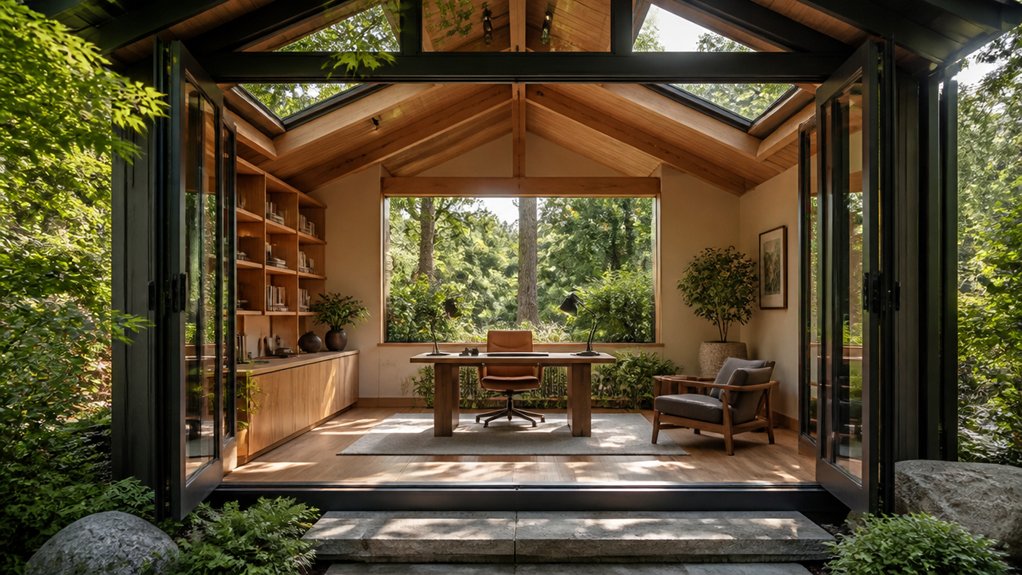
A well-planned garden room can provide a quiet home office and make your living space more functional. Start by measuring the room and identifying your needs for storage, electrical outlets, and equipment. Then assess natural light, noise, insulation, and ventilation to support comfort and concentration. Choose a practical layout and durable finishes so the room works reliably for both focused work and everyday use.
Plan Your Garden Room Home Office
Start by defining what your garden room office needs to support each workday. List your regular tasks, equipment, and storage needs before choosing the room’s dimensions. Measure desks, chairs, filing cabinets, and walking routes to keep the layout practical and clear of obstructions. Plan locations for power outlets, lighting, and network access, then share those requirements with your builder or electrician. Set a budget that accounts for the foundation, insulation, finishes, and installation—not just the structure. Check site access, drainage, and local planning requirements early. A clear plan helps prevent avoidable changes during construction and creates a workspace that supports safe, efficient operations.
Design a Garden Office That Helps You Focus
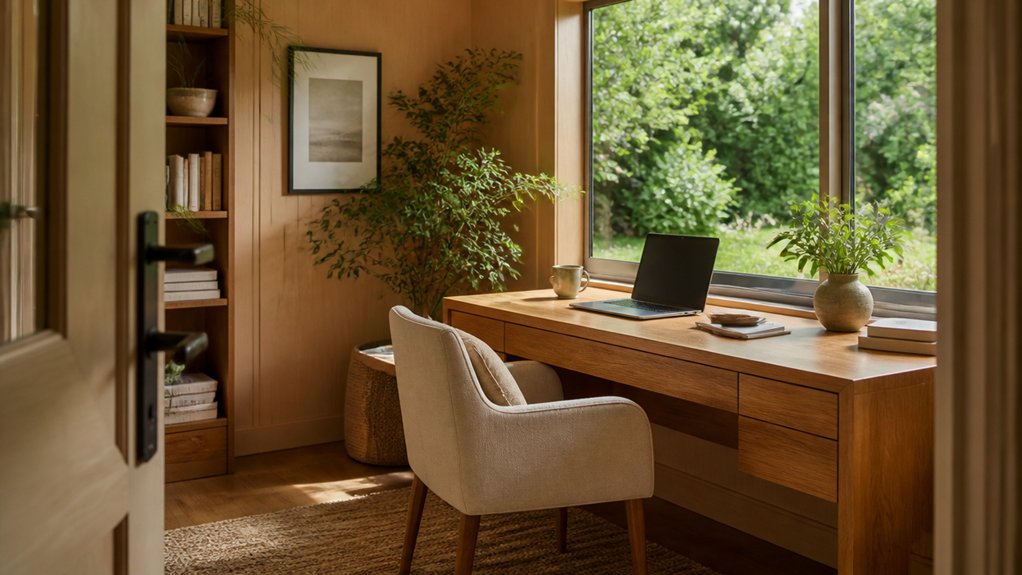
With your layout and utility needs established, arrange the garden office to support focused, reliable work. Position your desk toward a quiet view and away from household traffic. Use shelves or a low cabinet to separate paperwork, calls, and storage, and keep frequently used tools within reach. Clear the main work surface to reduce distractions and make it easier to switch tasks.
Choose muted greens or blues for a calm backdrop, with a small warm accent for energy. Matte finishes can help reduce screen glare. Fit doors, drawers, and trim carefully so they close cleanly and the room stays comfortable to use. A tidy, well-organized workspace helps you settle into focused tasks.
Keep Your Garden Room Office Comfortable Year-Round
A comfortable garden room office depends on steady temperatures, good air quality, and safe access in every season. Fit insulation snugly between wall and roof framing, and seal gaps around doors, windows, and service penetrations to reduce drafts and help keep moisture out. Check seals regularly so small problems don’t disrupt the workspace.
Choose heating based on the room’s size and insulation. Place the heater where heat can circulate without obstructing the desk, walkway, or exit. Follow the heater’s safety instructions, and keep it clear of combustible materials. Use adjustable ventilation to refresh the air while limiting heat loss.
In summer, use blinds or exterior shading to reduce direct sun, and open windows when outdoor conditions allow. Inspect ventilation and window operation as part of routine upkeep. These practical steps help keep the office comfortable and ready for work year-round. If you have a fire pit outside, this is a nice way to end the working day, light it up, grab a drink and relax and unwind.
Budget for Your Garden Room Home Office
Set a budget for the full garden room build, not just the structure. Include site preparation, foundations, insulation, windows and doors, electrical work, heating, interior finishes, delivery, and installation. Request an itemized quote so you can compare what each supplier includes, and set aside a contingency for unexpected site conditions or material cost changes.
To control costs, keep the layout simple, choose standard window and door sizes, and select durable finishes that require little maintenance. Don’t compromise on structural work or weatherproofing; proper installation helps protect the building and its contents. Track changes and approve any added costs before work proceeds to keep the project within budget.
Use Your Garden Office Beyond Work
After the workday, your garden office can serve as a quiet place to review plans, organize maintenance notes, or prepare for the next shift. Keep the transition straightforward: secure work documents and equipment in a closed cabinet, then use adjustable lighting suited to reading or computer work. A sturdy workbench or foldaway table can support equipment checks, small repairs, or project planning without blocking walkways. Add a comfortable chair and shelves for manuals and supplies, and keep floors and surfaces clear to reduce trip hazards.
Build in practical routines, such as reviewing the day’s safety observations, recording maintenance follow-ups, or stretching after desk work. Choose durable, easy-to-clean finishes and store tools and materials safely. For any work-related activity, follow applicable site procedures and current MSHA requirements; check current regulations rather than relying on outdated guidance.
Frequently Asked Questions
Does a Garden Room Home Office Need Planning Permission?
A garden room home office is generally outside the scope of quarry operations, so planning rules for one won’t affect a quarry’s permits or production. If you’re planning a facility or structure at a quarry, check local zoning and permitting requirements, site restrictions, and applicable building and safety codes before work begins. Confirm current MSHA requirements for any workplace-related changes, and coordinate with the relevant authorities and qualified professionals.
Will a Garden Office Affect My Home Insurance?
Yes, a garden office may affect your homeowners insurance. Before construction, contact your insurer and share details about the structure, its estimated value, its contents, and any business use. Ask whether your policy covers the building, equipment, liability, and business activities, and whether coverage limits or exclusions apply. Confirm any local permit requirements, review potential tax implications with a qualified professional, and get the insurer’s coverage decision in writing before work begins.
Can I Claim Tax Relief on a Garden Office?
Tax treatment for a garden office depends on your business use and applicable tax rules. Keep receipts, document the business purpose, and separate personal expenses from business costs. Ask a qualified tax professional to confirm what you can claim.
How Can I Secure a Garden Room Against Theft?
Secure a garden room by reinforcing doors and frames, installing high-security locks, using laminated glass, and protecting hinges against tampering. Add motion-activated lighting, security cameras, and an alarm system. Check these measures regularly, clear areas that could provide cover, and keep valuables out of sight.
Does a Garden Office Add Value to My Property?
A well-built garden office may add value to your property, but the impact depends on local buyer demand and how the space is permitted and maintained. Before building, check local zoning and permit requirements, plan for reliable insulation and electrical work, and choose durable finishes. Ask a local real estate agent how buyers in your area value a garden office.