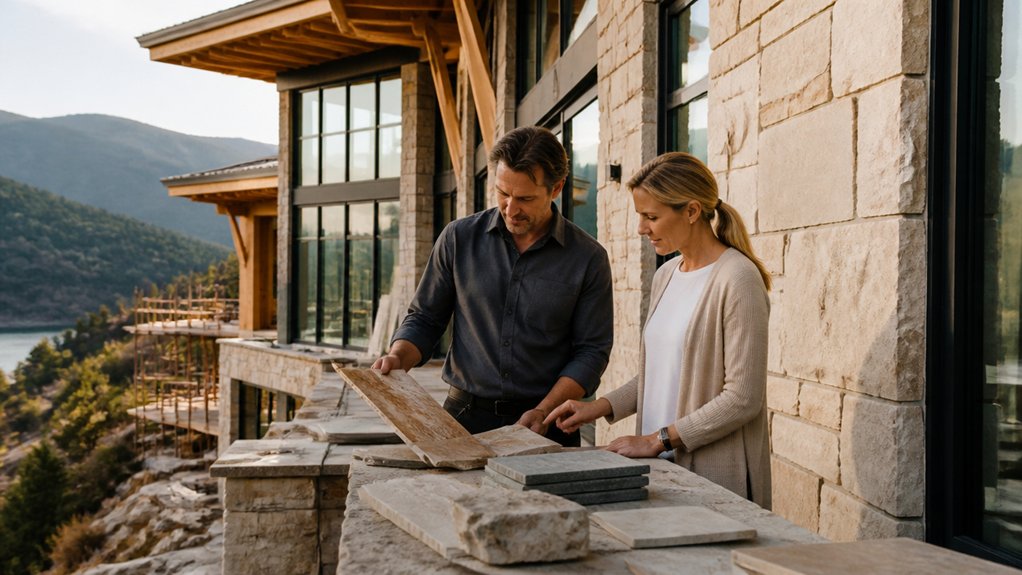
When we plan a high-end custom home with natural stone, we begin with durability, maintenance, budget, and how the materials will work together—not just a striking slab. We match each stone, finish, and location to the architecture, climate, and daily use. In the Mountain West, freeze-thaw cycles, snow and wind exposure, strong UV, and drainage all affect how stone performs. We account for those conditions early, from selecting frost-resistant stone for exterior paving to choosing practical finishes for counters and floors. Our team takes projects from quarry to completion, sourcing and cutting stone, building, and finishing interiors across Wyoming, Montana, Colorado, Idaho, Utah, Nebraska, and South Dakota. Depending on the project, permits, inspections, local codes, and input from licensed professionals such as structural engineers may be required; requirements vary by state and county.
Set Your Natural Stone Priorities
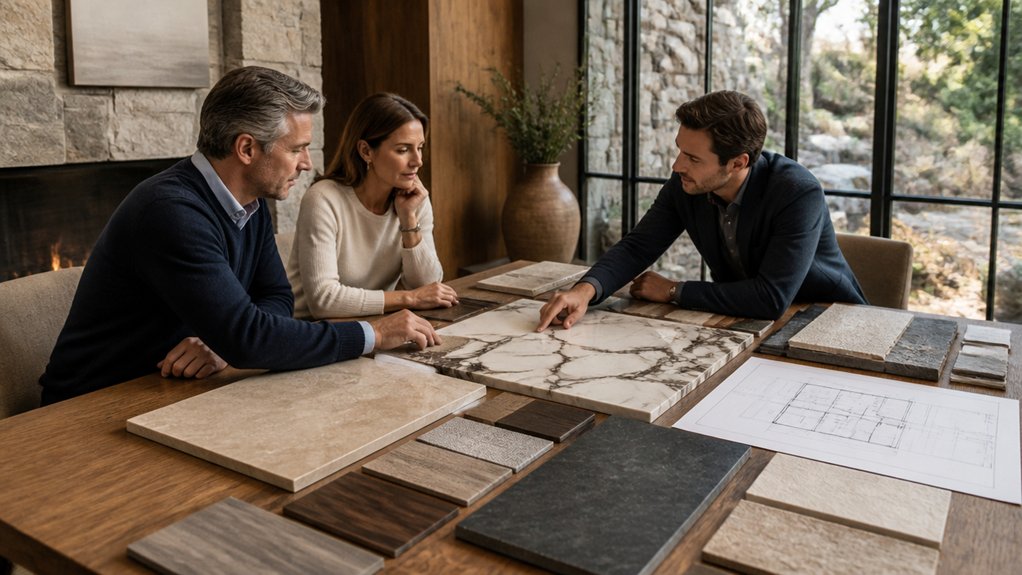
Before we select stone, we define what each surface needs to handle. We help you rank durability, maintenance, budget and visual consistency, then match those priorities to the stone and finish.
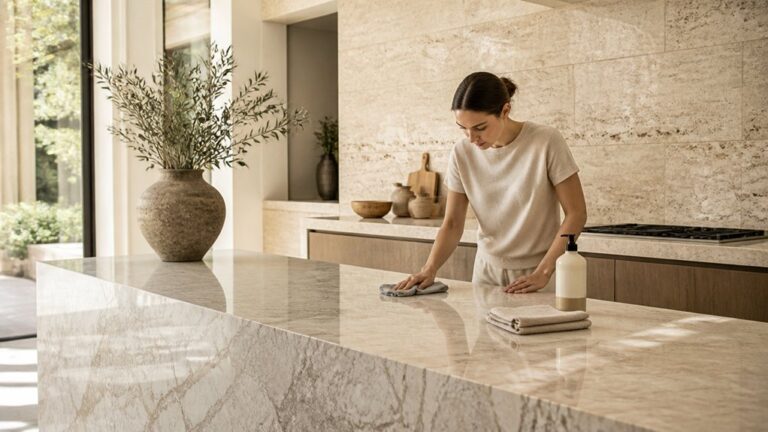
For kitchen counters, we consider stain resistance, heat exposure and how much routine care you’re willing to do. Granite is generally hard-wearing, though its porosity and maintenance needs vary by type. Marble offers distinctive veining but can etch from acids and show wear more readily. In showers, we look closely at porosity, drainage, waterproofing and sealing; stone isn’t a substitute for a properly built waterproof assembly.
We also account for Mountain West conditions. Exterior stone must be suitable for freeze-thaw exposure, and installation details need to manage snow, wind and water. At higher elevations, strong UV can affect some finishes and nearby materials. For exterior walls, steps or other structural work, we coordinate with the project team and confirm whether permits, inspections, local codes or a licensed structural engineer are required. Requirements vary by state and county.
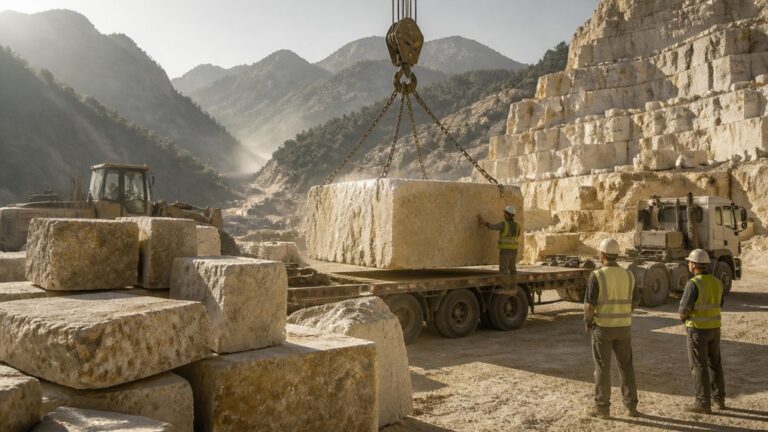
As stone and marble masons based in Casper, Wyoming, we take projects from quarry to completion: sourcing and cutting stone, building, and finishing interiors across Wyoming, Montana, Colorado, Idaho, Utah, Nebraska and South Dakota. We verify quarry origin, available quantities and fabrication yield because they affect material selection, cost and schedule. We also discuss slab thickness, finish, edge details, transport, extraction practices and waste recovery before fabrication. Documenting these requirements early helps us coordinate the stone work with your design and construction teams.
Match Natural Stone to Your Architecture
We match stone color, scale, and finish to your home’s architectural style, then consider how each material will perform in the Mountain West. Granite and some dense limestones handle freeze-thaw exposure well when properly detailed; softer or more porous stones may need careful placement, suitable mortar, and regular sealing. For exterior work, we account for snow, wind, UV exposure, drainage, and the weight of the stone.
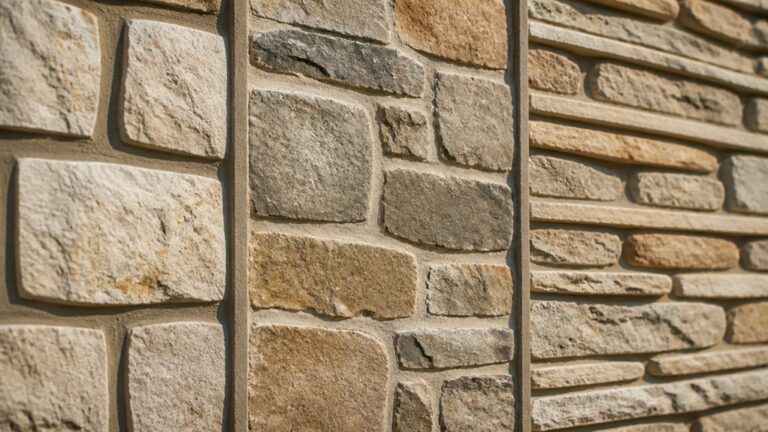
Texture also matters. Pairing a rough split-face surface with honed stone can add contrast, but transitions need consistent joint widths, edge details, and color relationships to keep the design cohesive. We take projects from quarry to completion, sourcing and cutting stone, building the masonry, and finishing interior surfaces. Based in Casper, Wyoming, we serve projects across Wyoming, Montana, Colorado, Idaho, Utah, Nebraska, and South Dakota. Exterior stonework may require permits, inspections, and review by a licensed structural engineer; requirements vary by state and county.
Complement Architectural Style
Natural stone should support your home’s architectural style, not compete with it. Before choosing a stone, we look at the building’s proportions, rooflines, openings, and trim. A formal home often suits carefully cut ashlar, while a rustic design may call for irregular fieldstone. We also match the stone’s scale to the wall: oversized units can overwhelm a delicate façade, while small pieces can look busy across a broad elevation.
Stone type matters, too. Granite is hard-wearing but can be difficult to cut and handle; limestone is easier to shape but may need more care against moisture and freeze-thaw exposure. In Wyoming and the surrounding Mountain West, we consider snow, wind, strong UV, and rapid temperature changes when selecting stone and planning installation. Proper drainage, a suitable setting method, and well-detailed joints help limit water entry and reduce the risk of damage.
We recommend reviewing samples beside your siding, roofing, and trim in natural light. Then we coordinate the joint profile, coursing, and corner details with the home’s geometry. As stone and marble masons based in Casper, Wyoming, we take projects from quarry to completion, including sourcing and cutting stone, construction, and interior finishing.
For larger structural changes, permits, inspections, local codes, or a licensed structural engineer may be required; requirements vary by state and county.
Balance Stone Textures
We match stone texture to the architecture and the conditions each elevation faces. Split-face stone brings depth and casts stronger shadows; sawn or honed surfaces read cleaner and more formal. The right choice depends on the stone, the home’s lines, and how much visual weight the wall can carry.
In the Mountain West, consider how changing light, wind, snow, and freeze-thaw cycles affect both appearance and performance. Rough surfaces can hold dust or snow in their recesses, while smoother finishes may show water marks or scratches more clearly. Stone type, detailing, and exposure all matter, so we review samples on site rather than relying on small indoor samples.
To keep a pronounced wall finish from overwhelming the façade, pair it with restrained trim or smoother stone at entries and corners. Before installation, we confirm joint depth, coursing, edge details, and how the finish meets adjacent materials. As a stone and marble masonry team based in Casper, Wyoming, we take projects from quarry to completion—from sourcing and cutting stone through construction and interior finishing. Our work spans Wyoming, Montana, Colorado, Idaho, Utah, Nebraska, and South Dakota. We coordinate with the project team to address applicable local codes and inspections; requirements vary by state and county.
Choose Stone by Room, Surface, and Performance
A stone that performs well in one room may not suit another. We select each slab for its location, finish, and intended use, then confirm that the installation is properly supported and detailed.
For kitchen counters, granite and some quartzites generally handle heat and abrasion well, while marble is more vulnerable to acids and etching. No natural stone is completely stainproof, so we check porosity, finish, and sealing needs before fabrication. Use cutting boards and trivets, and clean spills promptly.
In bathrooms, consider water absorption, cleaning requirements, and slip resistance. Honed or textured stone can provide better footing than a polished surface, especially on floors. We also plan for drainage, waterproofing, and suitable grout and setting materials.
Entryways and other high-traffic areas need stone that can withstand abrasion, tracked-in grit, and winter moisture. In the Mountain West, freeze-thaw exposure matters wherever stone is installed outdoors or near an entrance. We account for snow, wind, UV exposure, and local conditions when choosing stone and detailing joints, drainage, and support.
We match slab thickness, edge profile, substrate, and installation method to the application, and coordinate with the fabricator and other trades. As stone and marble masons based in Casper, Wyoming, we take projects from quarry to completion—sourcing and cutting stone, building, and finishing interiors across Wyoming, Montana, Colorado, Idaho, Utah, Nebraska, and South Dakota. Before choosing a stone, consider its maintenance routine, sealing requirements, and expected wear. Permits, inspections, local codes, or a licensed structural engineer may be required; requirements vary by state and county.
Pair Stone With Finishes and Fixtures
We pair stone with finishes and fixtures by coordinating undertones, sheen, and visual weight—not by matching every surface. We read the slab in the light where it will be installed: warm veining may work well with bronze hardware or oak, while cool gray stone can pair with nickel and painted cabinetry. Before finalizing selections, we place physical samples beside the stone and check them in daylight and under task lighting.
We also consider how surfaces will look and perform together. Polished stone reflects light and can show fingerprints or water spots; quieter textures help balance that shine. Honed stone softens reflections and can temper polished metal or glass, though its care needs vary by stone. For fixtures, we check scale, edge profiles, mounting details, and installation clearances before fabrication. We plan joints, transitions, and sightlines deliberately so the finished work fits the space and holds up to daily use.
Budget and Source Natural Stone
We set stone allowances around the finished scope, not just the quoted material price. Cost depends on the stone species and grade, slab thickness, finish, fabrication, layout, and how much material the design requires. Some stones have more natural variation or fissures, which can affect usable yield and fabrication. Add freight, taxes, unloading and slab handling, and a contingency for defects or areas that can’t be used.
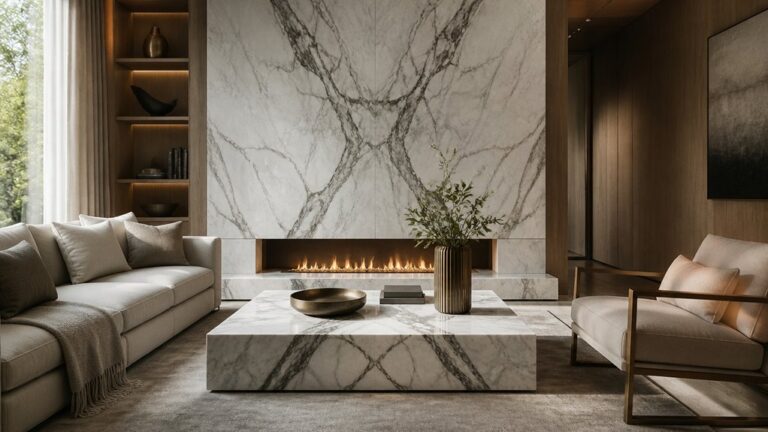
We source and cut stone as part of our work from quarry to completion. Before you commit, we review full slabs in person under consistent lighting, checking color variation, veining, fissures, and resin repairs. We also confirm the quarry, lot, available quantity, slab dimensions, fabrication standards, and supplier policies for damaged or replacement material. These details matter when a project needs matching pieces or continuous veining across a counter, fireplace, or other surface.
The stone’s intended use should guide the selection. For exterior work in Wyoming and the Mountain West, ask how the specific stone performs with freeze-thaw cycles, snow, wind, altitude, and strong UV exposure. Porosity, finish, thickness, drainage, and installation details all affect durability and maintenance. We tie approved samples and slab selections to the drawings so the homeowner, architect, builder, and fabrication team are working from the same choice. Depending on the project, permits, inspections, local codes, or review by a licensed professional such as a structural engineer may be required; requirements vary by state and county.
Schedule Stone Fabrication and Installation
Once you approve the stone and confirm quantities, we schedule fabrication around verified field dimensions and your project’s construction sequence. We template only after cabinets, framing, and substrates are installed and within the required tolerances. Measuring too early can lead to inaccurate cuts, costly remakes, and delays.
We coordinate slab selection, cut layout, edge profiles, seam locations, shop capacity, and approval deadlines with you and your fabricator. Natural stone varies from slab to slab, so review the actual material and approved layout before cutting. We also plan delivery and installation around site access, finished surfaces, and other trades. In the Mountain West, snow, wind, and freeze-thaw conditions can affect delivery access and exterior installation timing.
Before setting each piece, we compare it with the approved drawings and check that supports and substrates are ready for the stone’s weight. After installation, protect the surface from dust, impact, and cleaners that aren’t suitable for its stone type. Clear coordination helps us take your project from quarry to completion with fewer avoidable delays.
Frequently Asked Questions
How Can Natural Stone Affect Indoor Air Quality?
Natural stone generally releases few emissions, making it a sound choice for indoor air quality. We still pay close attention to porous stones, which may need sealing to limit moisture and staining. During installation, we control cutting and grinding dust and use compatible, low-emission adhesives, grouts, sealers, and cleaners. Good ventilation during installation and proper maintenance help keep indoor air cleaner over time.
Does Natural Stone Require Special Care Around Children and Pets?
Natural stone can be a practical choice for homes with children and pets, but the right care depends on the stone and finish. We recommend sealing porous materials such as marble, limestone and some granites when appropriate, then following the sealer manufacturer’s guidance for reapplication. Wipe up spills promptly, especially acidic liquids such as citrus juice, which can etch marble and limestone. Use a pH-neutral cleaner made for natural stone; harsh or acidic products can damage the surface.
For floors and steps, consider a honed or textured finish for better traction, and specify eased or rounded exposed edges where sharp corners could be a concern. In our Mountain West climate, entryways also need to handle tracked-in snow, grit and deicing salts. Use mats, clean up meltwater, and choose stone and installation details suited to freeze-thaw exposure where the surface is exposed to the weather. For pet-friendly maintenance, keep nails trimmed and wipe paws before they bring in grit.
Can Natural Stone Be Repaired if It Chips or Cracks?
Yes, we can often repair chipped or cracked natural stone, but the right method depends on the stone, the damage, and its location. Granite and quartzite are hard and dense; marble and limestone are softer and may show repairs or take on color differently. We assess whether the stone can be filled, bonded, and color-matched, and whether the damage points to a larger issue such as movement or water intrusion. In the Mountain West, freeze-thaw cycles can worsen cracks, so the repair should address moisture exposure as well as appearance. Repair is not always practical; for structural damage or a failed installation, replacement may be the better option. As stone and marble masons based in Casper, Wyoming, we take projects from quarry to completion across Wyoming, Montana, Colorado, Idaho, Utah, Nebraska, and South Dakota.
How Does Natural Stone Age and Develop Patina Over Time?
Natural stone develops patina as minerals respond to sunlight, moisture, weather, and everyday use. The changes depend on the stone: limestone and marble can etch or mellow, while granite often holds its color and texture more consistently. In Wyoming and across the Mountain West, strong UV, wind, snow, and freeze-thaw cycles can speed weathering, especially where water collects in joints.
We help guide that change through suitable stone selection, sound installation, and practical maintenance. Reclaimed stone can work well when its condition and intended use are carefully assessed. Sealers may reduce staining and moisture absorption, but they do not stop aging; choose products appropriate for the stone and location, and follow the manufacturer’s ventilation guidance during application.
Is Reclaimed Natural Stone Suitable for a Custom Home?
Yes, reclaimed natural stone can work well in a custom home when we verify its source, dimensions, and condition before installation. We inspect each piece for cracks, weathering, and signs of previous repairs, then plan for consistent sizing and sound anchorage. Reclaimed stone can reduce demand for newly quarried material, but it may require extra sorting, cutting, and fitting.
In the Mountain West, we also consider freeze-thaw exposure, snow loads, wind, UV, and local elevation when selecting stone and detailing the assembly. Proper drainage, flashing, mortar, and installation are essential outdoors. We take projects from quarry to completion, including stone sourcing and cutting, construction, and interior finishes. Permit, inspection, and code requirements vary by state and county; structural work may require a licensed professional.