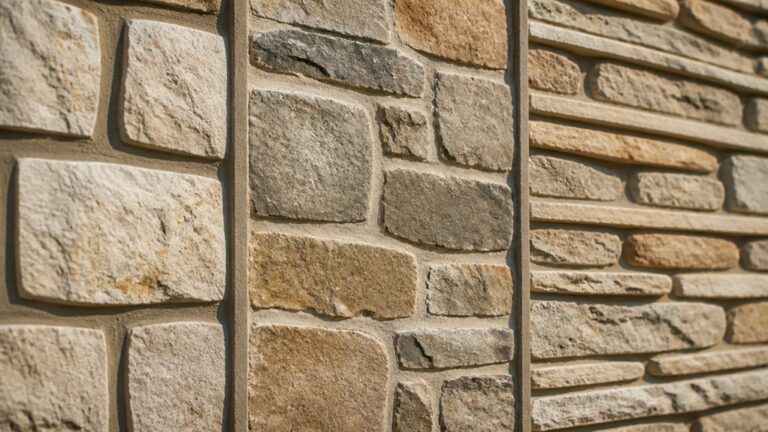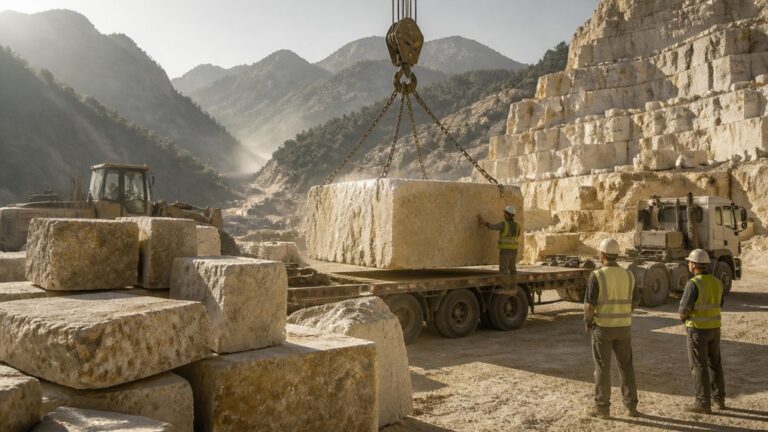
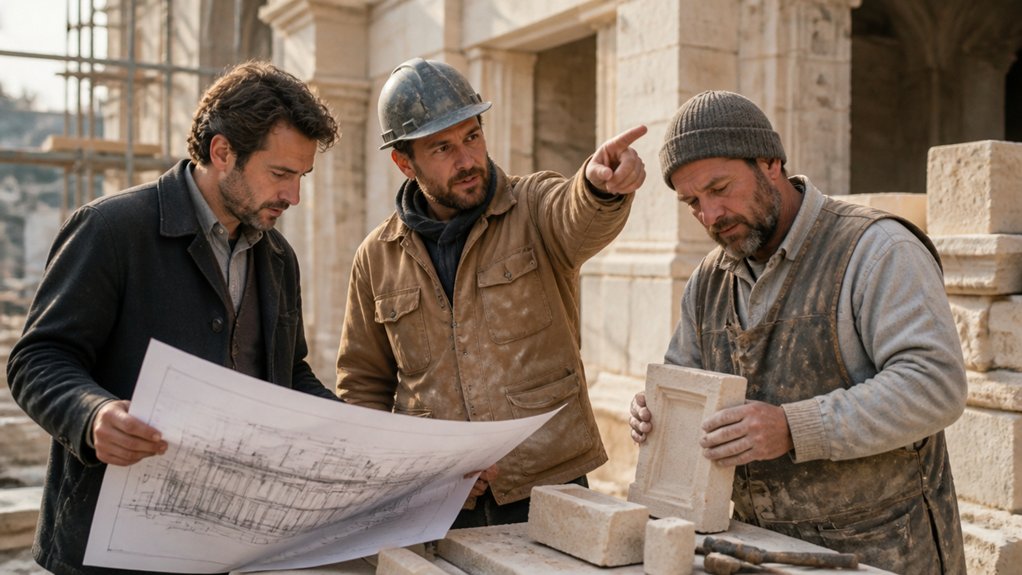
We bring your architect, builder, and stonemason together before the plans are fixed. As a Casper-based stone and marble masonry team, we coordinate stone selection, detailing, installation methods, and budget while changes are still practical. We can take the work from quarry to completion, including sourcing and cutting stone, building, and finishing interiors.
Early coordination matters in the Mountain West. Freeze-thaw cycles, snow load, wind, altitude, and strong UV can affect stone choice, anchoring, drainage, and joint details. We organize shared drawings, site preparation, decision-making, and updates so the team can catch conflicts before they reach the job site. Permit, inspection, and code requirements vary by state and county; some work may also require a licensed professional, such as a structural engineer.
Bring Your Architect, Builder, and Stonemason Together Early
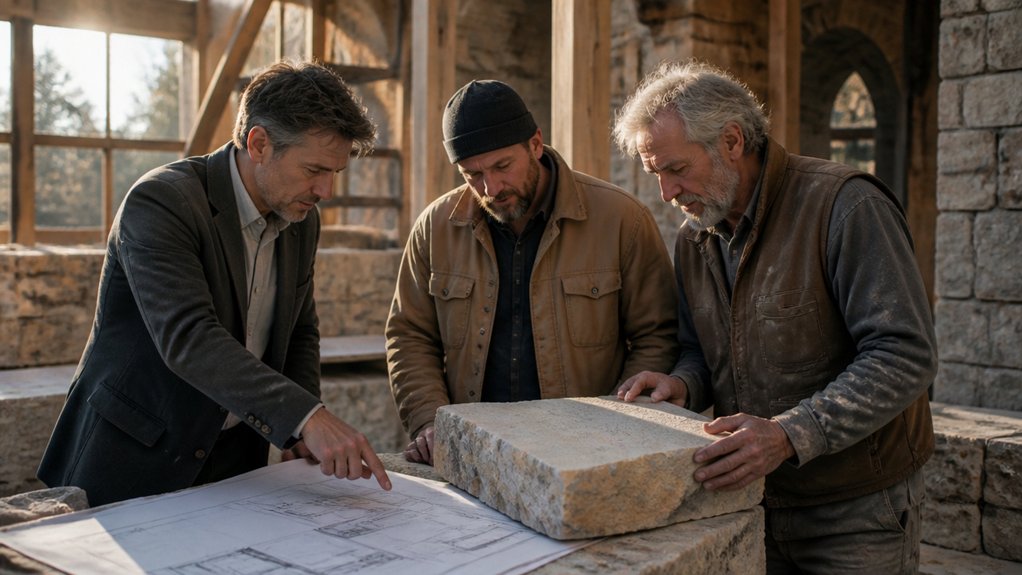
Bring your architect, builder, and stonemason into the conversation before the plans are fixed and costs are committed. We work with stone from quarry to completion—sourcing and cutting it, building with it, and finishing interiors—so we can flag material and installation issues while the design can still be adjusted.
Bring your architect, builder, and stonemason together early to address stone choices and installation challenges before plans and costs are set.
Start by matching the stone to the design and site. We can review quarry availability, color and finish options, and how a stone is likely to behave in a Mountain West climate. For example, freeze-thaw exposure, snow and water runoff, strong UV, and wind can affect stone selection, detailing, and maintenance. The right choice also depends on where the stone will be used and how it will be installed.
Ask your builder to review access, sequencing, equipment needs, and site logistics. Stone weight and handling requirements can affect structural details, delivery plans, and installation methods. These factors, along with stone type, finish, cutting, and site conditions, shape the cost; early coordination helps identify them before they lead to avoidable revisions.
Set a clear process for sharing drawings, samples, and technical questions. We recommend reviewing key details together, including transitions, drainage, joints, and exposed edges. Permits, inspections, local building codes, and input from licensed professionals such as structural engineers may be required; requirements vary by state and county. Early collaboration helps the team refine the design around the material and site before work begins.
Agree on Roles, Budget, and Decision-Makers
Before work begins, we help clarify who owns each decision, how changes will be approved, and who’ll track the budget. Clear roles let the architect, builder, and stone mason move work forward without duplicating effort or making assumptions.
- The architect leads design decisions and explains how choices such as stone type, thickness, finish, and layout affect cost and installation.
- The builder coordinates site work, schedules, and cost updates, including the timing of stone deliveries and other trades.
- We advise on stone selection, fabrication, labor, and installation. Different stones respond differently to freeze-thaw cycles, snow, wind, and UV exposure, so we identify practical options for the project’s location and use.
- You approve major changes and keep spending aligned with your priorities.
Name one contact for questions, set approval limits for minor adjustments, and record decisions in writing. Also agree on who’ll confirm that the design meets applicable permit, inspection, and local code requirements; those requirements vary by state and county, and a licensed structural engineer may be needed. This process keeps decisions clear and helps coordinate the work from stone sourcing and cutting through construction and interior finishing.
Coordinate Stone Choices, Drawings, and Site Prep
We coordinate stone selections with the drawings and site conditions before work begins. We review samples for color, texture, thickness, and finish, then consider how each stone will perform in its intended location. Dense, low-absorption stone is often a practical choice outdoors in the Mountain West, where freeze-thaw cycles, snow, wind, and strong UV can affect both the stone and its finish. We also check how the material will be cut, supported, and installed; natural variation and fabrication limits can affect dimensions and layout.
We confirm details with your architect and builder, and we plan sourcing and cutting early so availability and lead times are part of the decision. Before installation, we verify the layout, elevations, drainage, clearances, and finished grades in the field. Proper drainage and a stable base help limit water intrusion and movement during freeze-thaw cycles. We take projects from quarry to completion, coordinating stone selection, fabrication, construction, and interior finishing. Permits, inspections, local codes, and input from licensed professionals such as a structural engineer may be required; requirements vary by state and county.
Track Decisions, Communication, and Schedule Changes
Keep decisions moving by recording approvals, open questions, and schedule changes in one shared log. We coordinate stone sourcing, cutting, construction, and interior finishing from quarry to completion, so a clear record helps our masons, your architect, and your builder stay aligned as the work advances.
Record approvals, open questions, and schedule changes in one shared log to keep every trade aligned from quarry to completion.
- Date each approval and identify the drawing, stone sample, finish, or installation detail it covers. For stone, record the material and finish clearly; granite, limestone, and marble can differ in porosity, color variation, and maintenance needs.
- Assign each open question to one person and set a response deadline. Include decisions that could affect stone selection, fabrication, structural support, or installation.
- Record schedule changes, affected tasks, and who needs the update. Note weather-sensitive exterior work, since cold temperatures, wind, snow, and freeze-thaw conditions can affect installation timing and curing.
- Review the log together at weekly check-ins. Confirm decisions, owners, deadlines, and next steps, and update the record promptly when plans change.
A reliable log gives each trade a current reference, reduces crossed messages, and helps everyone plan around agreed choices and dates. For exterior stonework in the Mountain West, also confirm that the design and installation account for local climate and site conditions, including snow loads, UV exposure, and freeze-thaw cycles. Permits, inspections, local building codes, and licensed professionals such as structural engineers may be required; requirements vary by state and county.
Solve Stonework and Construction Problems Together
When a stonework or construction issue comes up, we bring the homeowner, architect, builder, and our masonry team together to understand the cause before changing the work. We review the drawings, site conditions, stone selection, installation records, and any signs of movement or water entry. In Wyoming and across the Mountain West, freeze-thaw cycles, snow loads, wind, and strong UV exposure can all affect how stone and mortar perform.
We assess the stone, joints, flashing, drainage, and supporting structure, then recommend a repair that suits the material and preserves both appearance and performance. For example, porous stone may absorb more water and need careful protection from moisture, while denser stone can still crack if it’s poorly supported or installed with unsuitable mortar. We also check how the repair will tie into adjacent work and allow for seasonal movement.
Before work begins, we review safety, cost factors, schedule, and any effects on nearby construction. Structural concerns may require a licensed engineer, and permits or inspections may be required depending on local codes and the state or county. We document the agreed solution, assign responsibilities, and confirm inspection points so the repair is sound from quarry to completion.
Frequently Asked Questions
How Do I Choose an Architect, Builder, and Stonemason for My Project?
Choose an architect, builder, and stonemason who can work together from the start. Review each professional’s relevant projects, references, scope of work, and communication practices. Ask how the team will handle drawings, scheduling, site conditions, material selection, and changes during construction.
For stonework, check that the mason has experience with your chosen material and understands how it performs in a Mountain West climate. Granite is generally hard-wearing, while softer stones may need more protection from moisture and abrasion. In any material, sound installation matters: freeze-thaw cycles, snow load, wind, altitude, and strong UV can affect stone, mortar, flashing, and sealers. Ask about drainage, movement joints, anchoring, and maintenance before work begins.
We’re Bluestone Masonry & Construction, stone and marble masons based in Casper, Wyoming. Since 2013, we’ve taken projects from quarry to completion across Wyoming, Montana, Colorado, Idaho, Utah, Nebraska, and South Dakota—sourcing and cutting stone, building, and finishing interiors. Before signing, confirm who is responsible for design coordination, permits, inspections, and construction details. Local requirements vary by state and county, and a structural engineer or other licensed professional may be required.
What Qualifications Should I Look for in a Stonemason?
When hiring a stonemason, look for proven experience with the type of stone and work your project requires, whether that’s exterior masonry, structural stonework, or interior finishes. Ask to see examples of comparable projects and speak with references. A qualified mason should explain how they select, cut, set, and finish stone—not just show you the finished surface.
Ask where the stone comes from and how it behaves in your climate. Granite is generally hard-wearing, while some limestones and sandstones are more porous and may need careful detailing or maintenance. In Wyoming and the surrounding Mountain West, freeze-thaw cycles, snow, wind, strong UV, and high-altitude conditions make drainage, flashing, mortar selection, anchoring, and proper installation especially important. For exterior work, ask how the design will manage water and snow loads.
We recommend checking safety practices, relevant training or certifications, insurance, and the mason’s ability to coordinate with your architect and builder. Permits, inspections, local codes, and licensed professionals such as structural engineers may be required; requirements vary by state and county.
At Bluestone Masonry & Construction, we’re stone and marble masons based in Casper, Wyoming. Since 2013, we’ve handled high-end construction across Wyoming, Montana, Colorado, Idaho, Utah, Nebraska, and South Dakota, taking projects from quarry to completion—from sourcing and cutting stone to building and finishing interiors.
When Should I Hire Each Professional?
Hire your architect first to develop the plans and circulation. Bring in your builder early to review feasibility, sequencing, and budget factors. We recommend involving your stonemason before you finalize stone selections. We can help assess how materials such as granite, limestone, and marble will perform in your design, then coordinate sourcing, cutting, support details, and installation. In the Mountain West, account for freeze-thaw, snow loads, wind, and UV exposure when choosing stone and finishes. Permit, inspection, and code requirements vary by state and county, and some work may require a licensed professional, such as a structural engineer.
Can One Company Provide Architectural, Building, and Stonemasonry Services?
Yes. We’re Bluestone Masonry & Construction, a Casper, Wyoming, team of stone and marble masons founded in 2013. We coordinate architectural planning, building, and stonemasonry, taking projects from quarry to completion: sourcing and cutting stone, constructing the project, and finishing interiors. We work across Wyoming, Montana, Colorado, Idaho, Utah, Nebraska, and South Dakota.
Before signing a contract, ask how the team will coordinate design and construction, confirm that the stone suits the project and local climate, and manage quality, costs, and schedule. In the Mountain West, freeze-thaw cycles, snow loads, wind, altitude, and strong UV can affect stone selection, detailing, installation, and maintenance. Permits, inspections, local codes, and licensed professionals such as structural engineers may be required; requirements vary by state and county.
What Insurance Should These Professionals Carry?
What insurance should these professionals carry?
As stone and marble masons working across Wyoming, Montana, Colorado, Idaho, Utah, Nebraska, and South Dakota, we carry insurance suited to the work and the places where we build. Coverage needs vary by state, county, contract, and project scope, so confirm requirements with your broker before work begins.
For masonry and construction projects, the policies to review typically include:
- General liability: Helps cover claims involving property damage or bodily injury connected to our work. This matters on active jobsites, where stone handling, cutting, and installation can affect surrounding property.
- Workers’ compensation: Covers eligible work-related injuries to employees. Requirements vary by state and may depend on the size and structure of the business.
- Commercial auto and equipment coverage: May be needed for work vehicles, stone-cutting equipment, tools, and materials in transit.
- Contractor or builders risk coverage: May help protect a project or materials during construction, depending on the policy and contract.
- Professional liability: May be relevant when a contractor provides design, specification, or consulting services in addition to installation.
Before signing a contract, check policy limits, exclusions, subcontractor requirements, and whether coverage applies across state lines. Confirm who is responsible for insuring the building, stored stone, and work in progress. Insurance does not replace permits, inspections, code compliance, or the involvement of licensed professionals such as structural engineers when required.